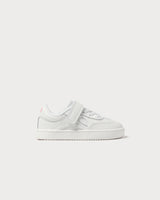
Seeing a child walk with their feet turned inwards can raise plenty of questions. Sometimes it is noticeable from the very first steps, while at other times it shows up more when running, when tired or when walking barefoot around the house.
In many cases, this way of walking falls within the normal development of a child's gait. A child's foot is not a small adult foot: it is growing, adapting and learning to coordinate with the rest of the body.
That is why, before thinking about correcting anything, it is worth observing. Not every child who turns their feet inwards when walking needs treatment, but there are signs that help you know when to seek advice.
What walking with the feet turned inwards means
Walking with the feet turned inwards means that, when moving forward, one or both feet point towards the body's midline instead of facing straight ahead. This is usually called in-toeing gait or, more colloquially, "turning the feet inwards when walking".
Although it may visually look like a foot problem, the origin is often not only there. The orientation of the foot when walking can depend on the position of the hip, the femur, the tibia or the shape of the foot itself.
That is why it is important to look at the child as a whole: how they walk, how they run, how they sit, whether they trip, whether there is pain and whether the gait changes as they grow.
3 main causes why a child turns their feet inwards when walking
An in-toeing gait can have different causes. Some are common during childhood and tend to improve gradually.
1. Femoral anteversion
Femoral anteversion occurs when the femur has an orientation that is rotated more towards the front. This can make the knees and feet point inwards when walking or running.
It is often seen in children who also tend to sit in a "W" position or who run with their legs turned slightly inwards. In many cases it is part of normal development and changes as the child grows.
2. Internal tibial torsion
Internal tibial torsion appears when the tibia has an inward rotation. In these cases, the foot may appear to turn inwards even though the hip is properly aligned.
It is fairly common in young children and usually improves during the first few years, as the gait becomes more stable and mature.
3. Metatarsus adductus
Metatarsus adductus affects the shape of the foot. The front part of the foot curves inwards, as if the forefoot were facing towards the midline.
It can be flexible or more rigid. When the foot is flexible and moves well, it often only requires observation. If the deviation is marked, rigid or does not improve, it is worth having it assessed.
Is it normal for a child to walk with their feet turned inwards?
In many cases, yes, it can be normal. Especially if the child has no pain, plays normally, does not avoid walking and the gait is gradually improving.
A child's gait does not appear mature from day one. When a child starts to walk, they are still developing balance, strength, coordination and movement control.
That is why, during the first few years, patterns that catch your attention may appear: feet turned inwards, feet turned outwards, unsteady steps, a wide base of support or frequent falls in the early stages.
What matters is not just how the feet look, but how the child functions in their day-to-day life.
At what age does it correct itself?
It depends on the cause and on each child. Not all in-toeing comes from the same place or develops at the same pace.
By around 3-4 years of age the gait usually looks more like that of an adult, although some aspects such as coordination, stride length, efficiency and control keep maturing for longer, roughly up to the age of 7.
Internal tibial torsion usually improves during the first years of childhood. Femoral anteversion may remain visible for longer, especially when running or sitting, and tends to reduce gradually as the child grows.
That is why it is not advisable to set an exact age as a rigid limit. It is more useful to observe whether the gait improves, whether the child gains confidence, whether they trip less and whether any discomfort appears.
7 signs to know when to consult a specialist

Although walking with the feet turned inwards is usually common in childhood, there are signs worth reviewing.
Consult a paediatric podiatrist, paediatrician or specialist if:
1. There is pain when walking, running or playing
Pain should not be treated as normal. If the child complains of discomfort in the feet, legs, knees or hips, it is worth having it assessed.
2. A limp appears
A clearly irregular gait, especially if it appears suddenly or persists, needs to be reviewed.
3. They fall or trip a lot
It is normal for young children to fall while they are learning, but if the falls are very frequent or interfere with play, it is worth observing.
4. They only turn one foot inwards
When the in-toeing is very marked on just one side, it is advisable to assess whether there is any asymmetry.
5. The gait gets worse over time
If, instead of improving, the child turns their feet inwards more and more or walks worse, it is best to seek advice.
6. There is stiffness in the foot or difficulty moving it
A flexible foot is usually less of a concern than a rigid, painful foot or one with limited mobility.
7. They avoid walking or often ask to be carried
If the child avoids moving, tires easily or refuses to walk, there may be something more than a simple developmental stage.
3 common treatments: do orthopaedic shoes help?

For a long time, rigid shoes or insoles have been used with the idea of correcting feet that turn inwards. But not every case needs that kind of intervention.
If the cause lies in the hip or the tibia, a rigid shoe does not change the rotation of the bone. It may change how the foot looks while the child is wearing it, but it does not always correct the origin of the pattern.
1. Observation and follow-up
In many cases, the first treatment is to observe how things develop. If the child has no pain, plays normally and the gait gradually improves, they may only need follow-up.
Observing does not mean doing nothing. It means respecting the timing of development and reviewing whether any significant changes appear.
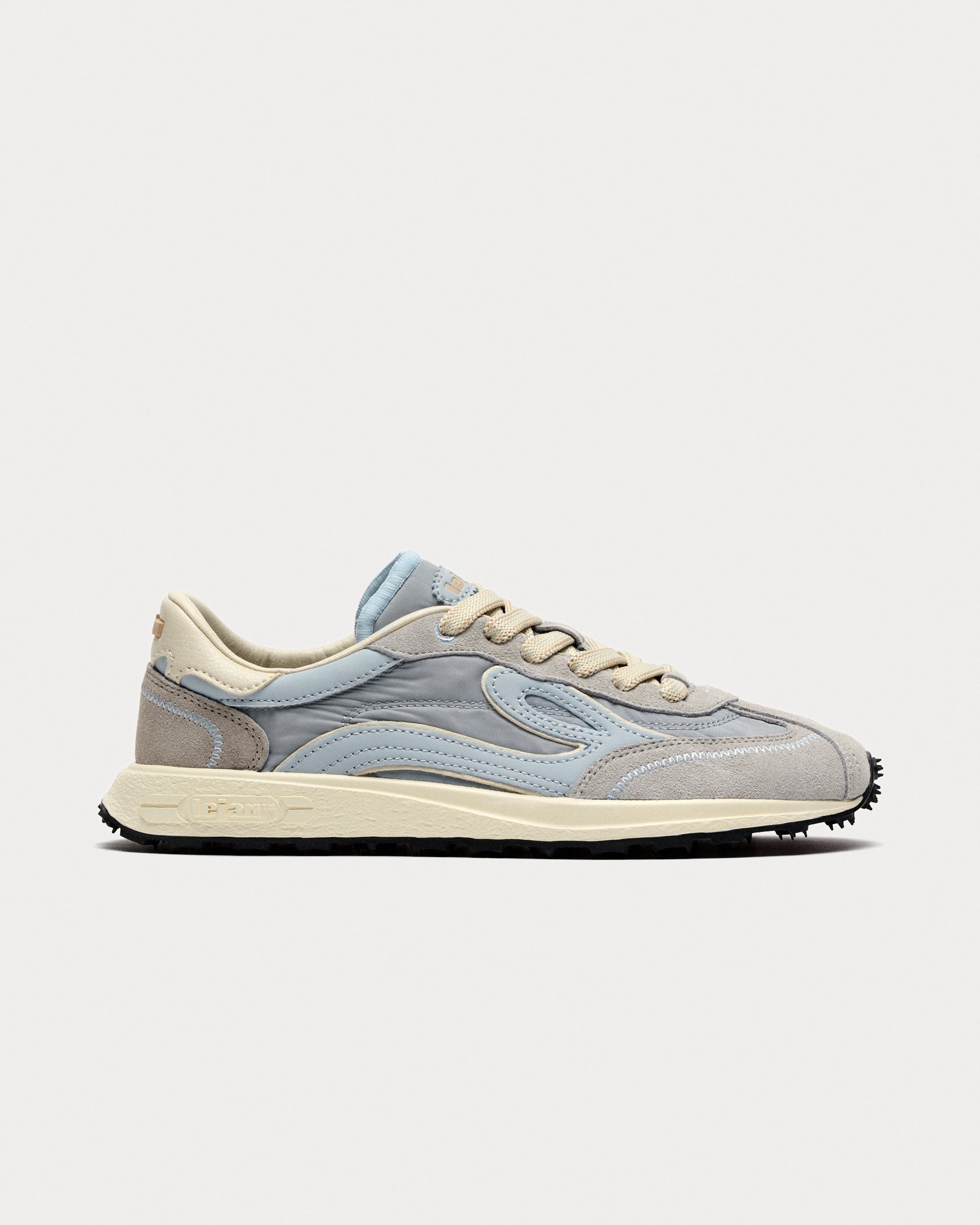
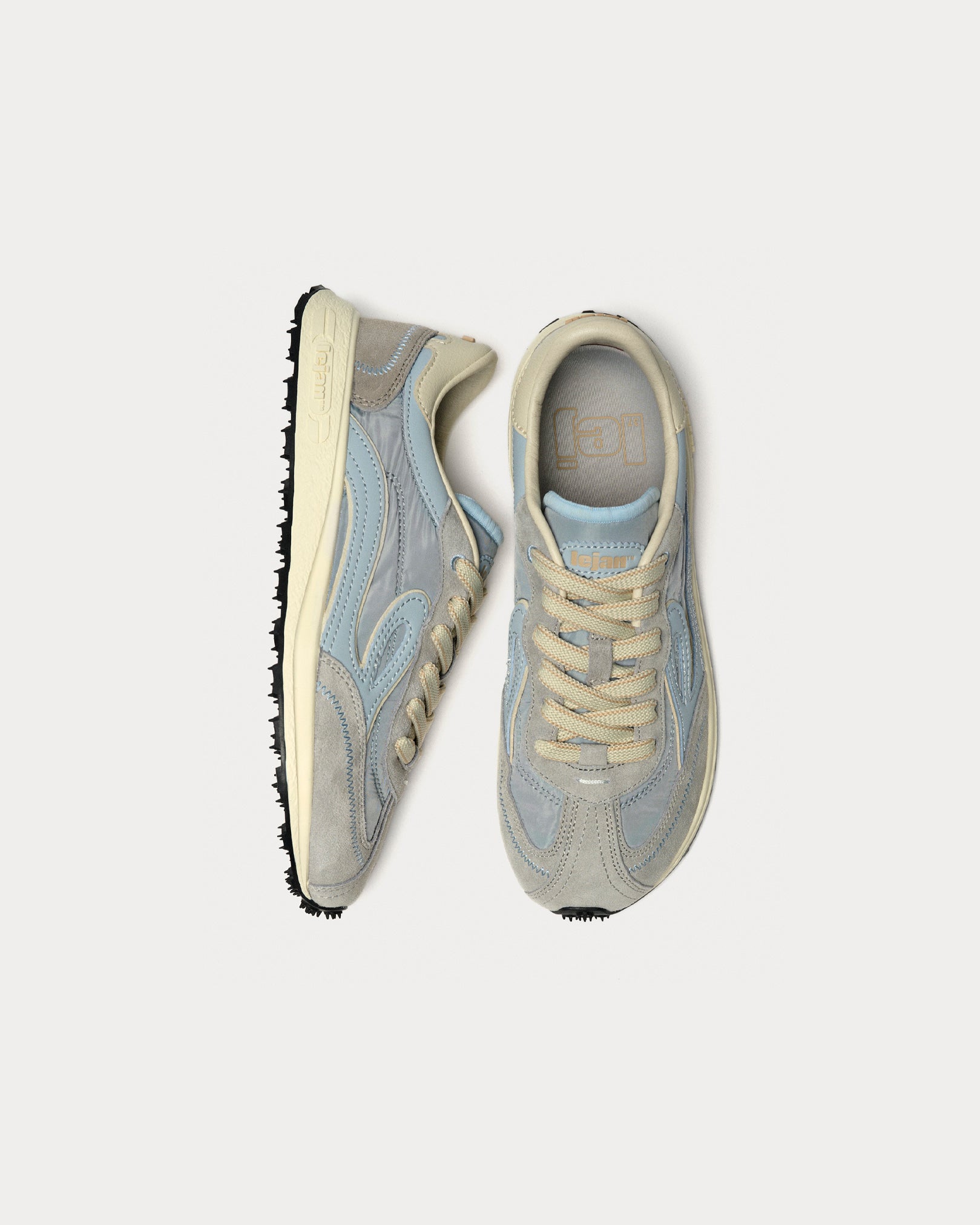
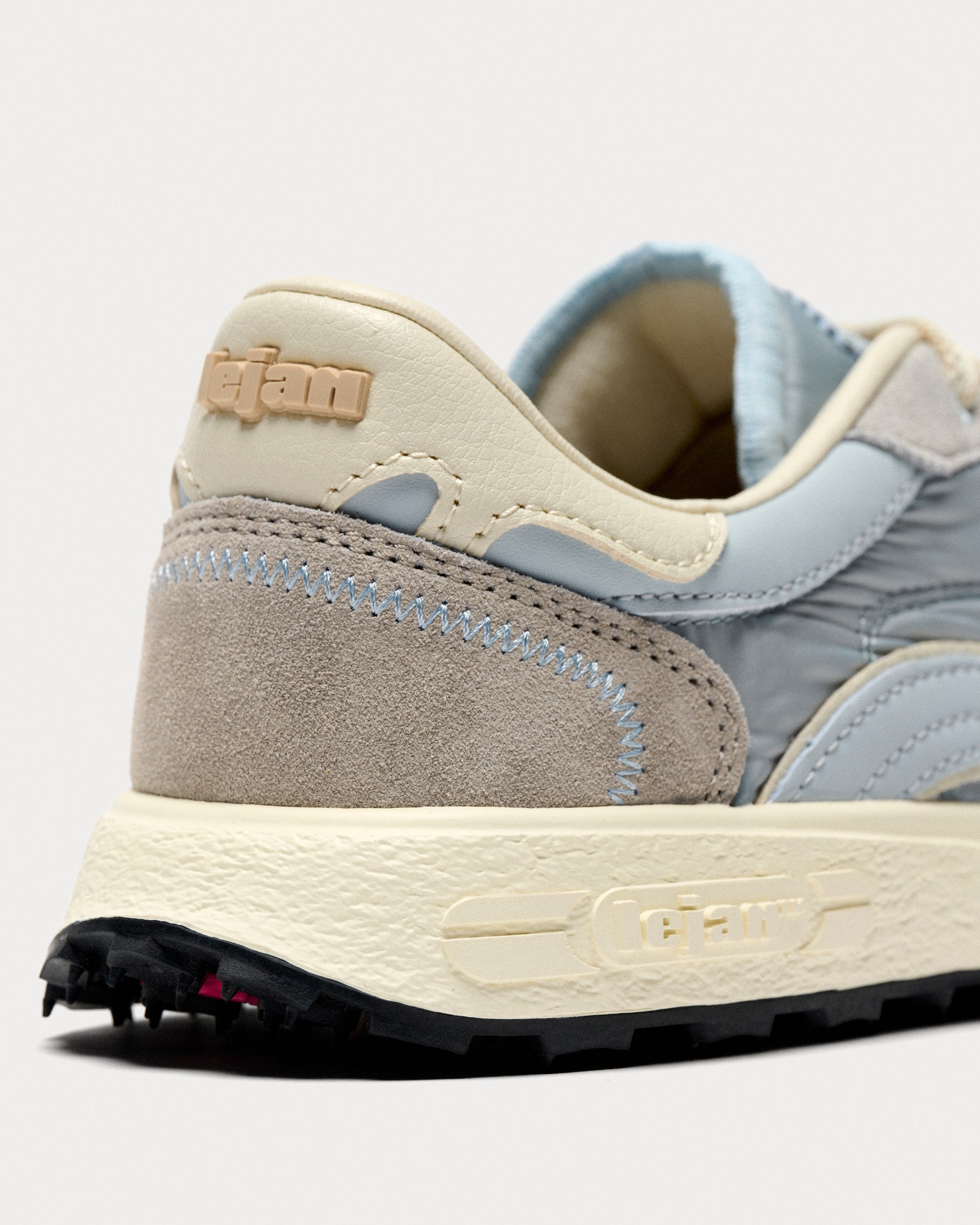
2. Respectful footwear without unnecessary stiffness
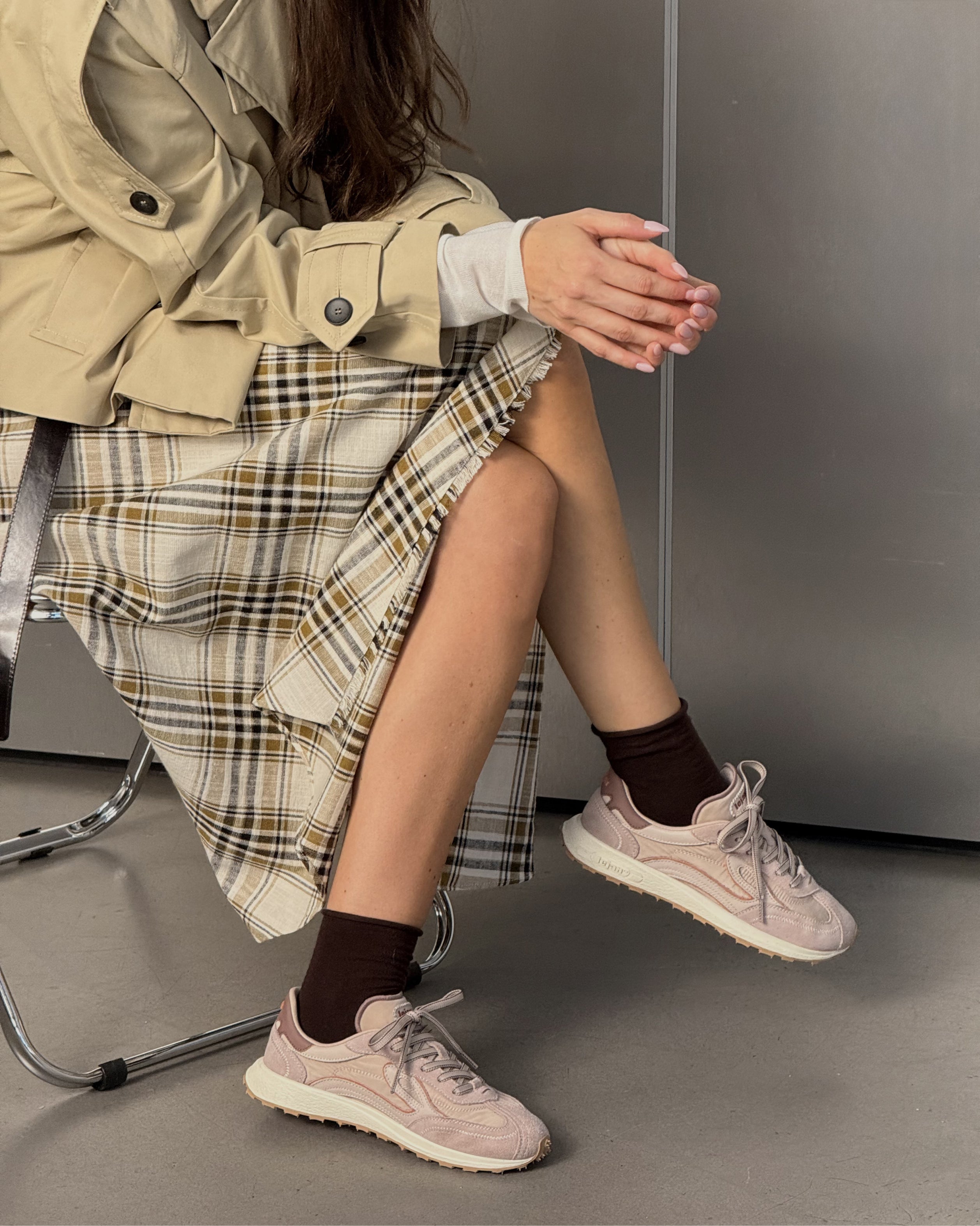
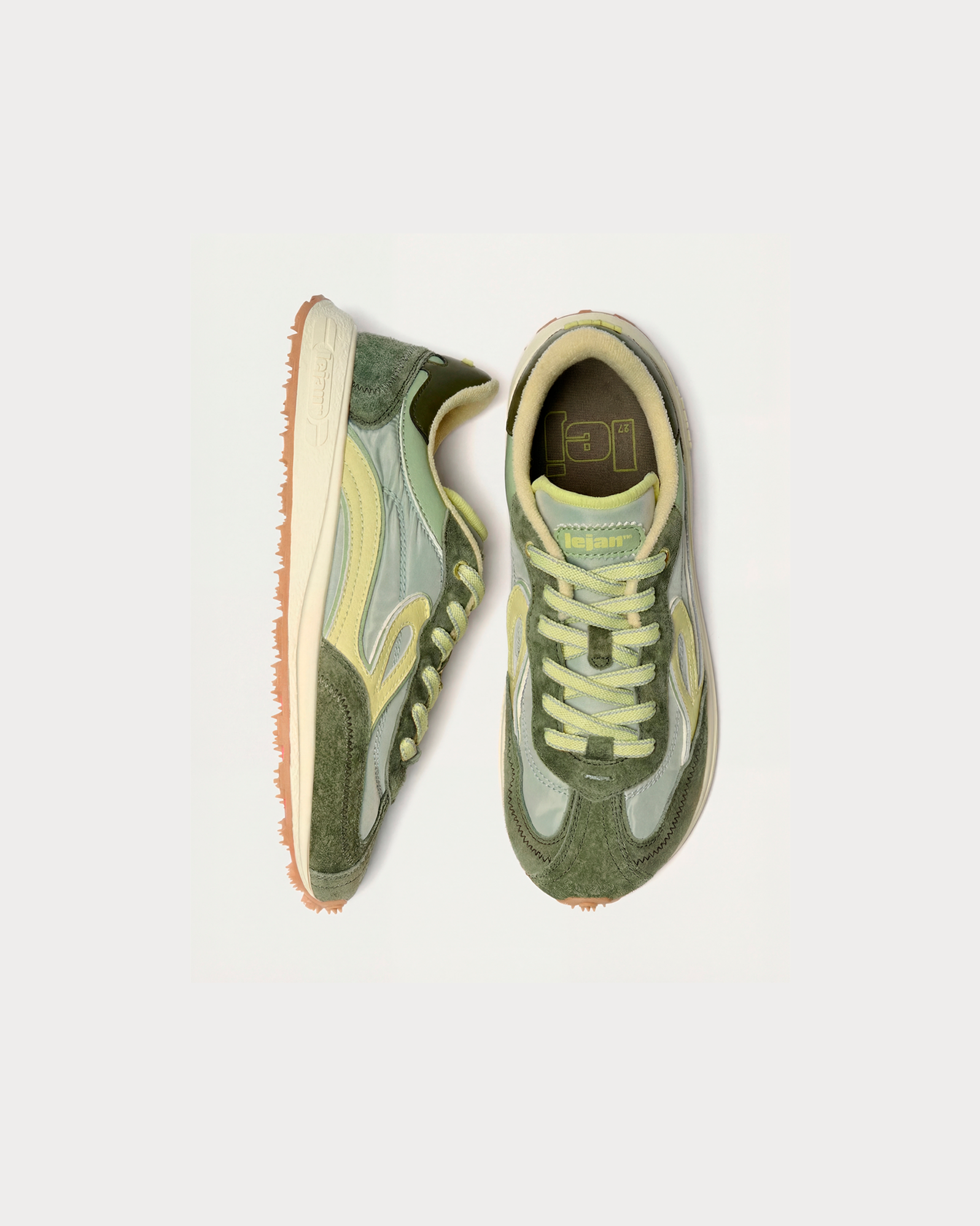
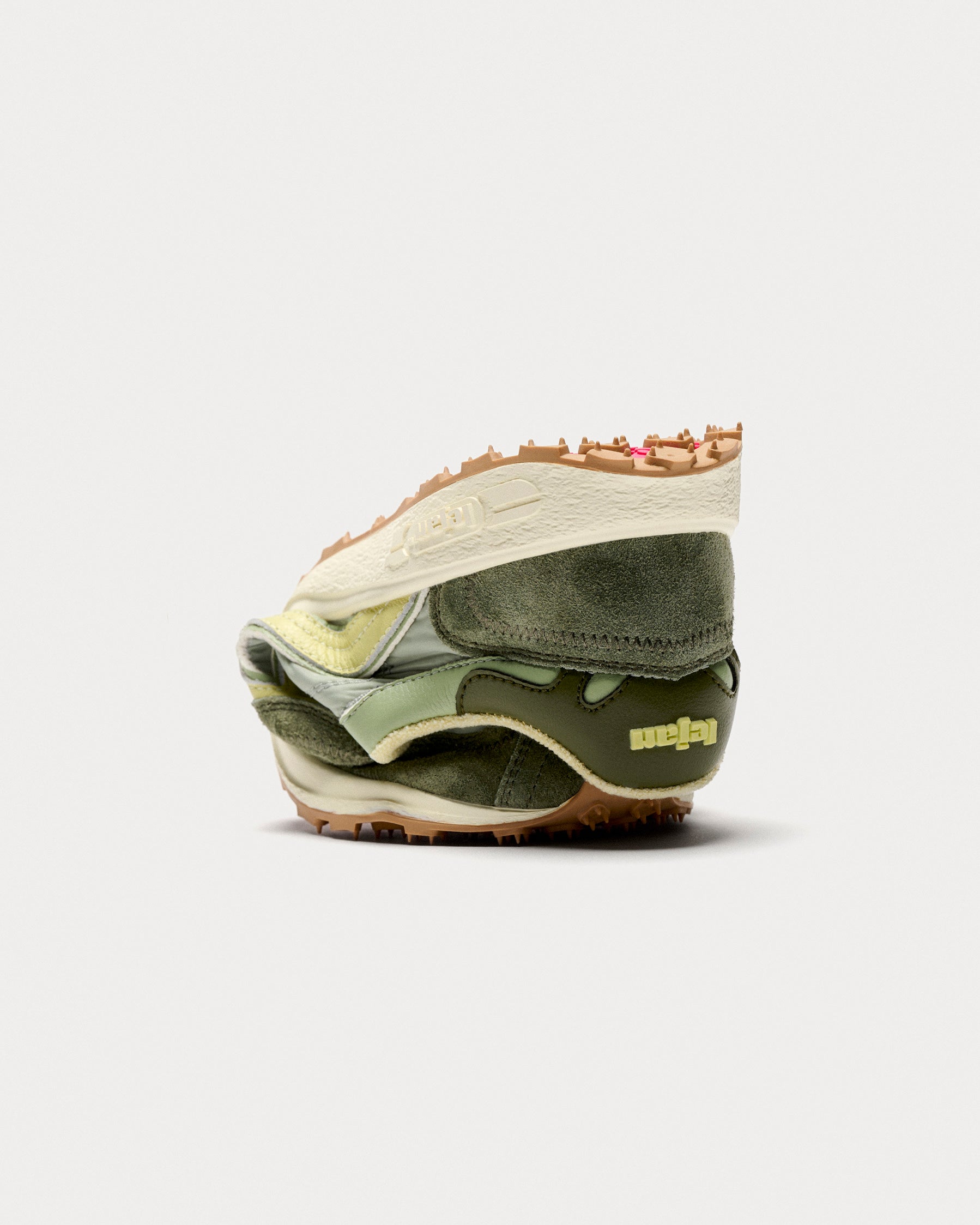
Footwear should not force or block the foot. Its purpose should be to protect, support and allow the child to keep moving freely.
In a child who walks with their feet turned inwards, it is worth checking that the shoe is not adding more stiffness or more pressure.
Respectful children's footwear should have:
-
a wide toe box, so the toes are not compressed,
-
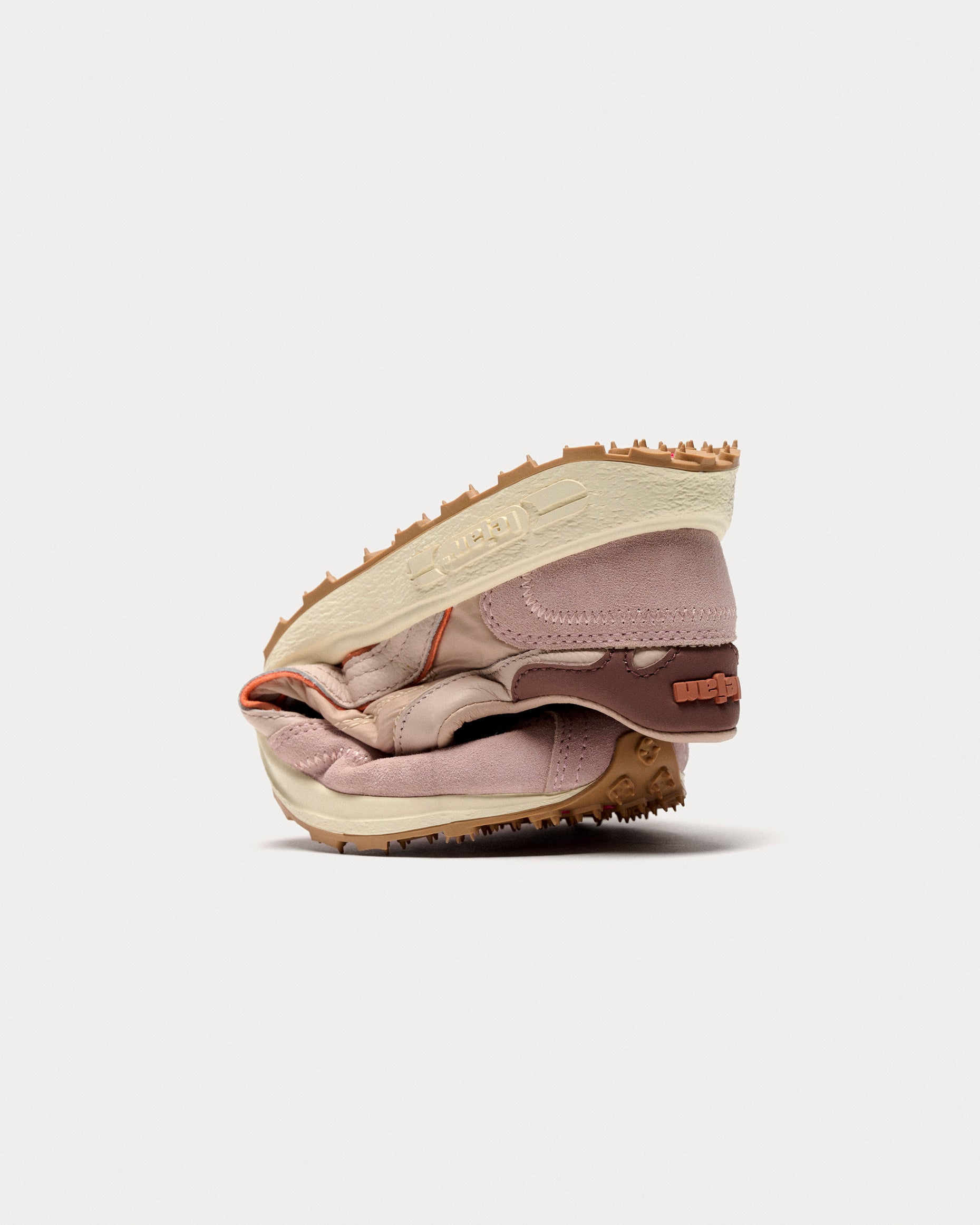
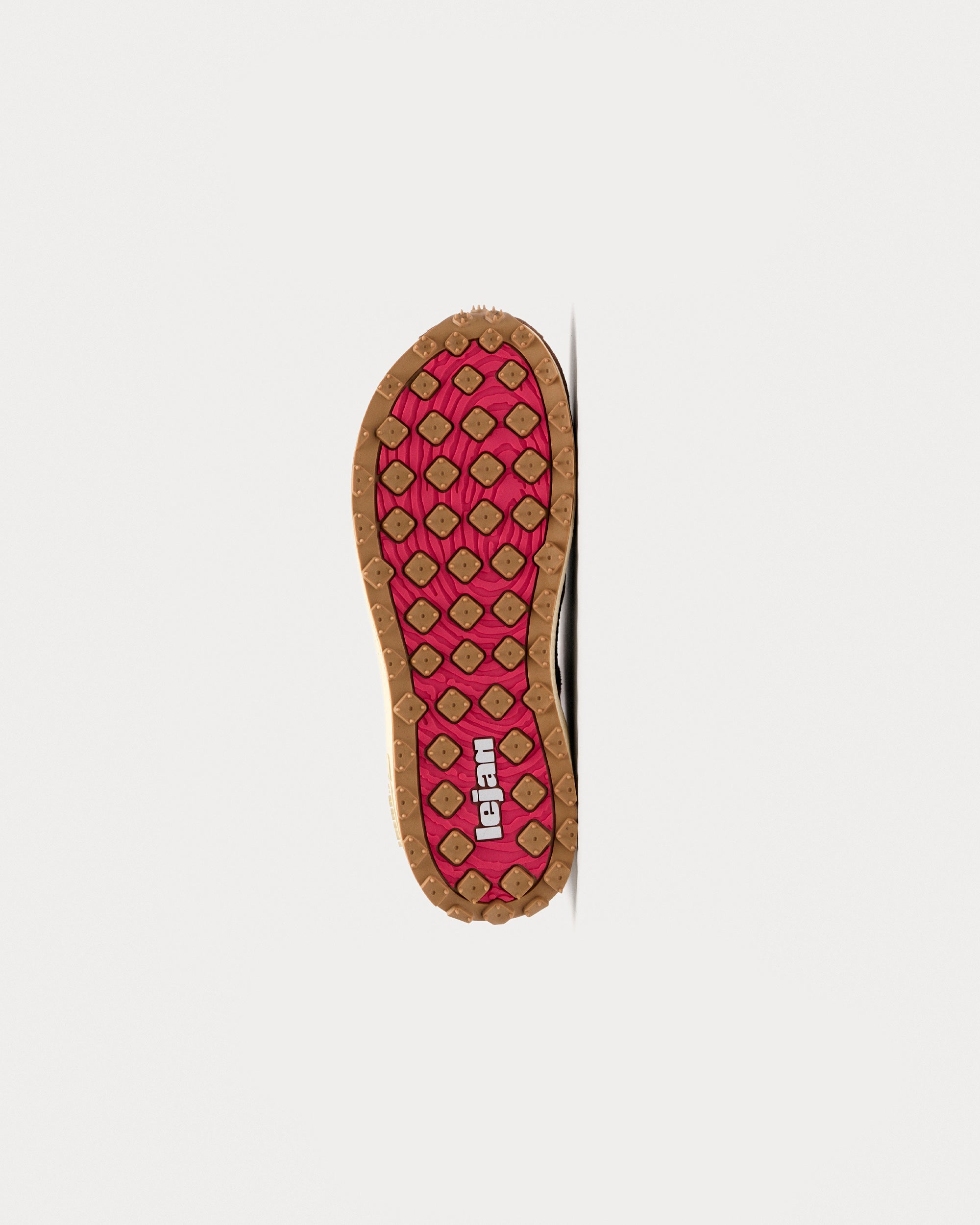
a flexible sole that allows the natural movement of the foot,
-
zero drop, that is, the same height at the heel and forefoot,
-
light weight,
-
a good fit, without squeezing or letting the foot slide around,
-
the right size, with enough margin but not too much,
-
no unnecessary rigid structures.
The goal is not for the shoe to "straighten" the foot, but for it not to limit the development of movement.
3. Insoles or specific treatment only when indicated
Insoles can make sense in specific cases, but not every child who turns their feet inwards when walking needs them.
Before prescribing them, you need to assess the age, the origin of the in-toeing, the mobility, the pain, the stability, the type of support and how things are developing. Using them without need may not provide any real benefit.
4 things you can observe at home
At home you can observe a few simple details without becoming obsessed.
1. How they walk barefoot
Seeing the child barefoot can help you understand whether they always turn their feet inwards or whether they do it more with certain shoes.
If they trip more, drag their feet or walk strangely with a particular shoe, that shoe may not be supporting their movement well.
2. How they run
In-toeing tends to be more noticeable when running. The child moves faster, has less control of the movement and may show the inward rotation more.
It is not always a cause for concern. But if it comes with lots of falls, pain or a reluctance to play, it is worth seeking advice.
3. How they sit
The way they sit also gives information. Some children with a tendency to in-toeing sit a lot in the W position because they find it stable and comfortable.
There is no need to be alarmed if they do it from time to time, but it is worth offering alternatives if it is their usual position.
4. How they wear out their footwear
Shoe wear can offer clues, although it is not enough to make a diagnosis on its own. If they always deform the same area, if the heel collapses a lot or if one shoe wears out more than the other, it may be useful to mention it during an assessment.
3 positions worth avoiding at home
This is not about banning anything or correcting the child all day long. The goal is to give them a variety of movement.
A child's body needs to explore many positions to develop strength, mobility and control. If a child always sits the same way, always plays the same way or always seeks the same position, it can reinforce certain patterns.
1. Sitting in a W position for a long time
The W position is the one in which the child sits with the knees pointing forwards and the feet out to the sides.
Many children use it because it gives them a lot of stability, and we are not always going to get them to limit it completely, especially if it is a position they find comfortable. That is why, rather than scolding or correcting constantly, it can be more useful to offer alternatives and support them with exercises that encourage external rotation of the hip.
The idea is for it not to be their main position for long stretches and for the child to have other ways of sitting and moving:
"Let's change your legs."
"Try sitting with your legs out in front of you."
"Now lie on your side for a little while."
In addition, you can introduce simple games and exercises that work on opening the hips, always adapted to their age and without forcing anything.
2. Always sitting with the legs to the same side
Some children sit with both legs bent to one side. If they always use the same side, there can be less variety of movement and more of a tendency to repeat the same supports.
The ideal is to invite them to alternate positions without turning it into constant correction.
3. Staying in the same position for a long time
Playing on the floor is positive, but it is good for the child to change position: sitting, kneeling, squatting, lying face down, on their side or standing.
Variety helps more than a "perfect" position.
What to do if your child walks with their feet turned inwards
If your child walks with their feet turned inwards, the first thing to do is observe how things develop.
You can help them with simple measures:
-
allowing free movement,
-
letting them walk barefoot in safe environments,
-
avoiding rigid, narrow or heavy footwear,
-
choosing flexible shoes with a wide toe box,
-
encouraging active play,
-
offering a variety of sitting positions,
-
seeking advice if there is pain, repeated falls, a limp or marked asymmetry.
It is not about correcting for the sake of correcting, but about understanding whether that gait is part of their development or whether it needs a more specific assessment.
Conclusion
Walking with the feet turned inwards is common in childhood and often improves as the child grows. It can come from the foot, the tibia, the hip or from the gait maturation process itself.
The key is to observe how the child develops, avoid rigid solutions when they are not needed and choose footwear that lets the foot move without unnecessary pressure.
Supporting development well does not always mean intervening more. Sometimes it means giving space, allowing movement and knowing when to seek advice.
Test your knowledge
Answer the questions to check how much you know about this topic.
1. What does it mean for a child to walk with their feet turned inwards?
2. What can be a common cause of walking with the feet turned inwards?
3. Which position is best not kept as the main position for long stretches?
4. When is it advisable to consult a specialist?

Share