



The plantar fascia is a crucial structure in foot anatomy and plays a vital role in the stability and function of the foot. In this article, we explore how the plantar fascia should work properly in children's feet and what happens when it doesn't. We use a practical example to illustrate the differences between a healthy foot and one with plantar fascia dysfunction.
What Is the Plantar Fascia?
The plantar fascia is a thick band of connective tissue that runs from the heel to the toes. Its main role is to support the arch of the foot and absorb impact during activities such as walking, running or jumping. The plantar fascia also plays an important role in foot mechanics, helping maintain its structure and facilitating proper movement.
Assessing How the Plantar Fascia Works
To assess whether a child's plantar fascia is working correctly, we can do a simple test: lift the big toe. This movement should trigger two observable responses:
- Formation of the Plantar Arch: When the big toe is raised, the plantar fascia tightens and should cause an arch to form in the foot. This arch is essential for weight distribution and impact absorption.
- Outward Rotation of the Tibia: At the same time, the tibia (the larger bone in the lower leg) should rotate slightly outwards. This rotation indicates that the foot's biomechanics are working correctly and that the plantar fascia is doing its job.
Comparing a Foot with Functional vs Dysfunctional Plantar Fascia
To illustrate these differences, let's consider two scenarios:
- Foot with a Functional Plantar Fascia:
- Plantar Arch: When we lift the big toe, an arch clearly forms in the sole of the foot. This indicates that the plantar fascia is tightening and working correctly.
- Tibia Rotation: At the same time, the tibia rotates slightly outwards, which is a sign of correct foot biomechanics.
- Foot with a Dysfunctional Plantar Fascia:
- Lack of Plantar Arch: When the big toe is lifted, no change is observed in the sole of the foot. No plantar arch forms, indicating that the plantar fascia is not working as it should.
- Absence of Tibial Rotation: The tibia shows no outward rotation, suggesting dysfunction in foot biomechanics.
The Importance of a Healthy Plantar Fascia
Proper plantar-fascia function is essential to prevent various foot conditions and problems. Children with a poorly functioning plantar fascia may experience a range of issues, including:
- Foot Pain: Lack of support in the plantar arch can cause pain in different parts of the foot.
- Gait Problems: Plantar-fascia dysfunction can affect the way a child walks, which can lead to postural problems and other musculoskeletal complications.
- Abnormal Foot Development: A poorly functioning plantar fascia can affect foot development, which may require medical or therapeutic intervention.
Benefits of Barefoot Footwear for the Plantar Fascia
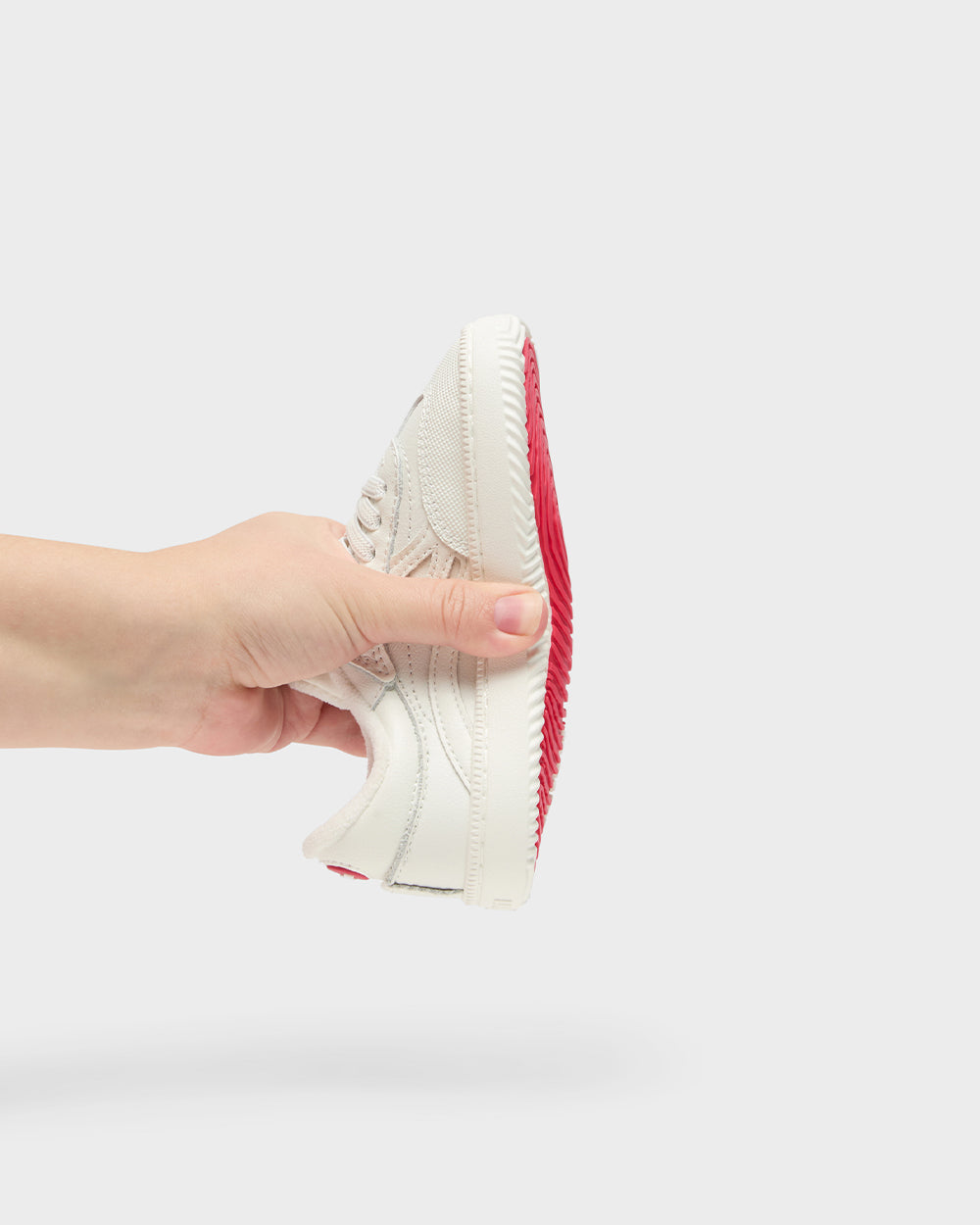
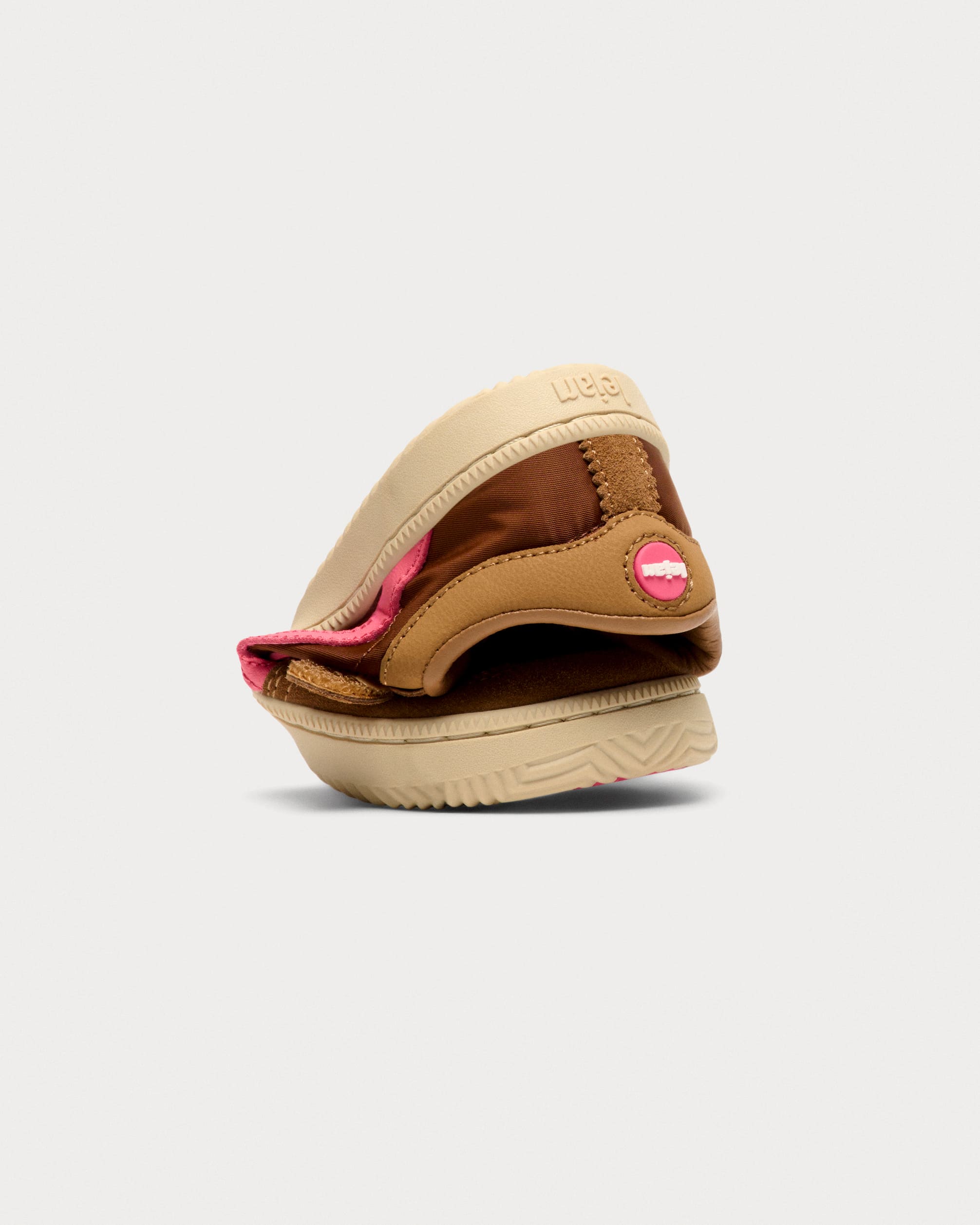
- Plantar Arch Support: Barefoot footwear with good arch support helps maintain proper tension in the plantar fascia, which is crucial for forming the plantar arch during movement.
- Impact Reduction: Impact absorption is essential to prevent excessive stress on the plantar fascia. Shoes with proper cushioning reduce pressure on the heel and arch, lowering the risk of inflammation and pain.
- Improved Foot Biomechanics: By allowing natural, free movement, barefoot footwear facilitates proper tibia rotation and optimal plantar-fascia function.
- Prevention of Foot-Development Problems: Proper footwear is especially important in children, as their feet are still developing. Wearing barefoot shoes helps prevent deformities and structural problems that can negatively affect the plantar fascia and overall foot development.
Conclusion
The plantar fascia plays a crucial role in the health and function of children's feet. Assessing its proper function by observing the formation of the plantar arch and the rotation of the tibia is fundamental for identifying possible dysfunction. A foot with a poorly functioning plantar fascia can lead to a range of problems that affect the child's quality of life. That's why it's important to pay attention to these signs and, if anomalies are detected, seek guidance from a foot-health specialist.
Maintaining a healthy plantar fascia is key to ensuring the proper development and well-being of children's feet, which in turn contributes to their mobility and overall quality of life.

Share