Plantar massage: quick answer
What it is and what it's for
Plantar massage is a simple way to unload the foot when the day ends. It consists of applying pressure and movement on the sole to release tension, improve the feeling of lightness and return some mobility to a foot that has been working for many hours.

When it really helps and when it's not enough
It usually works very well when you notice the foot tired, loaded or stiff after many hours of standing or walking.
If there's recurring pain, inflammation or discomfort that doesn't go away, the massage can relieve, but if you have any doubts, consult your specialist.
Benefits of plantar massage on tired or loaded feet
Relief from tension on the sole of the foot
During the day, the sole of the foot bears a lot of load. The massage helps reduce that "hard" or overloaded foot sensation.
Improvement in mobility, circulation and the feeling of rest
By mobilizing the foot, it responds better. You feel more ease while walking and a more real overall feeling of rest, not just a momentary one.
Before you start: how to do a plantar massage safely
How much pressure to apply and for how long
Always start gently. The idea isn't to "wreck" the foot, but to accompany it.
5–10 minutes per foot would be enough to relieve the foot a little.
Signs to stop and consult a professional
-
Pain that increases while you're doing the massage
-
A stabbing sensation or very localized discomfort
-
Inflammation or excessive sensitivity
If this happens, better not to insist. If you have any doubts, consult your specialist.
Plantar massage techniques step by step
Massage with a ball to unload the plantar fascia
Place a ball under the foot and make gentle back-and-forth movements.
You can stop on more loaded areas, without forcing.

Massage with a cold bottle when there's overload or pain
Place a cold bottle under the foot and make gentle back-and-forth movements.
Gentle mobilization of toes and plantar arch
Move the toes with your hand, separate them slightly and flex them gently.
This helps to recover mobility in areas that tend to be stiff.
5- to 10-minute home plantar massage routine
Recommended order to feel relief without irritating the area
-
Ball → you activate without loading
-
Hands → you work in more detail
-
Toes → you give back mobility
A simple order that usually works well.
How many times a day or a week to do it
-
After a long day
-
Several times a week if you usually notice load
-
Even daily if you find it pleasant and it doesn't bother you
Common mistakes when doing a plantar massage
Pressing too hard on an inflamed or sensitive area
Going hard doesn't speed up the process. It can even make the pain worse.
Using it as the only solution when there's persistent pain
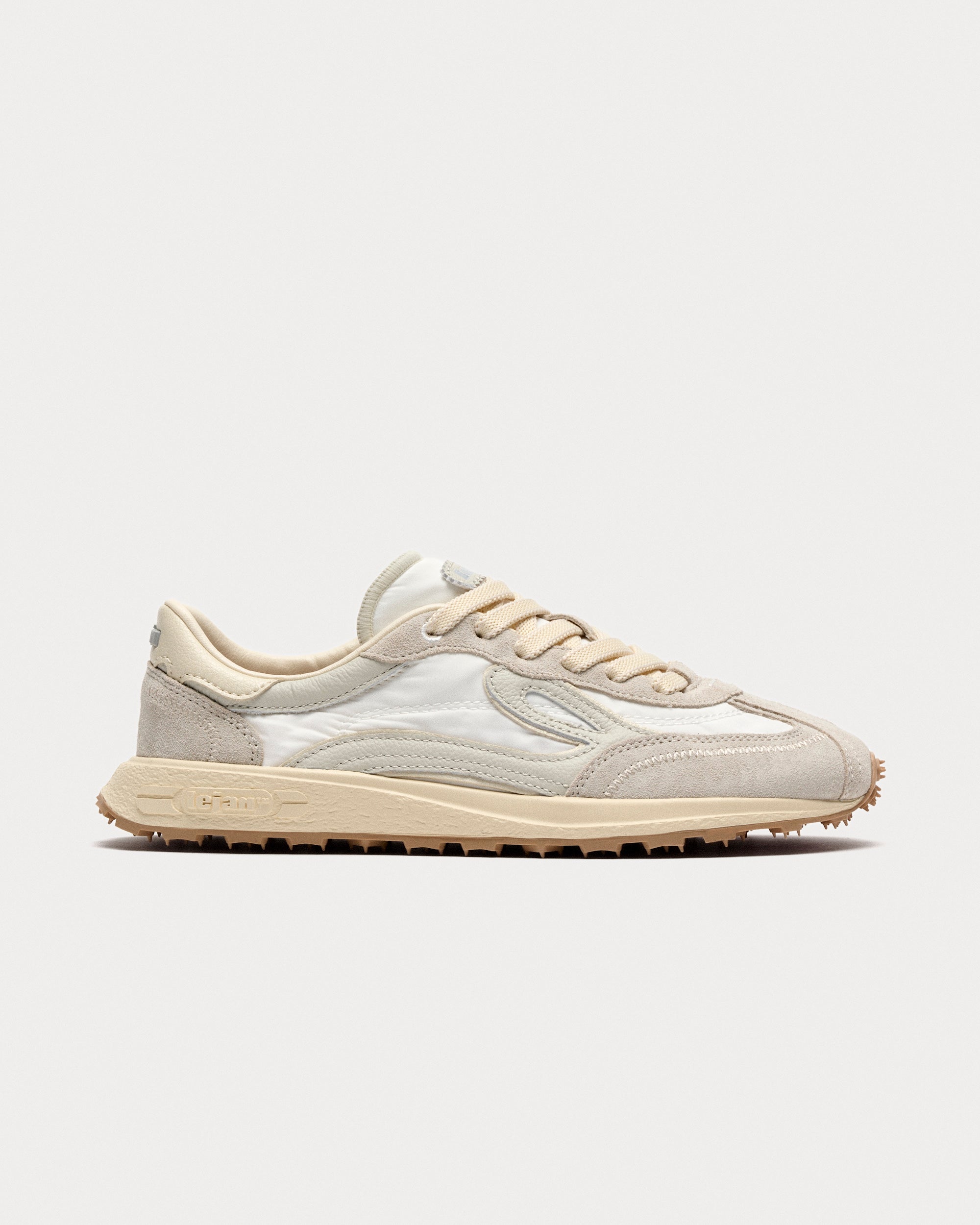
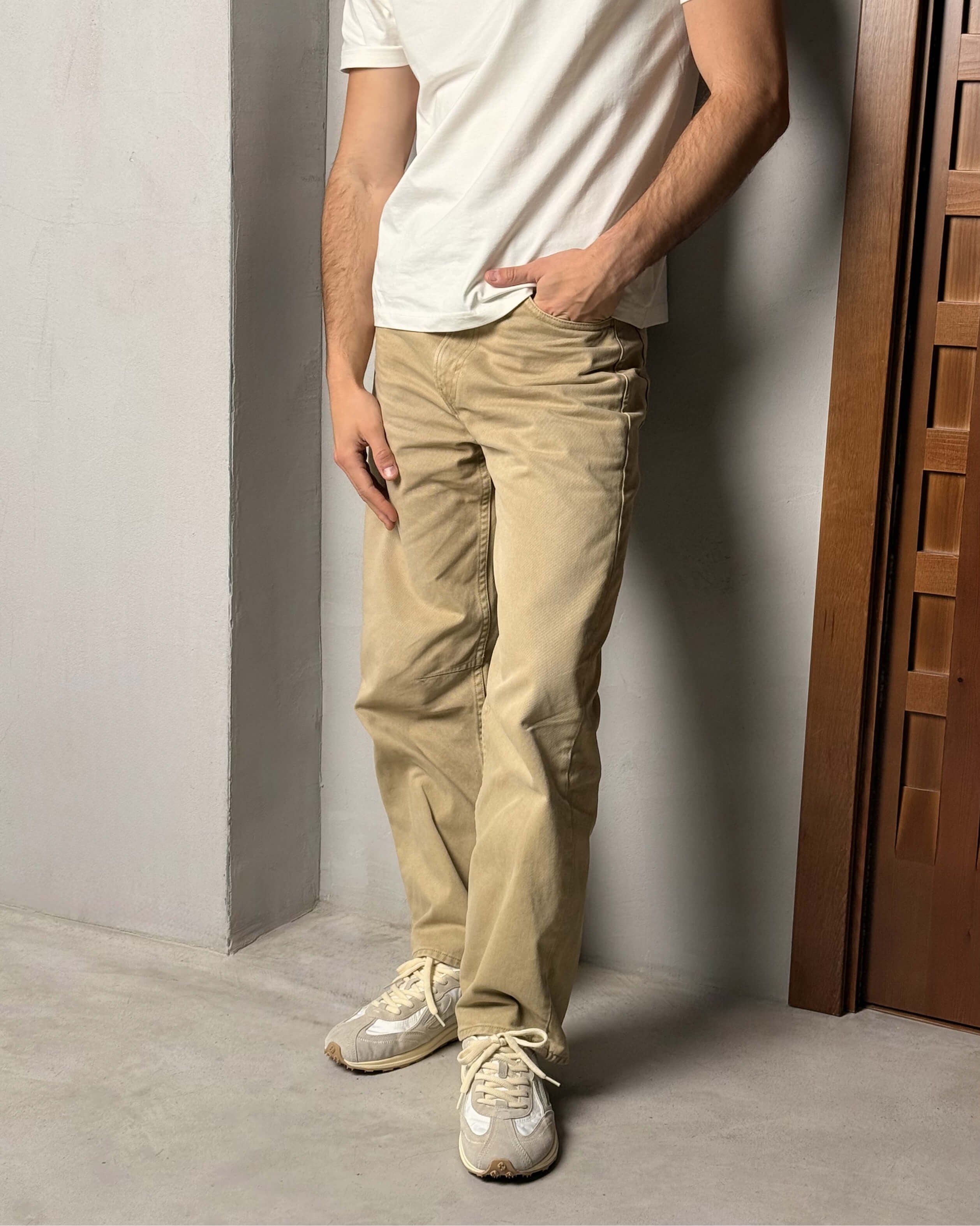
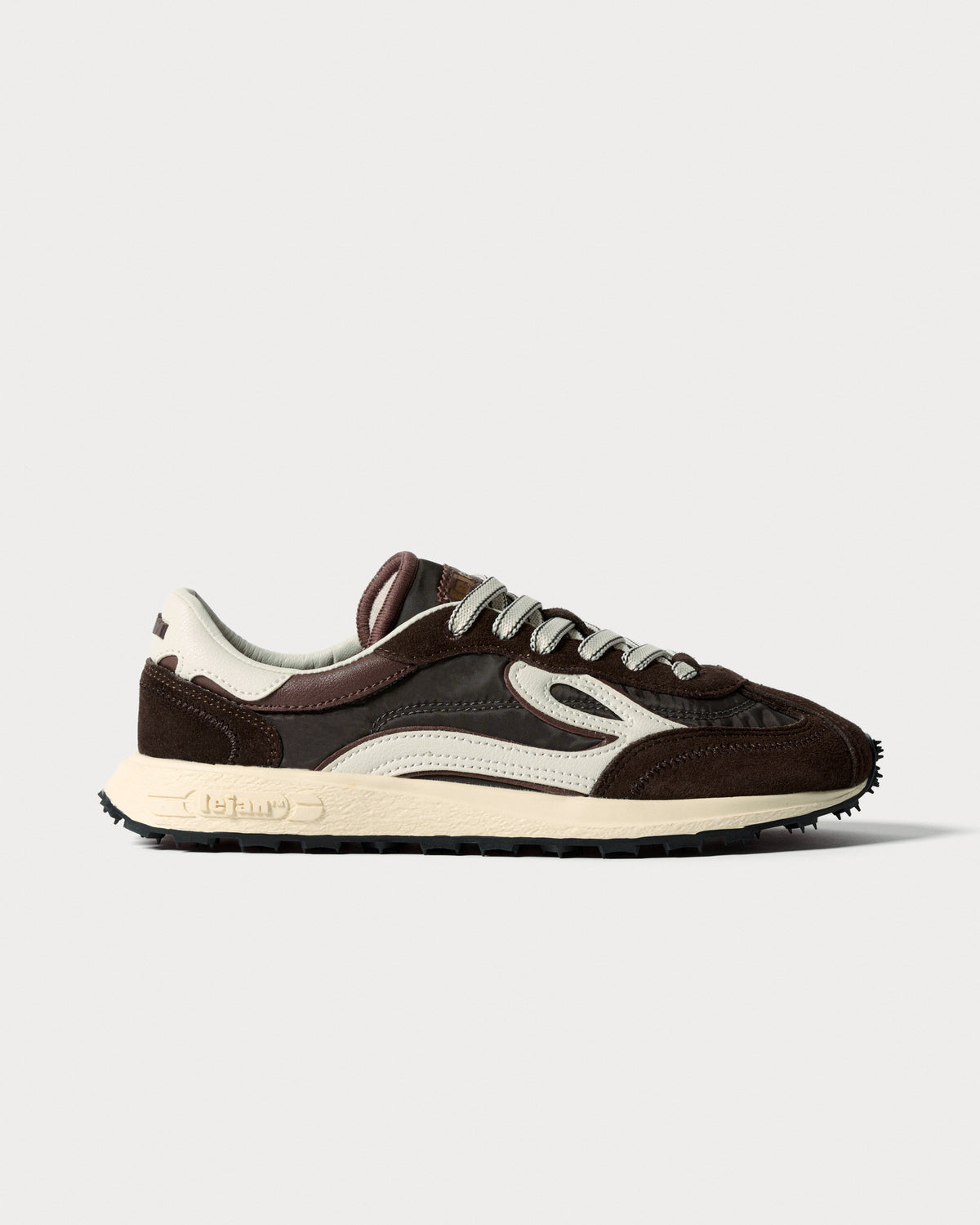
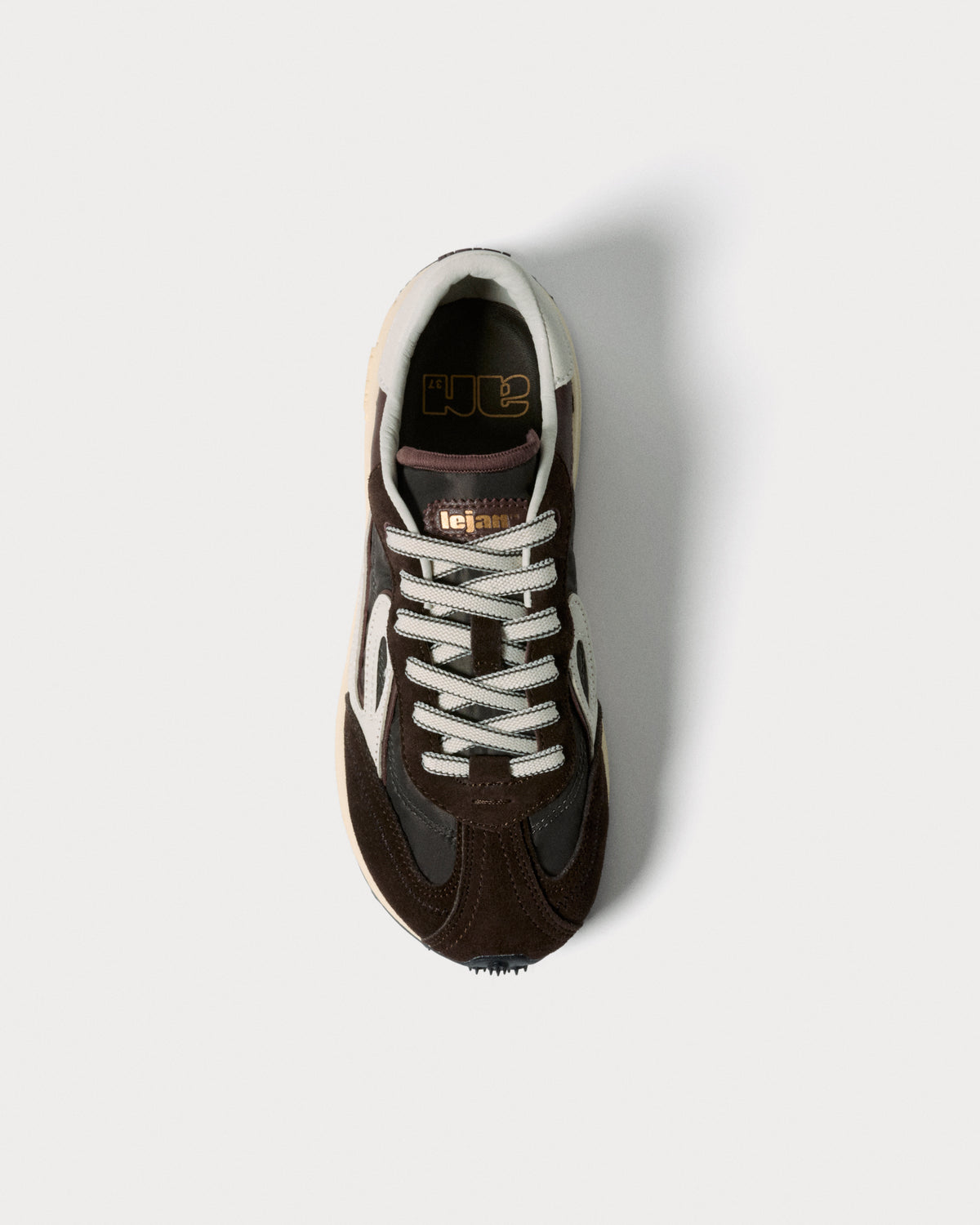
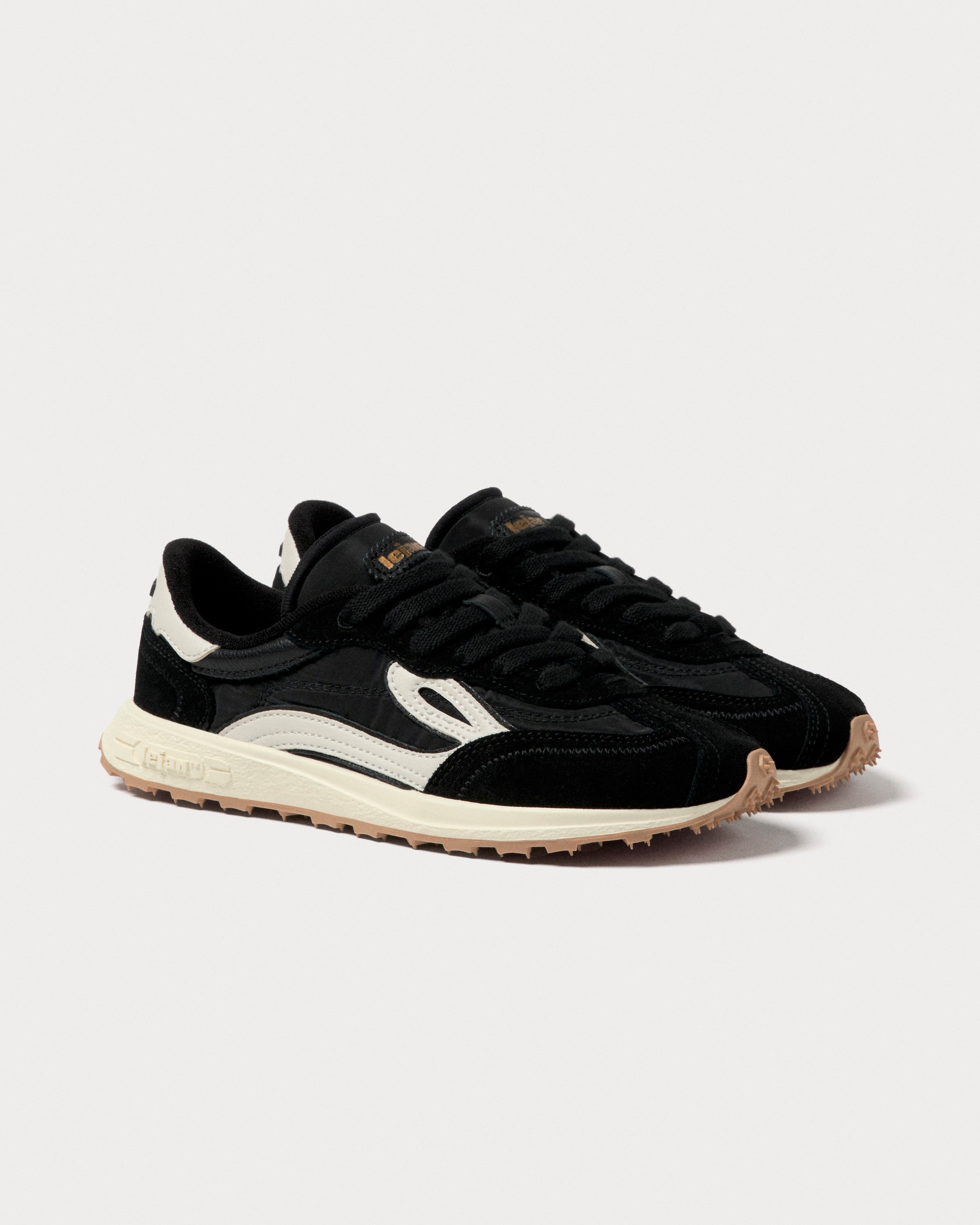
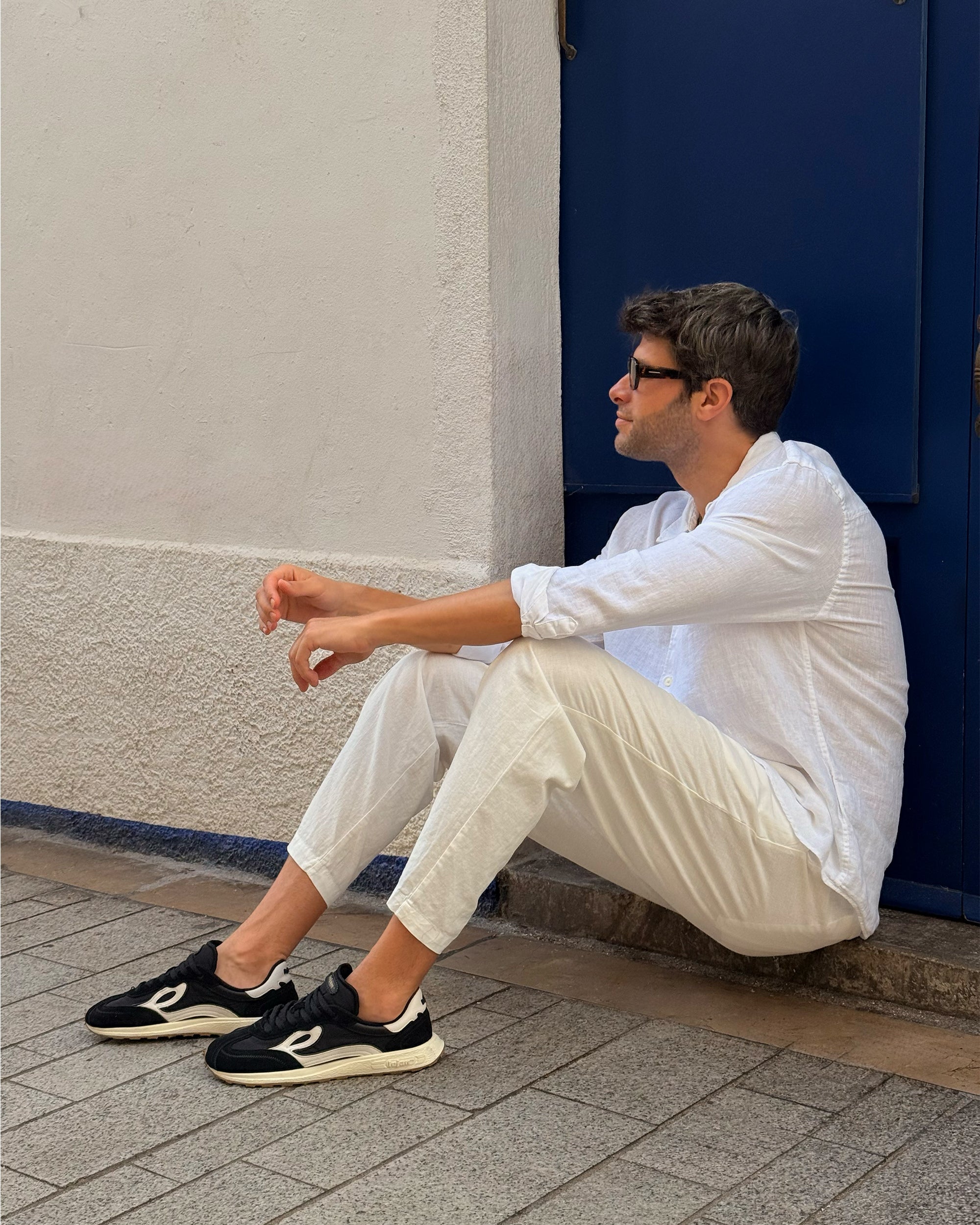
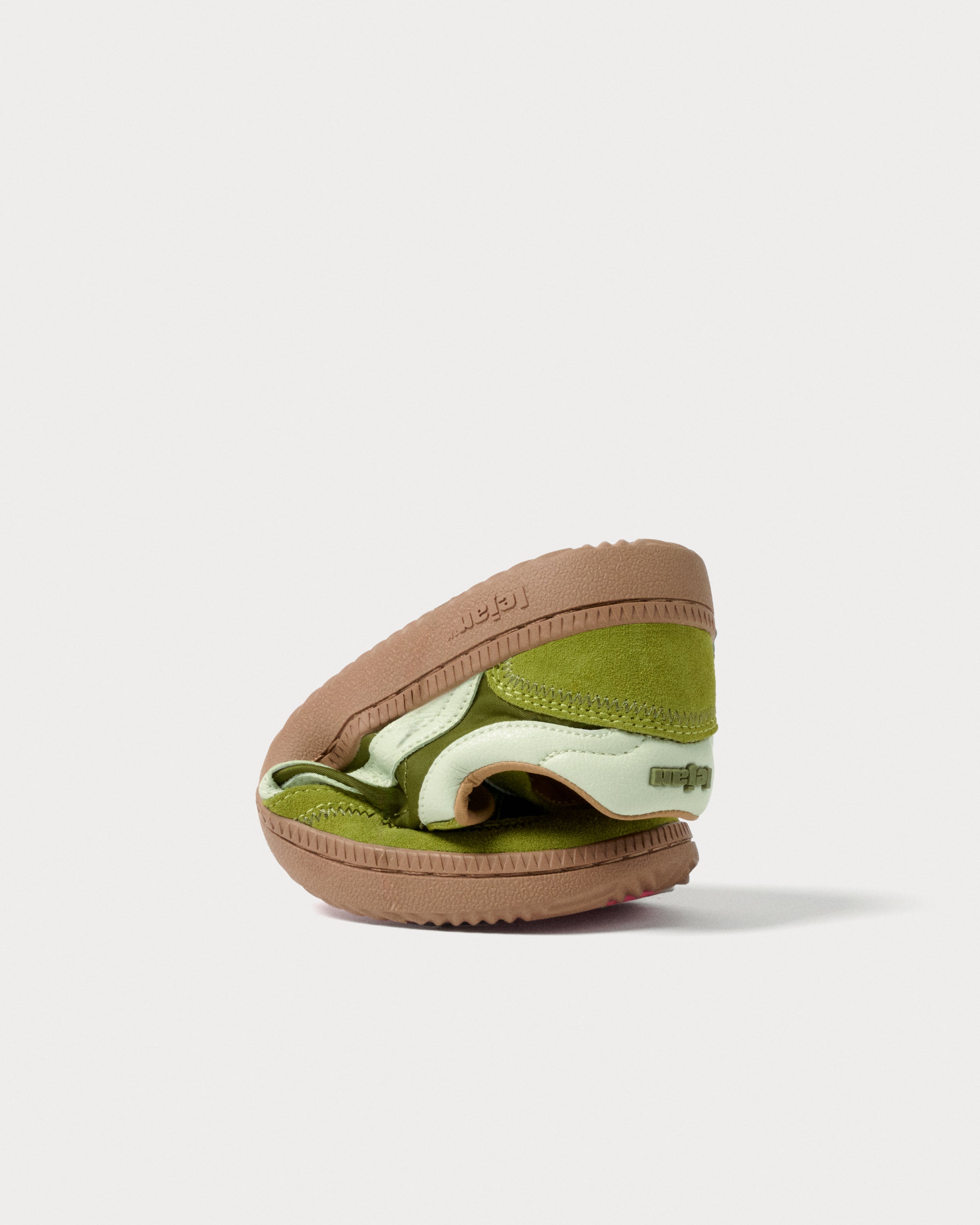
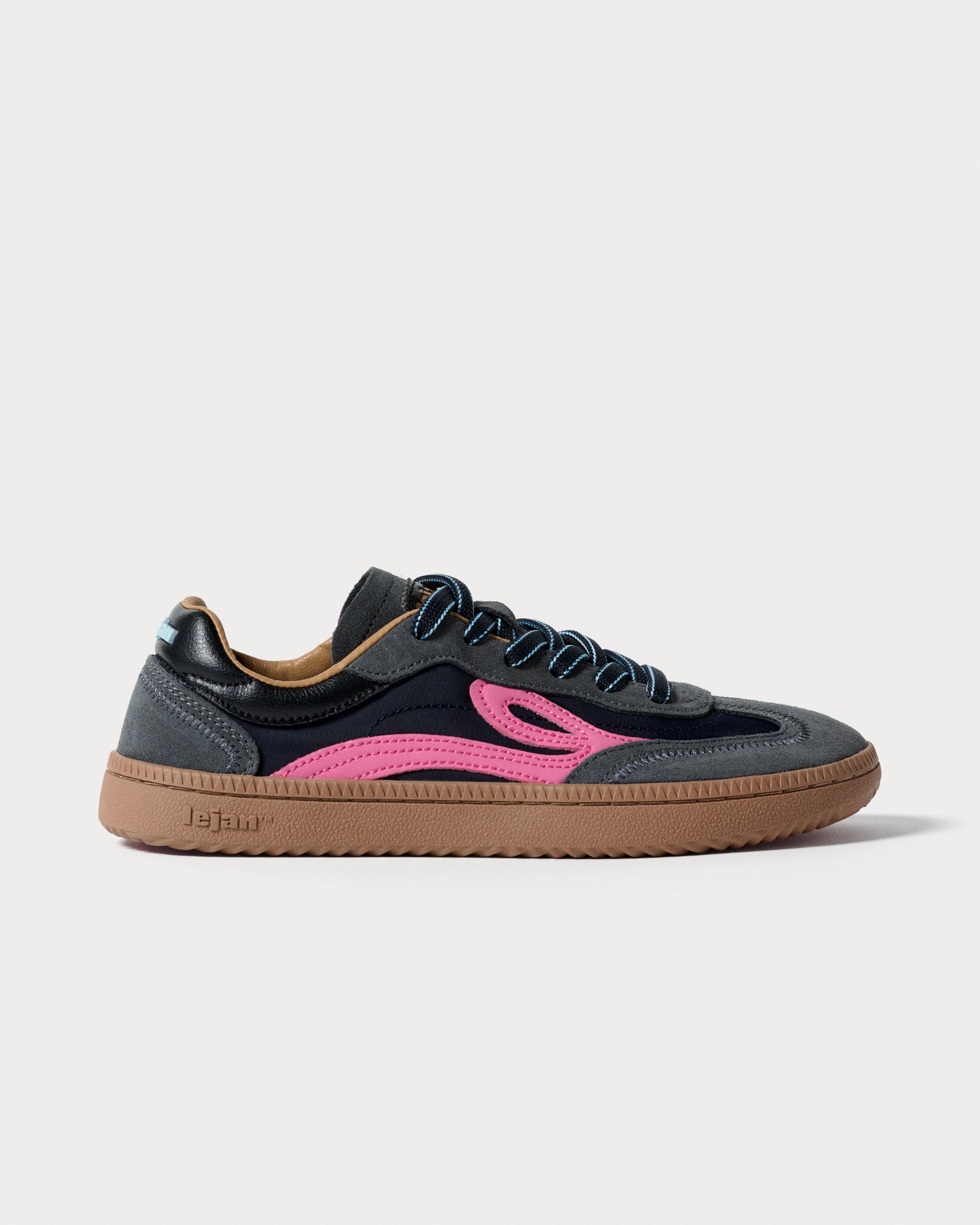
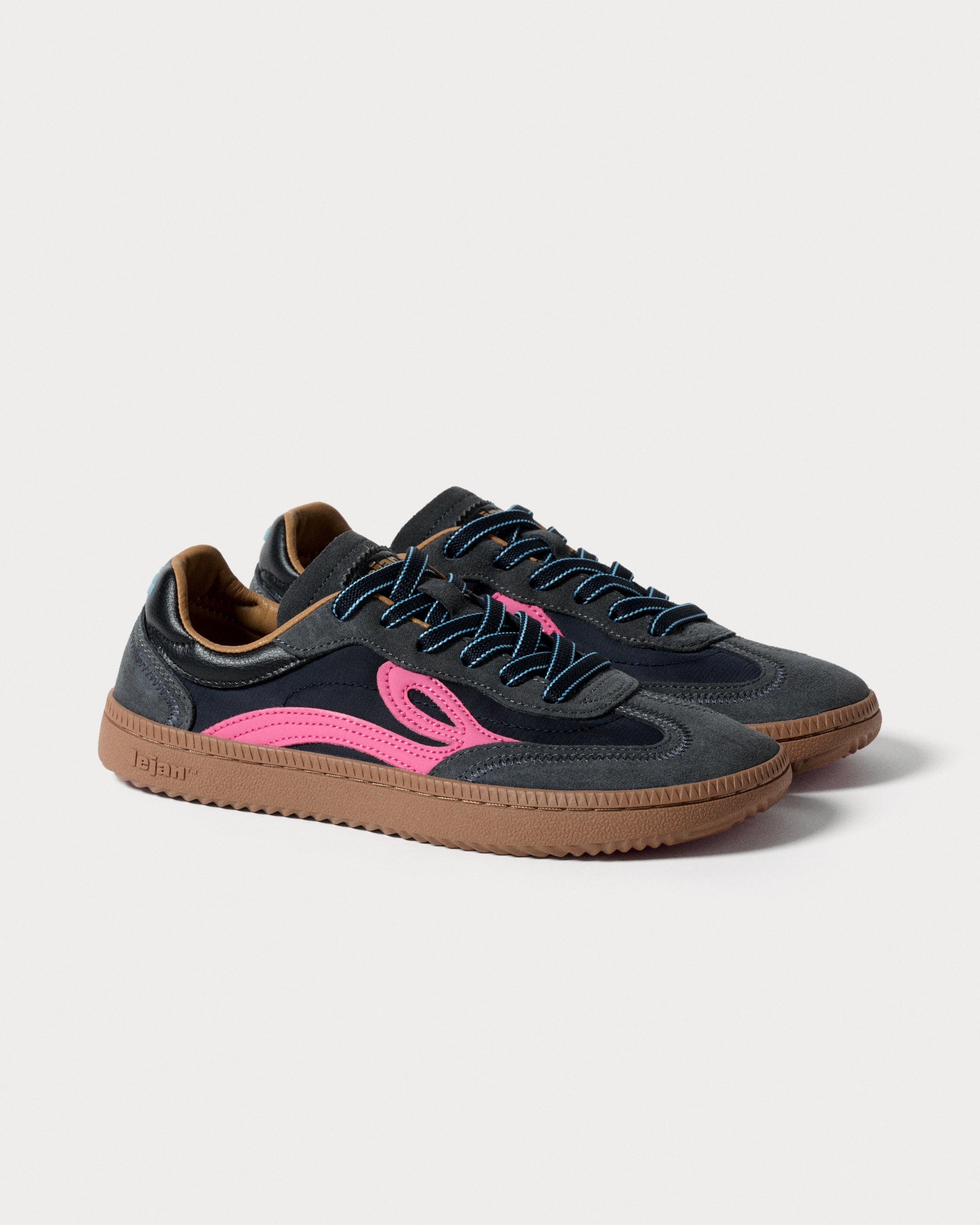
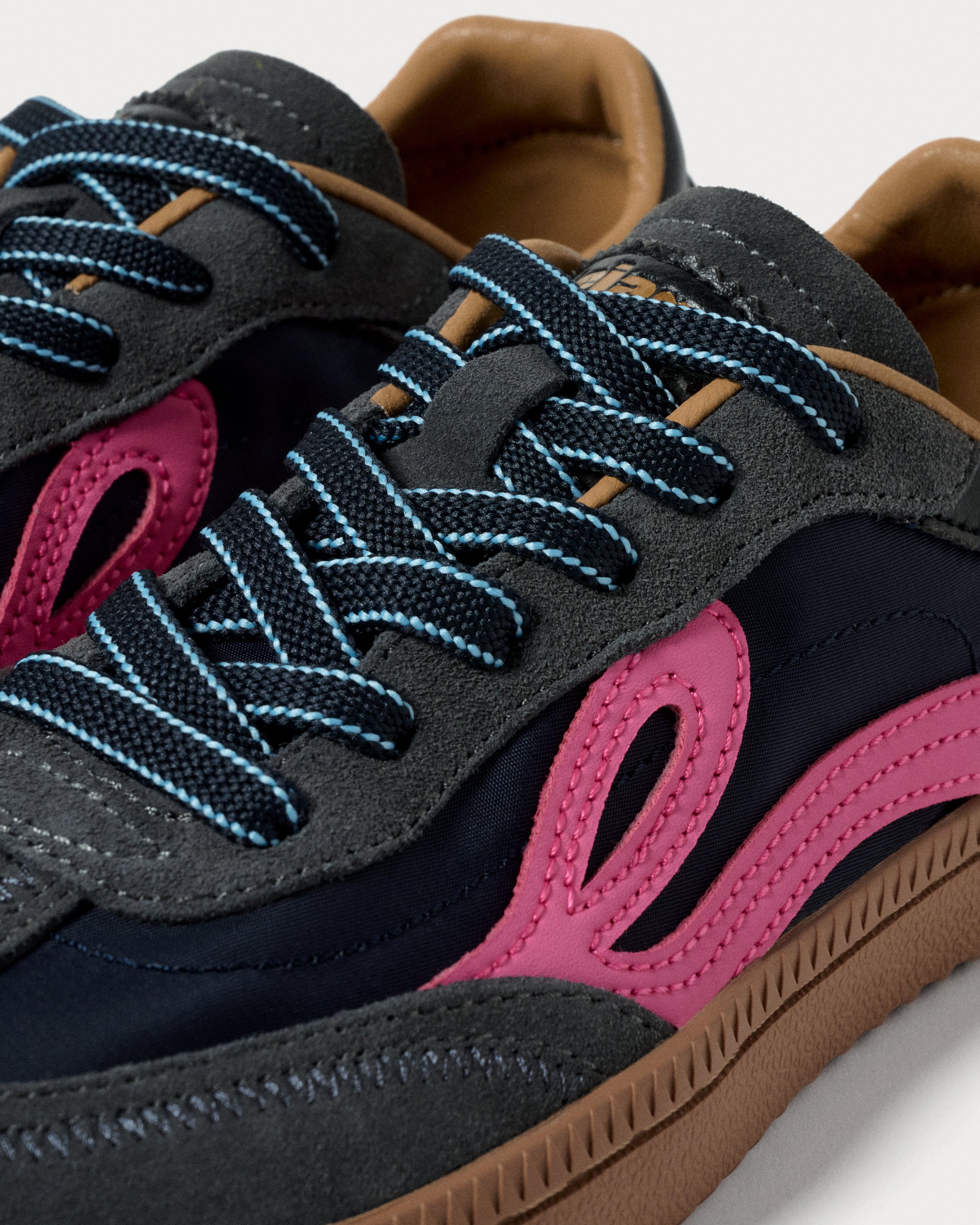
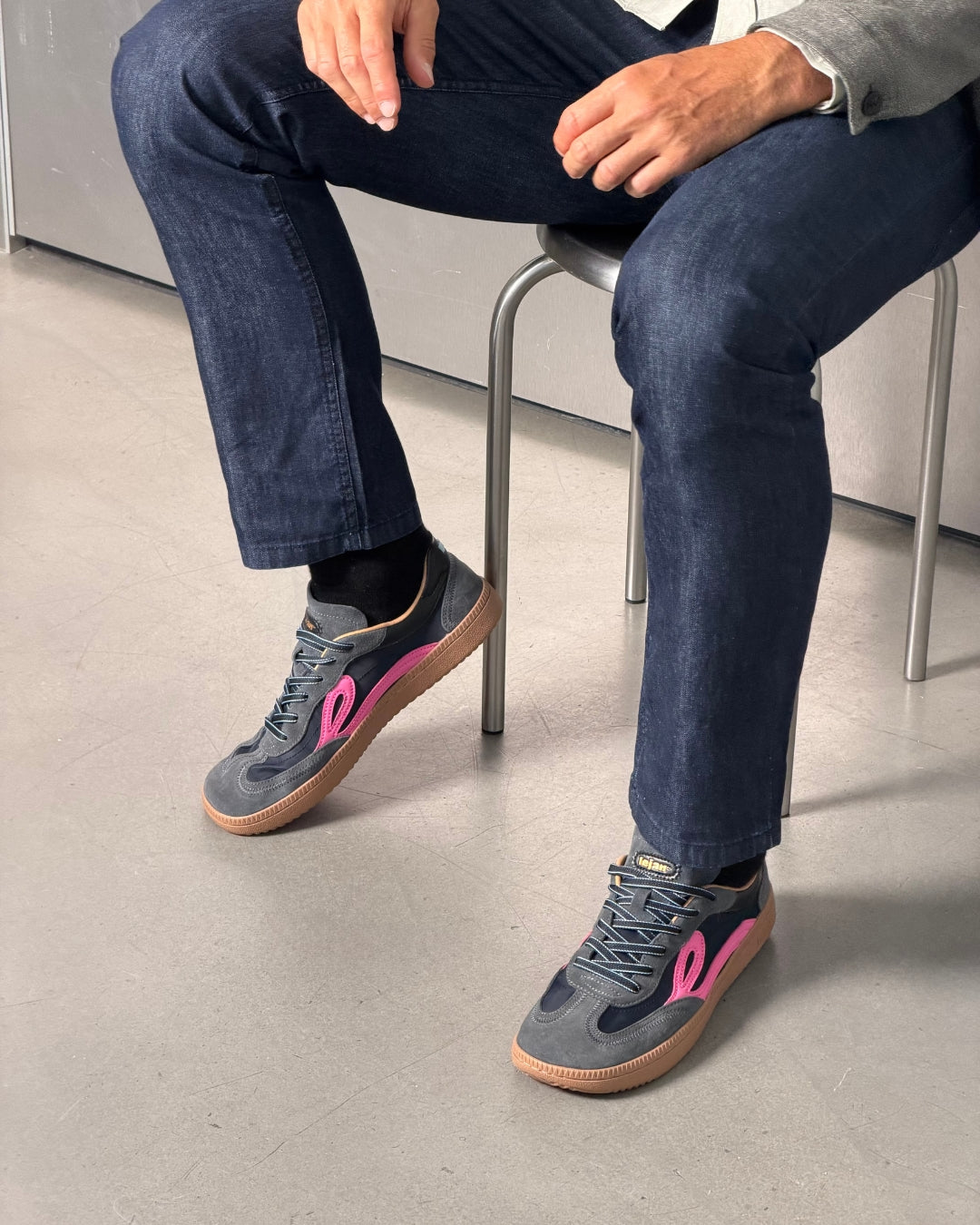
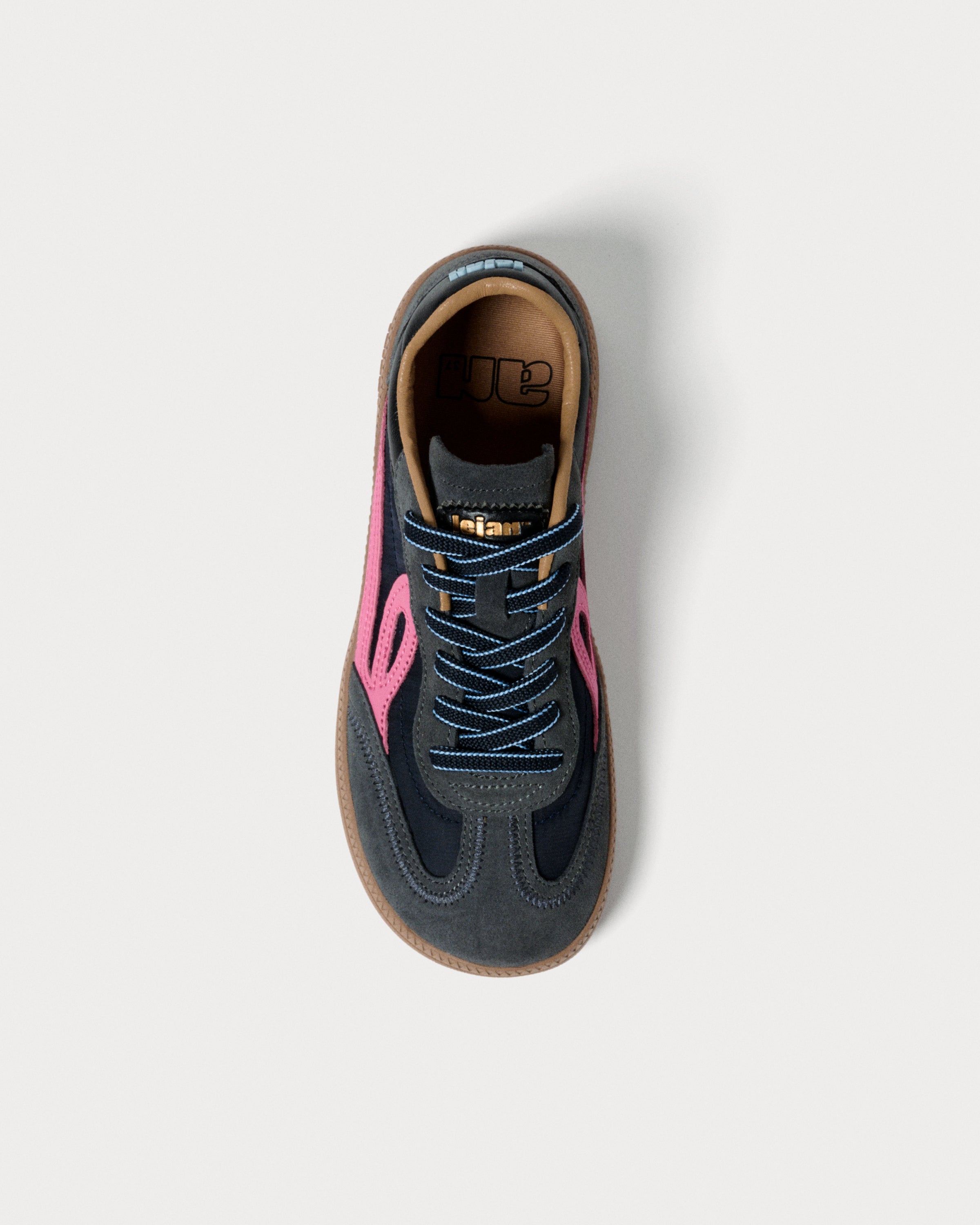
The massage helps, but it doesn't replace other important things like movement, footwear or foot work. In this sense, reviewing what kind of footwear you use day to day can also make a difference, and for some people it can be interesting to assess more respectful options like barefoot sneakers for adults.
On the other hand, if there's persistent pain or any warning sign, consult your specialist.
Frequently asked questions about plantar massage
Whether it works for plantar fasciitis, tired feet or overload
It can relieve the feeling of load and stiffness, especially in tired feet. For more specific discomfort, it usually works better as a complement, not as the only tool.
When it's worth combining with exercises or insoles
When the foot loads up easily, there's stiffness or discomfort that comes back again and again.
There the massage adds, but real change comes from working the foot and reviewing how you're walking or what you're using day to day.
Test your knowledge
Answer the questions to check how much you know about this topic.
1. What is plantar massage usually used for?
2. If you do a plantar massage at home, what's most advisable?
3. Which of these can be useful to release the sole of the foot?
4. When should you not just stick to plantar massage?

Share