What baby walking development is and how it evolves step by step
The development of walking is a neuromotor process: the baby gradually integrates postural control, strength, balance and coordination until they can move autonomously. It doesn't happen "all of a sudden", but in stages, and there's a wide range of normal.
From head control to crawling: necessary prior foundations
Before walking, the baby builds key "pieces":
- Head and trunk control (stability to look, turn and hold themselves).
- Posture changes (rolling, sitting, getting onto four supports).
- Floor movement (slithering/crawling or other forms). Crawling isn't required for walking, but it usually provides coordination practice and weight bearing.
-
Standing with support (learns to bring the center of mass over the feet and to react when balance is lost).
From the first supports to autonomous steps
The typical thing is to see a progression:
- Stands up with support.
- Cruises while holding on (furniture/hands).
- Lets go for brief moments.
- Short, unsteady steps appear.
- Gains stability over weeks/months.
The order can vary and isn't always linear.
Stages of walking development in the baby
Phase of support with help (furniture, hands)
- Lateral cruising and changes of grip.
- Knees somewhat flexed and a wide base: it's their strategy to stabilize.
-
Lots of "trial and error": sits down, stands up, repeats.

First unsteady steps
- Short, fast steps, with frequent loss of balance.
-
May alternate walking and crawling depending on tiredness or environment.
Wide gait with arms in "high guard"
Very common at the start: arms raised to improve balance and trunk control. The gait is usually wide with short steps.

More stable and coordinated gait
With practice, the gait becomes more efficient:
- Arms come down.
- Turns and stops are refined.
- Falls decrease.
-
Running and small jumps appear later on.
What's normal in baby walking development (even if it worries you)
The fact that something is normal doesn't mean it's normal in every case, so whenever there's doubt or you suspect something exaggerated, it's worth consulting a professional.
Walking on tiptoes occasionally
In early learning, it can appear intermittently (out of excitement, speed, new surfaces). It's known as toe walking; it can vary frequently at the start, but when it persists beyond a certain age it's worth assessing (we cover it in "warning signs").

Bowed legs or feet pointing inward in early phases
- Feet pointing inward is common in childhood and, in most cases, corrects itself with growth without special treatment.
- In general, if there's no pain, no sustained limping and the child progresses, it usually falls within developmental variation.
Frequent falls as part of learning
Falling is part of the balance system's "training": the baby learns to adjust ankle, knee, hip and reacts better over time. With a safe environment, those falls are usually expected at first.
Warning signs: when to consult a professional
These signs don't automatically mean a serious problem, but they may justify an assessment by a professional:
Clear asymmetries while walking
- One side works differently (stride, rotation, support).
-
Repeated limping or sustained asymmetric pattern.
Constant refusal to bear weight on one foot
- Persistently avoids bearing weight on one side.
- Crying/pain when standing up or walking.
-
Striking regression (used to support and stops doing it).
Significant delay compared to usual milestones
Each baby has their own pace, but it's usually concerning when there's no clear progress as weeks go by. If they're approaching 18 months and still don't walk without support and, in addition, you see little progression in earlier things (standing up with stability, cruising, transferring weight from one foot to the other), the most advisable thing is to consult to assess whether everything is within what's expected or whether they need a small bit of help/follow-up.
Persistent toe-walking after 2–3 years
Walking on tiptoes can appear in early stages or at specific moments (out of excitement, play, hurry). What's worth watching is that it doesn't become the usual pattern. If after 2–3 years they still walk most of the time on tiptoes, without supporting the heel well, it's a good idea to make an assessment to check mobility, strength and gait pattern, and to rule out something maintaining it.
How the environment influences walking development
Importance of floor time and prior crawling
More floor time usually means more opportunities to:
- Strengthen trunk and pelvic girdle.
- Practice posture changes.
-
Explore varied supports.
Avoid forcing standing or the use of walkers
Wheeled walkers don't "teach to walk" earlier and are associated with significant risk of injury; in addition, they may not provide motor benefit and can even delay some milestones in certain cases. That's why pediatric organizations advise against their use.
Freedom of movement and safe surfaces
- Clothing that doesn't limit hip and knee.
- Surfaces with good grip.
-
Space for "safe" falls (no dangerous objects).
Footwear and baby walking development
Why walking barefoot favors proprioception
Proprioception is the inner sense that helps the body to orient itself: it tells the nervous system how it's positioning, moving and supporting itself to coordinate movement and maintain balance. When the baby goes barefoot, the sole of the foot picks up more information from the ground (pressure, texture, changes) and those sensory stimuli travel to the nervous system, fine-tuning small natural adjustments at every step. So, at home and on safe surfaces, walking barefoot usually helps the baby explore the support with more control.

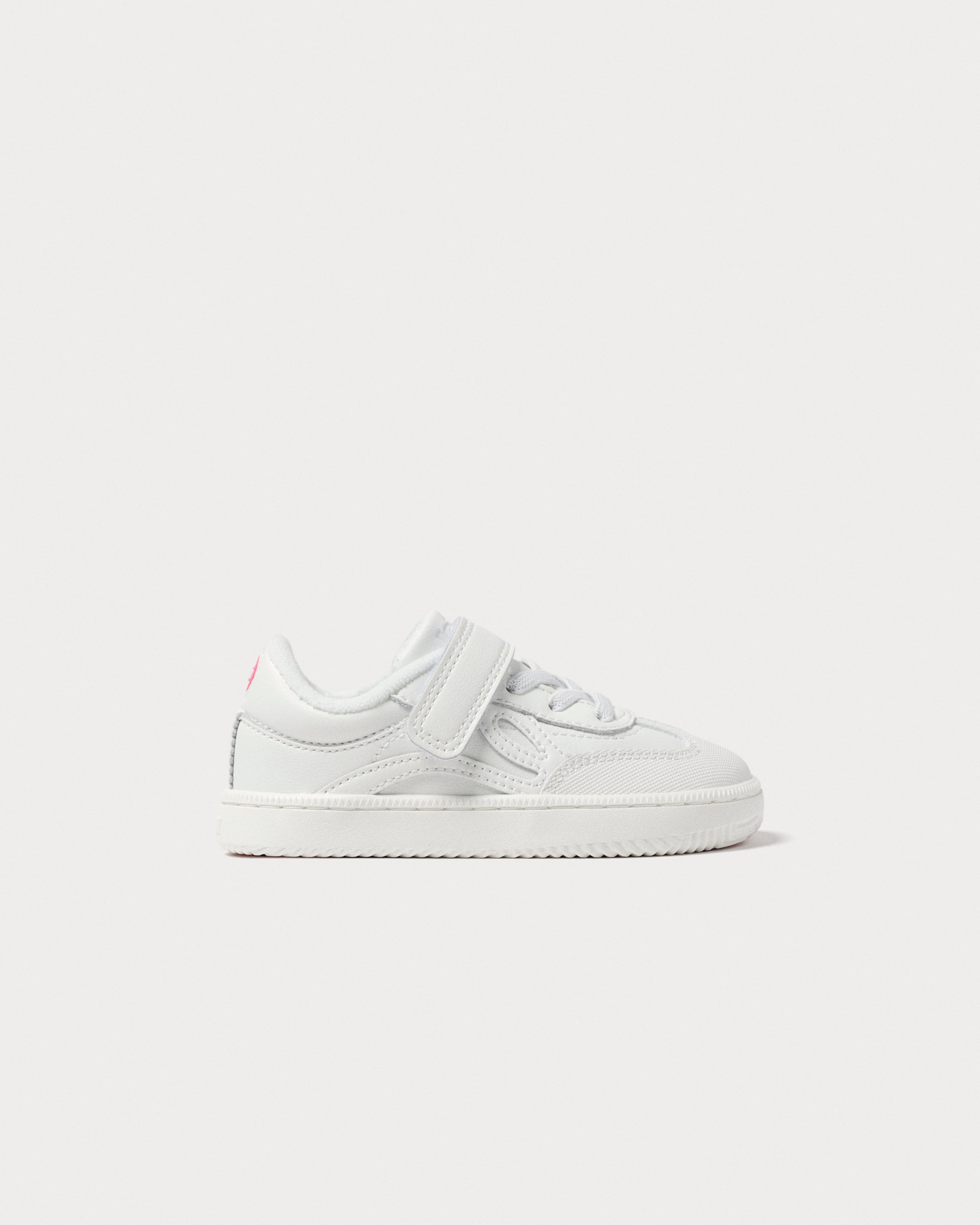
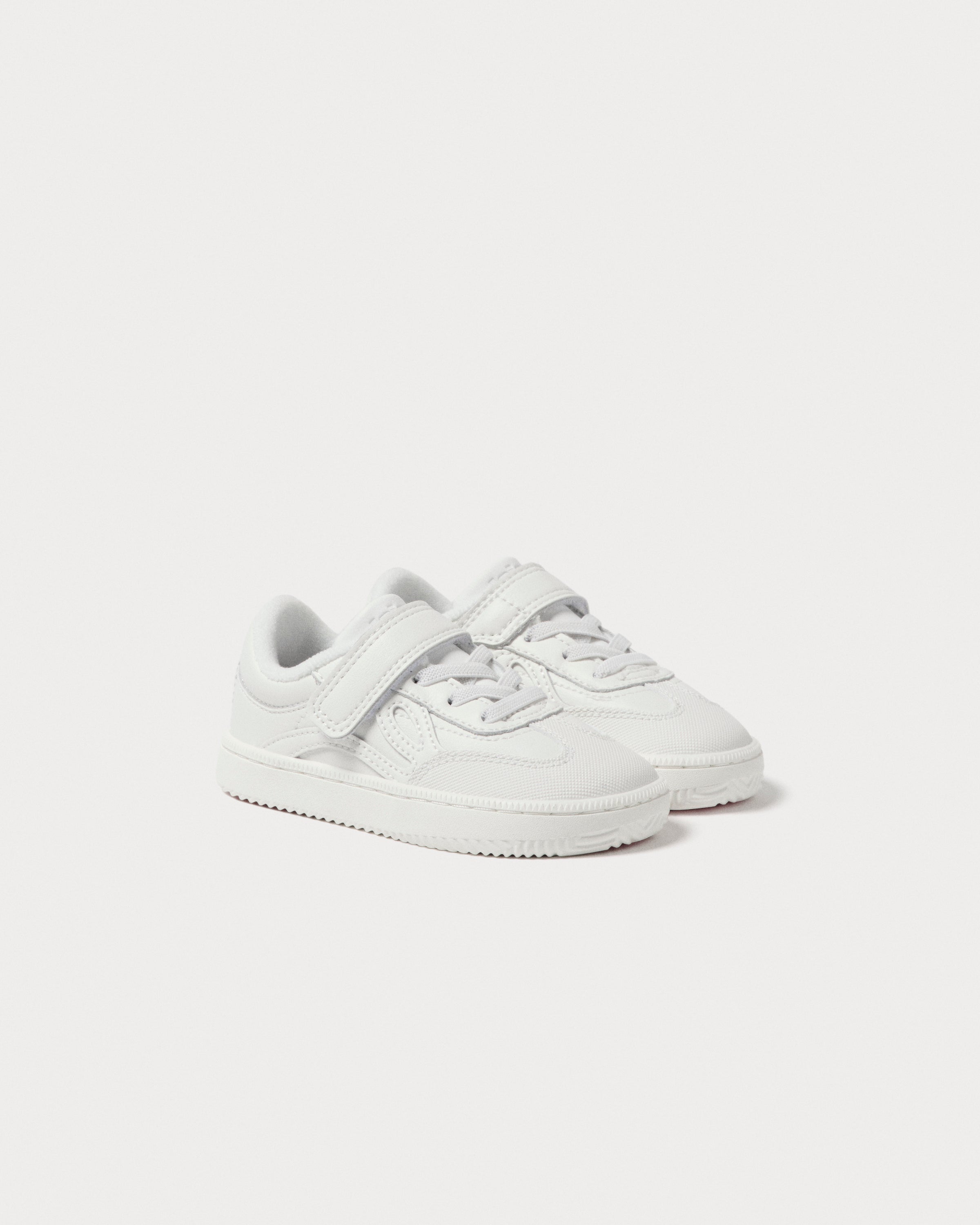
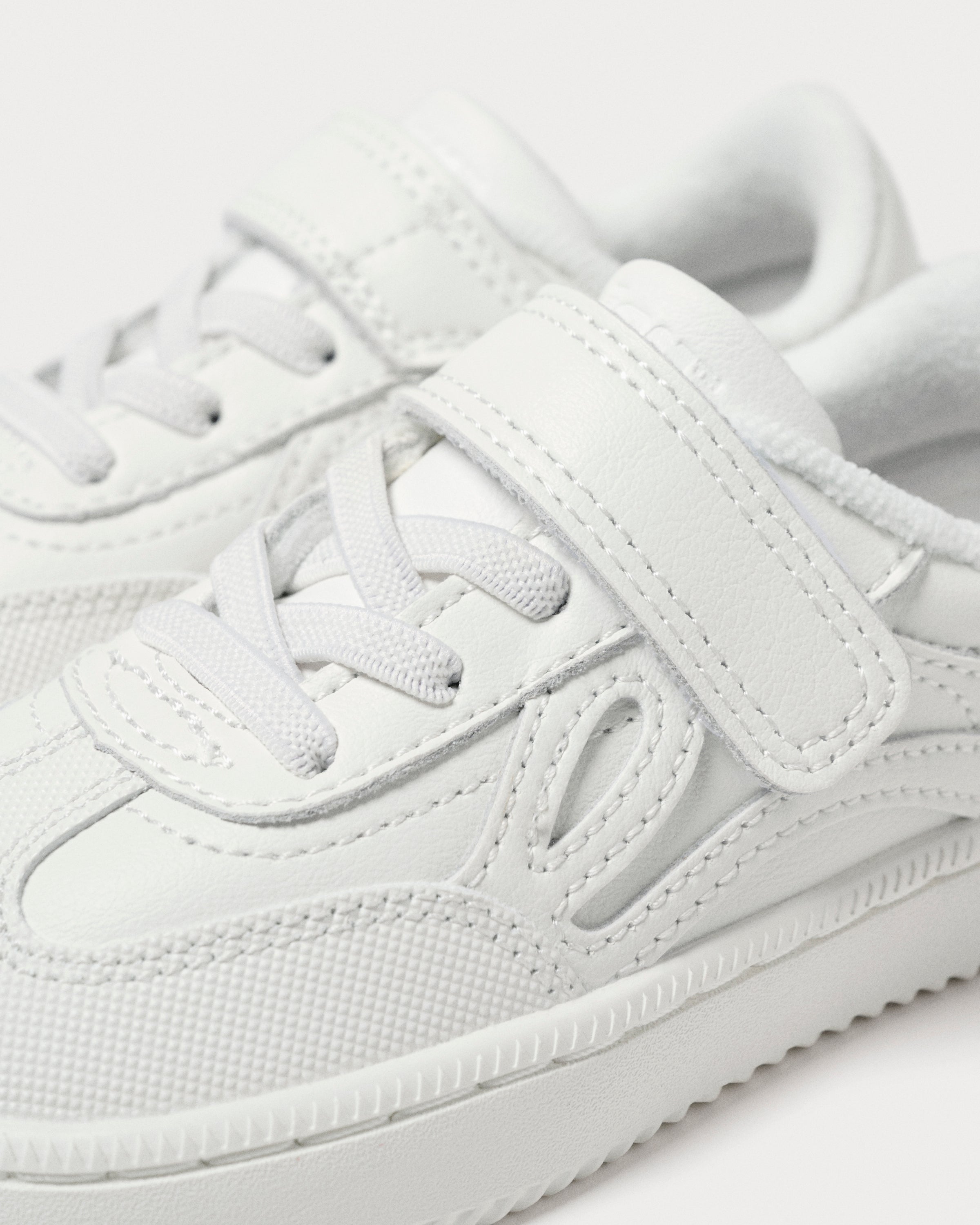
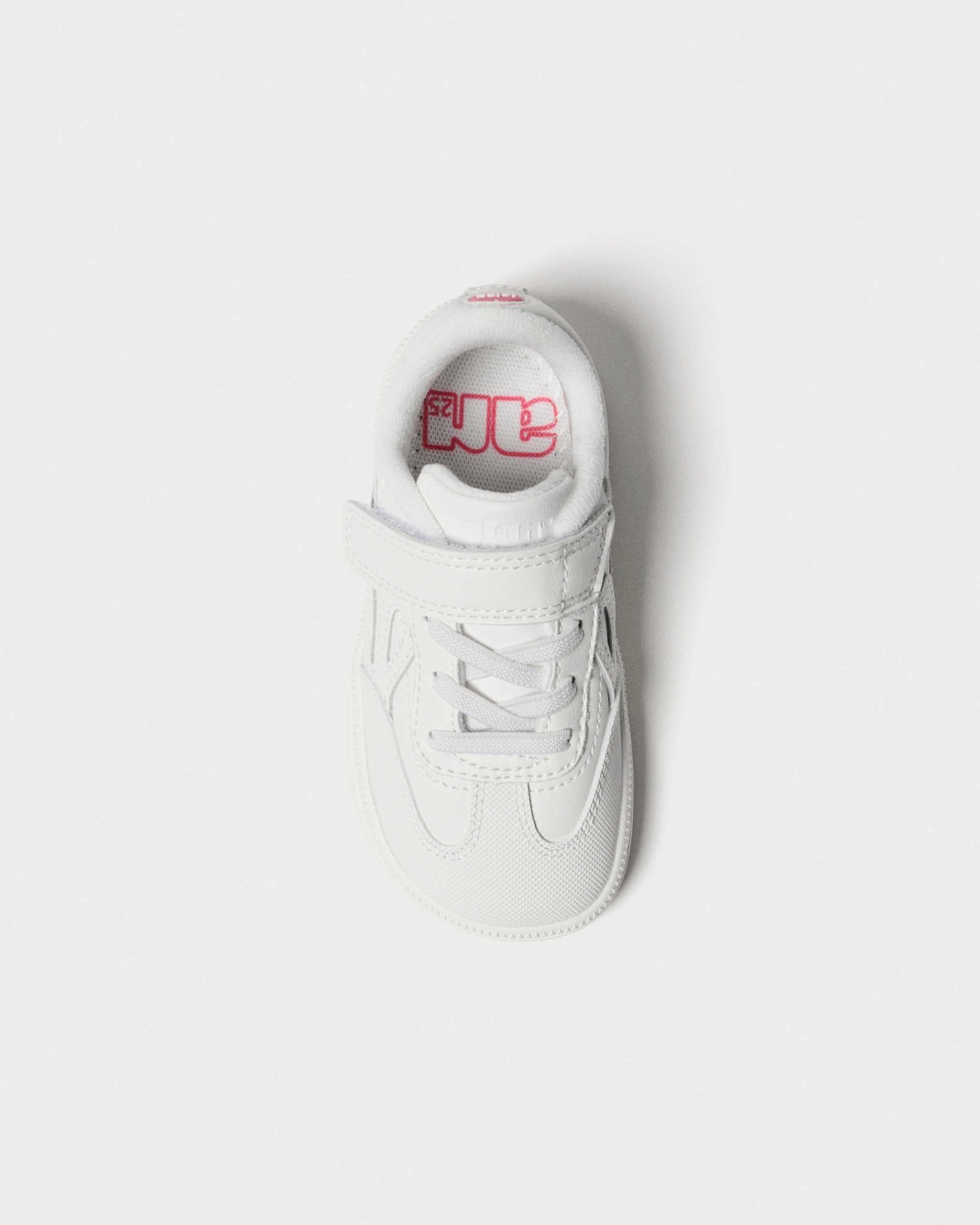
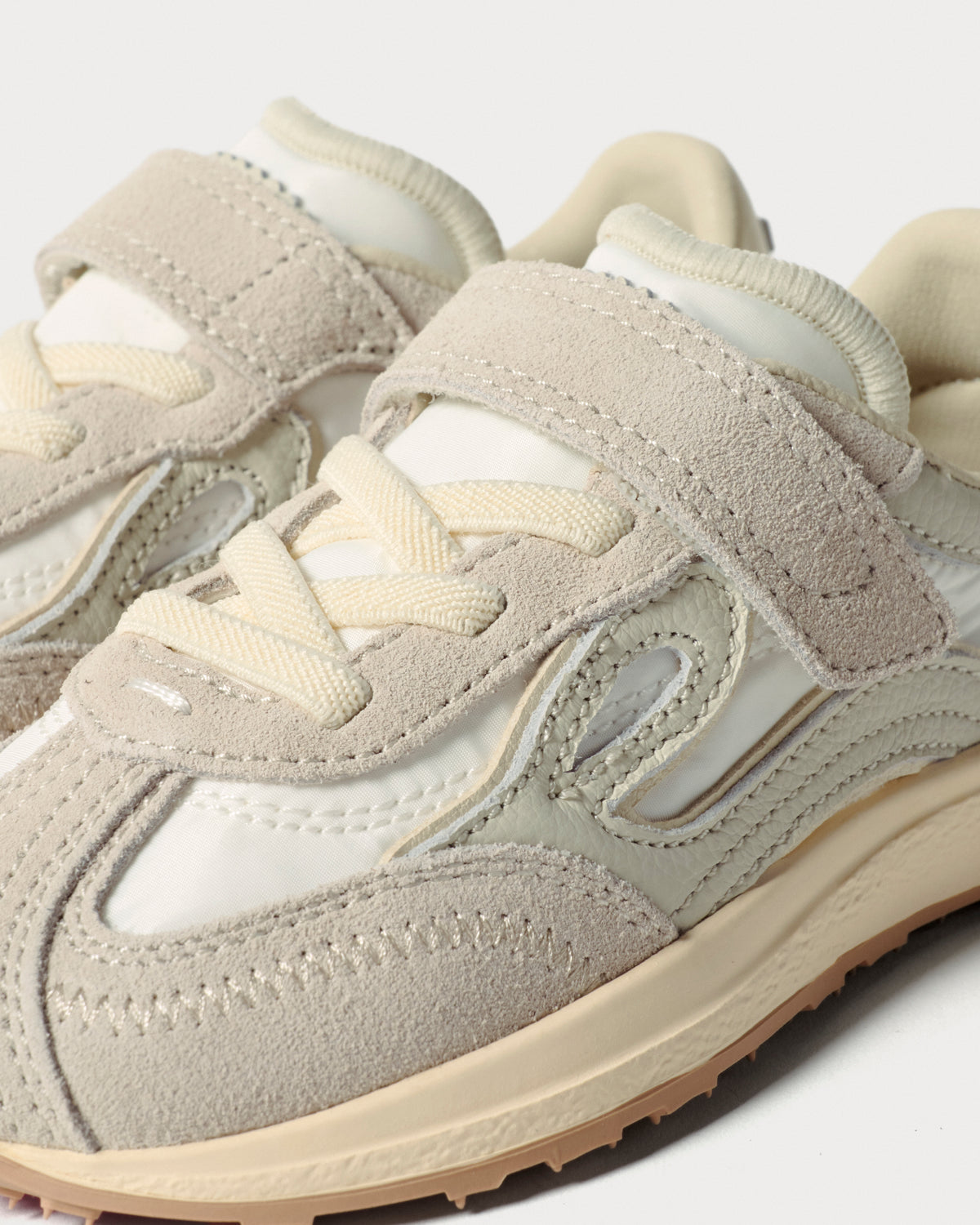
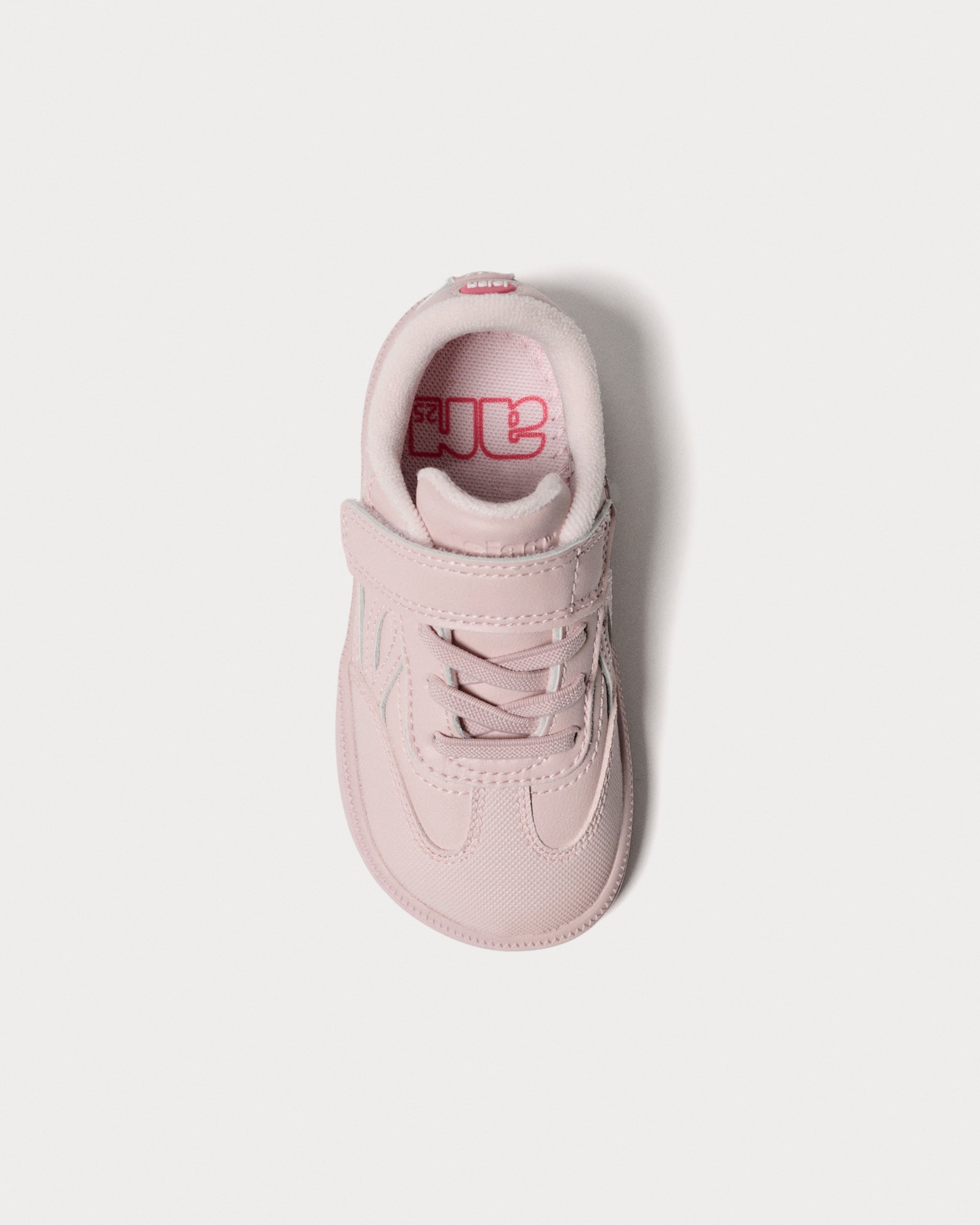
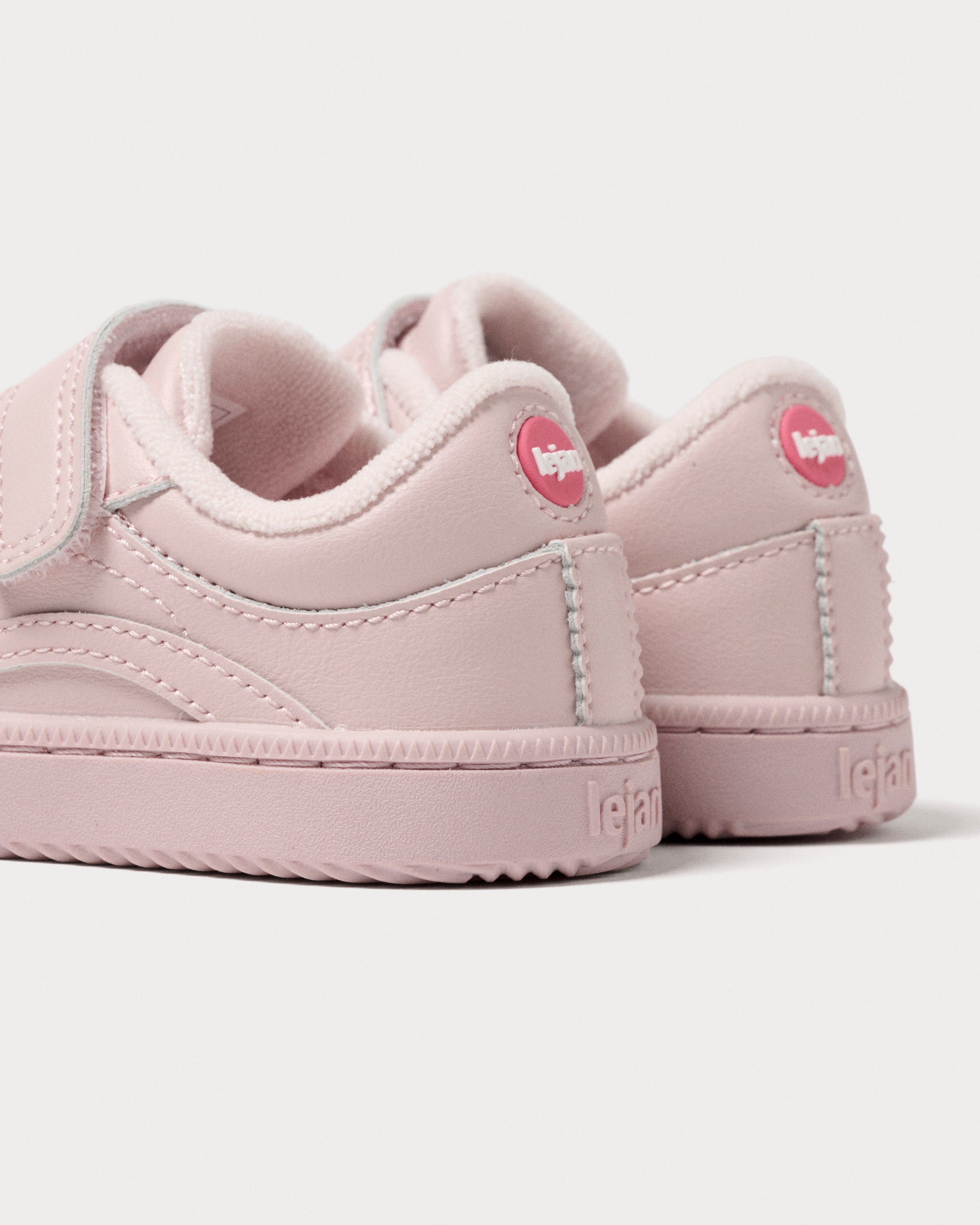
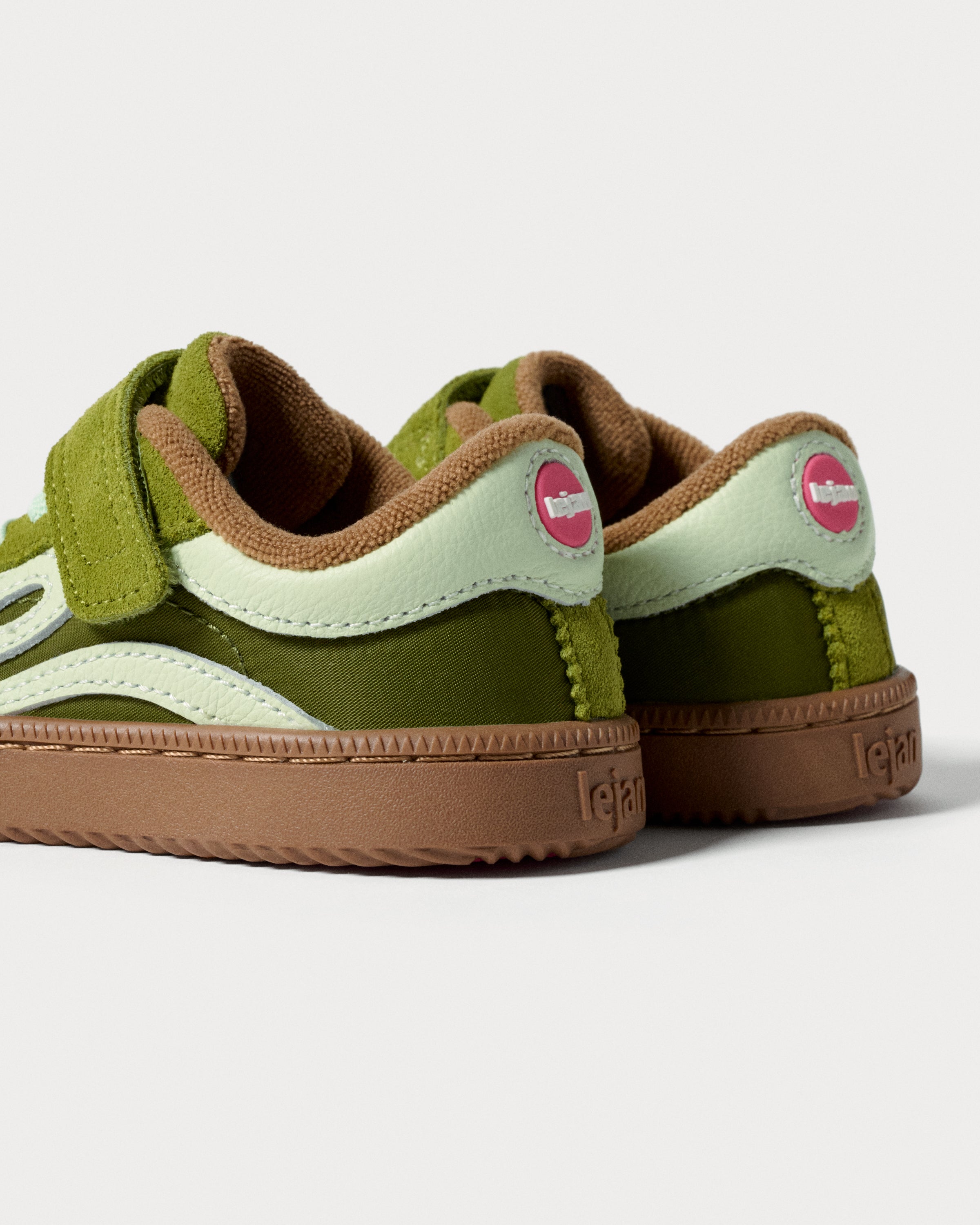
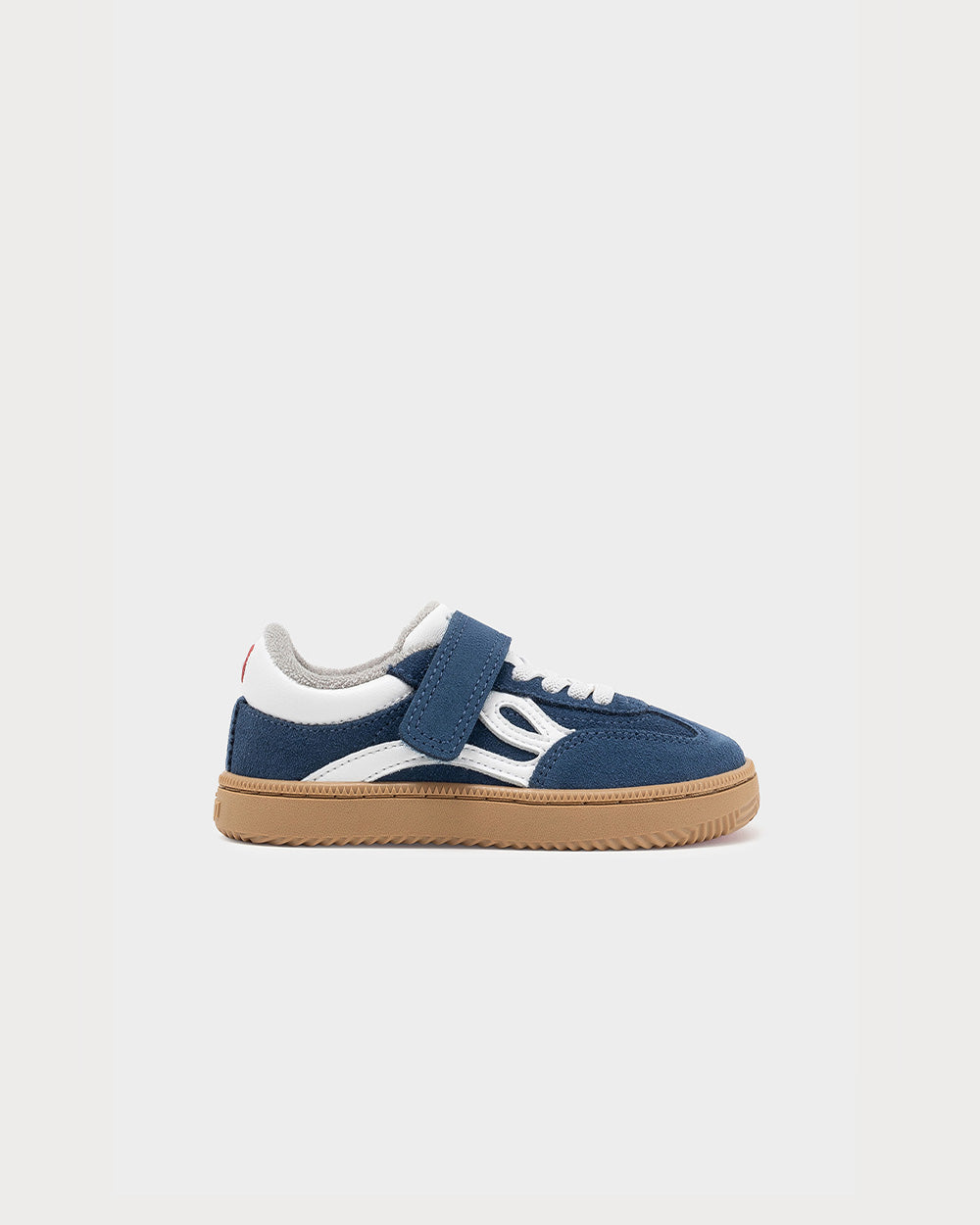
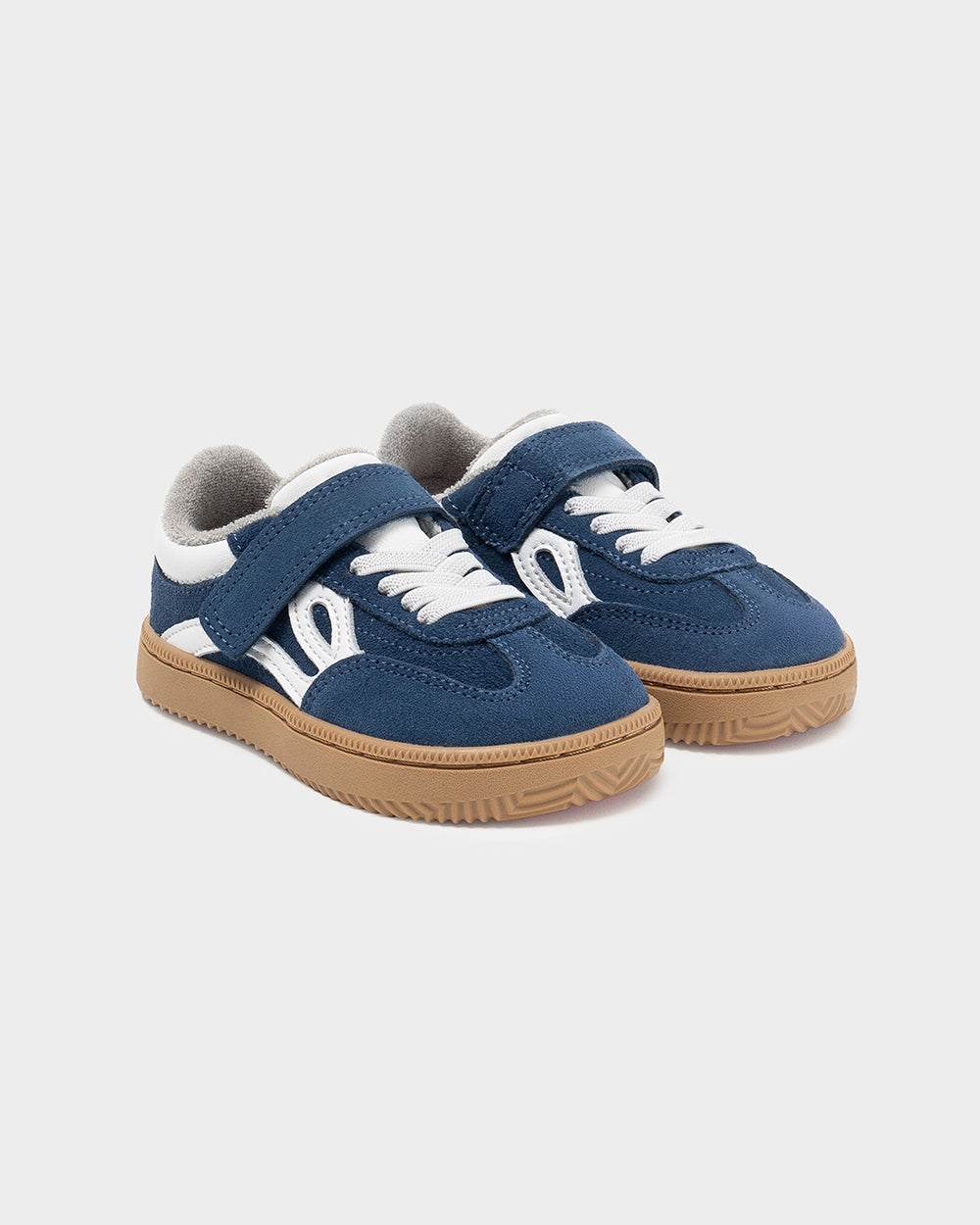
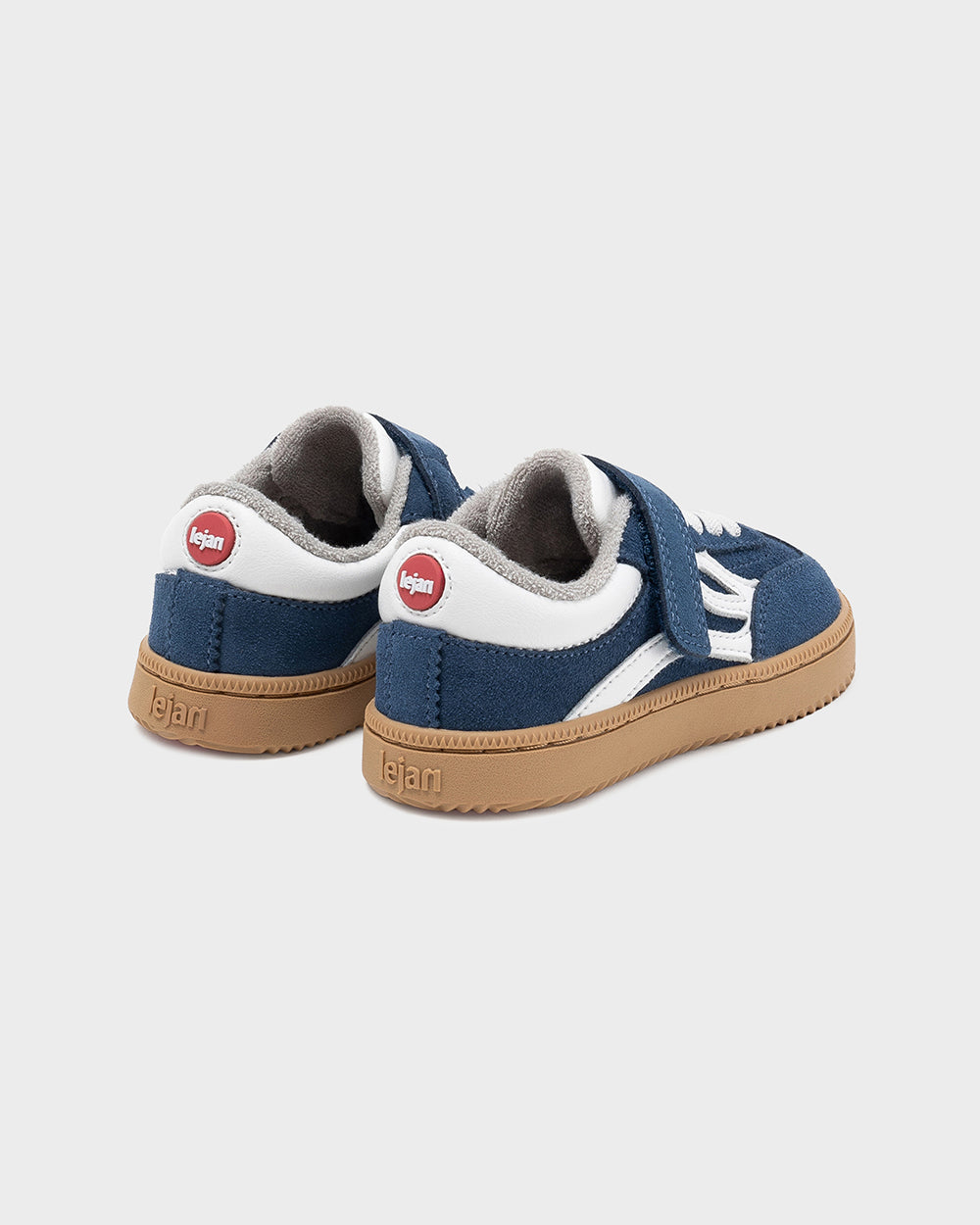
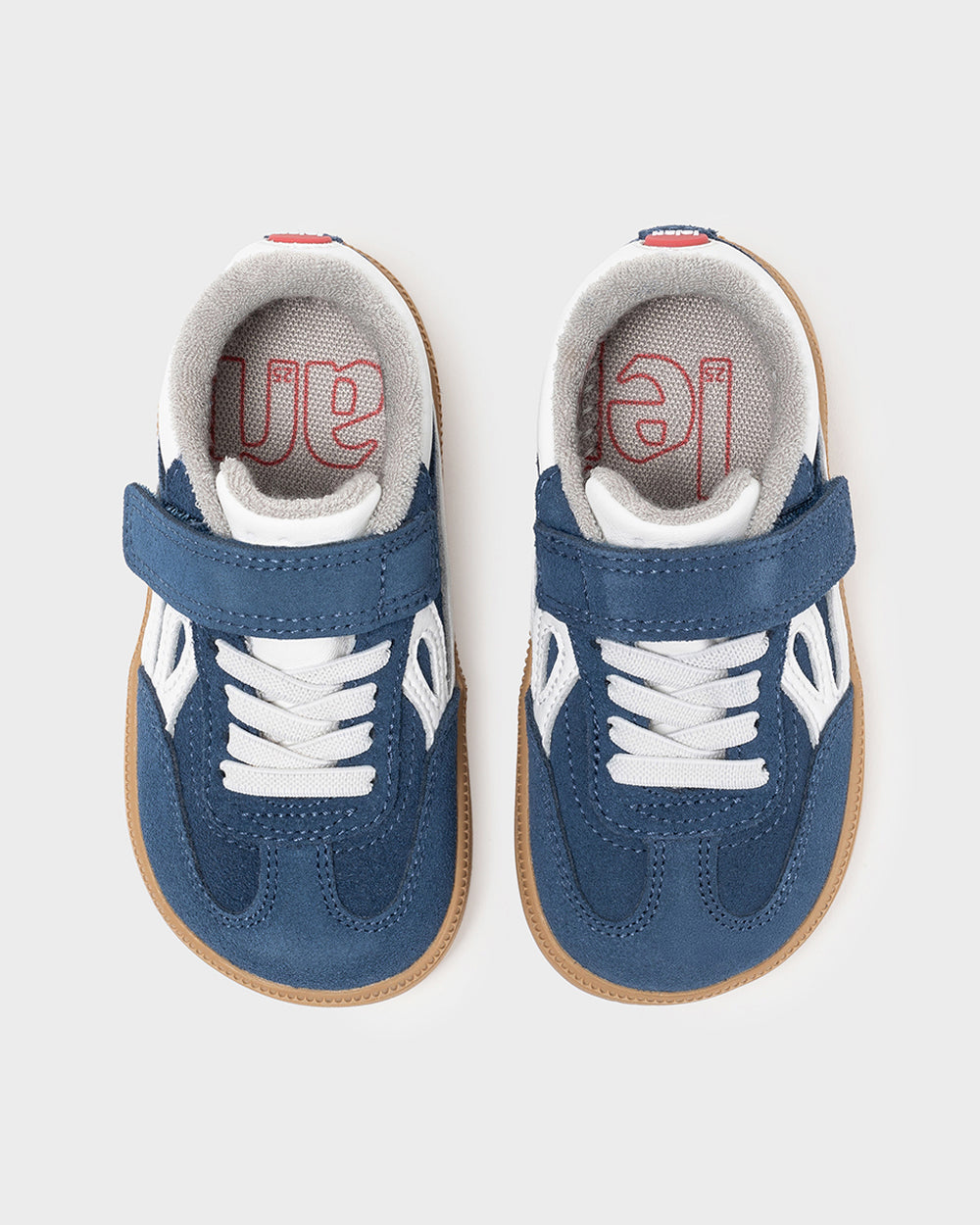
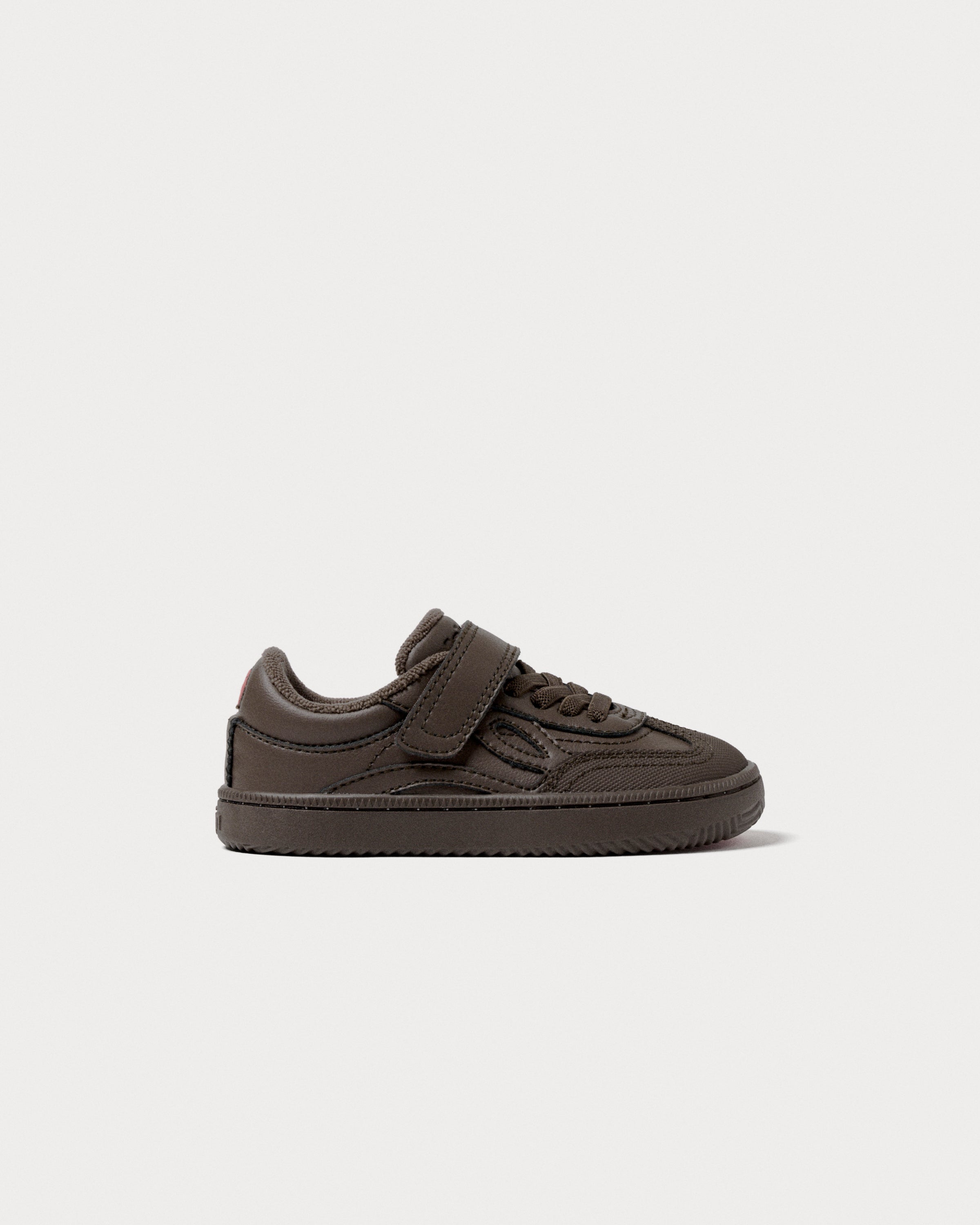
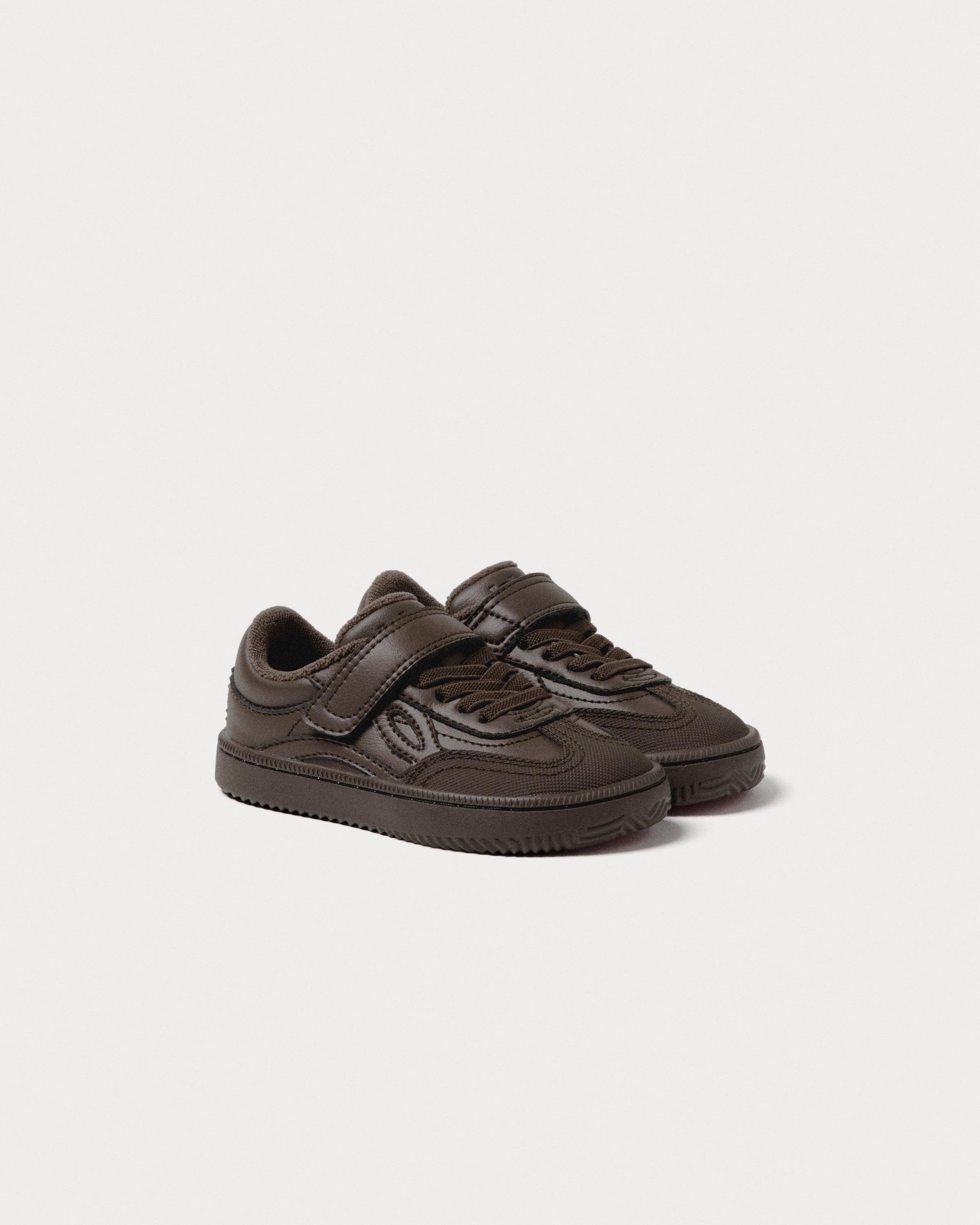
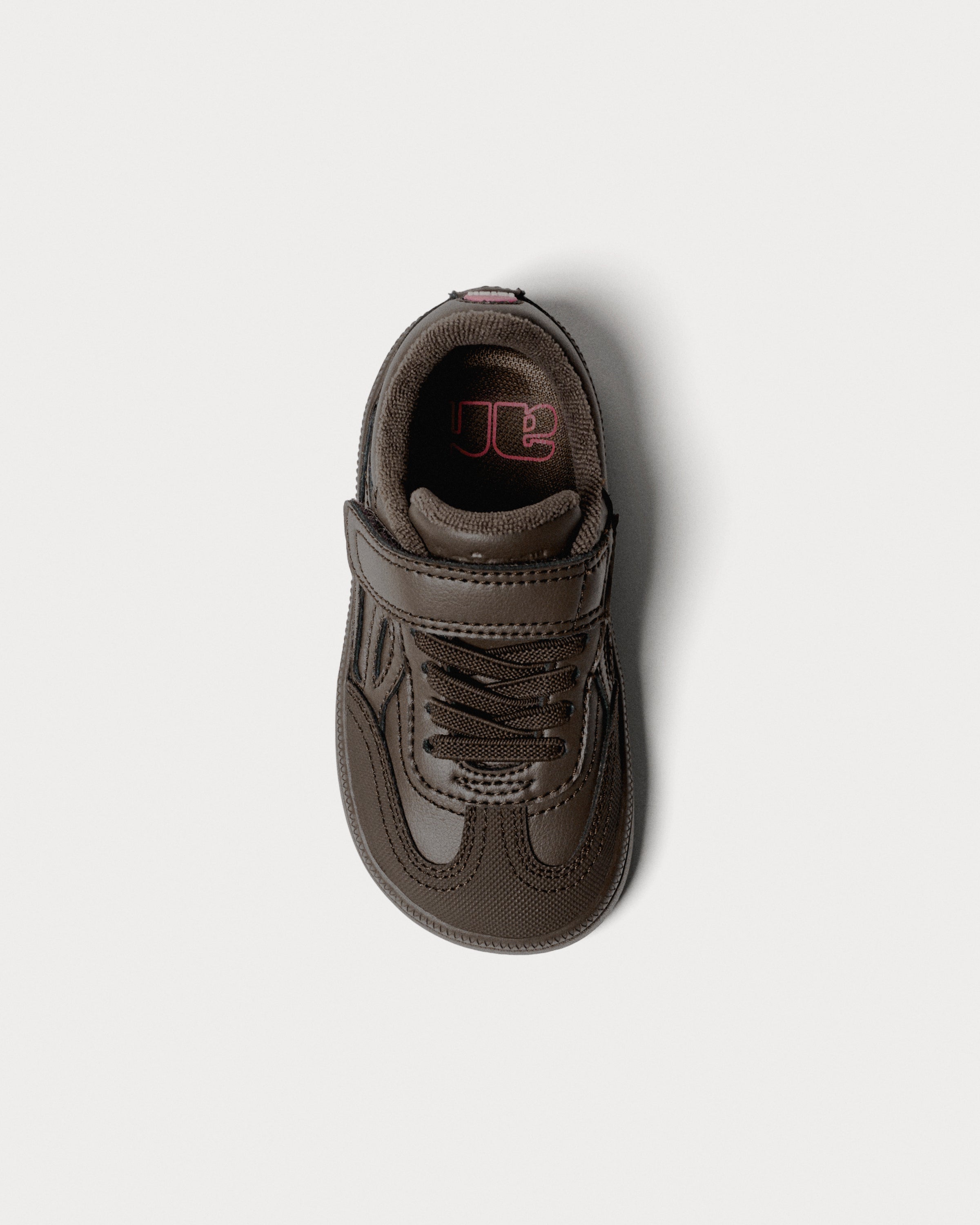
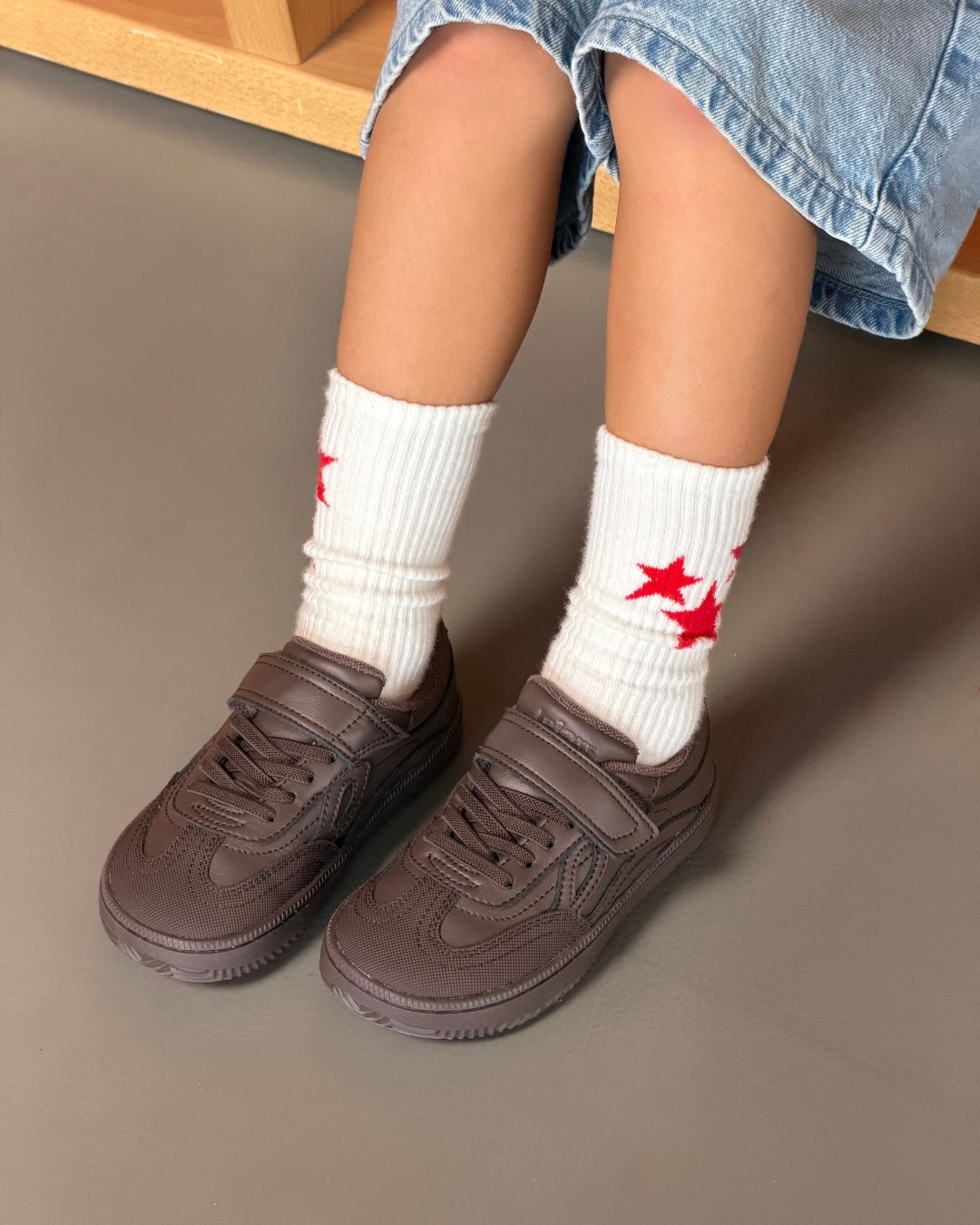
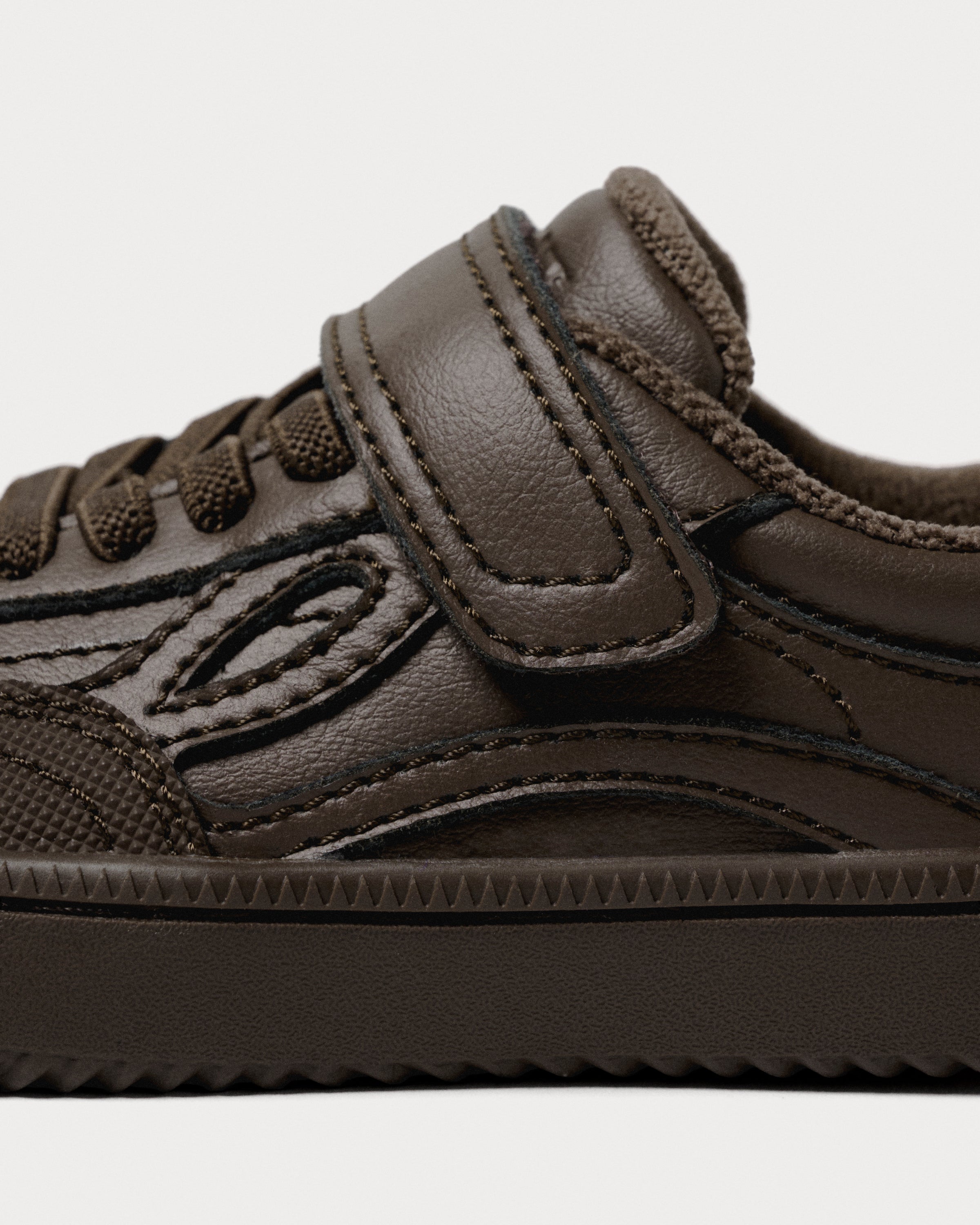
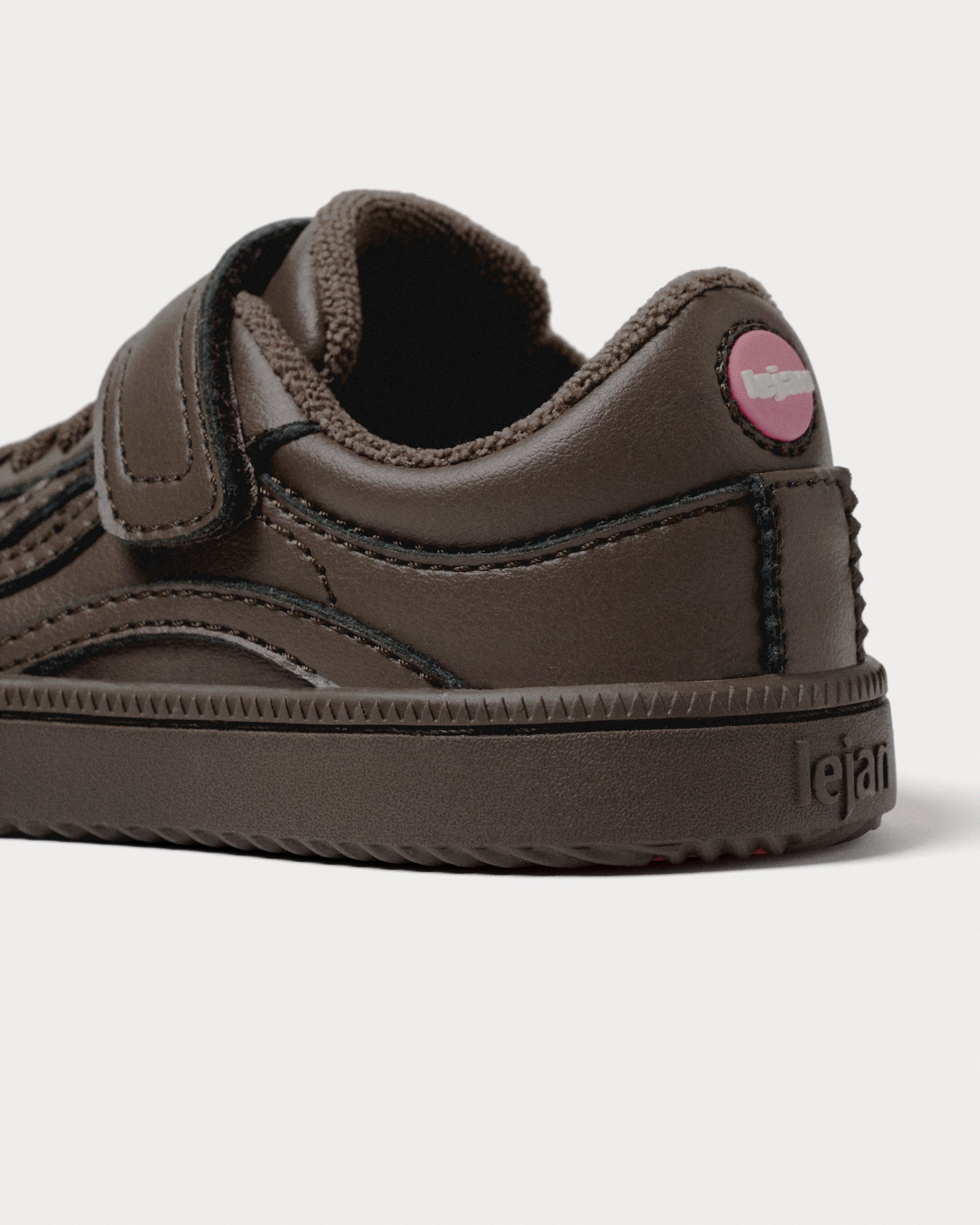
Features of respectful footwear in first steps
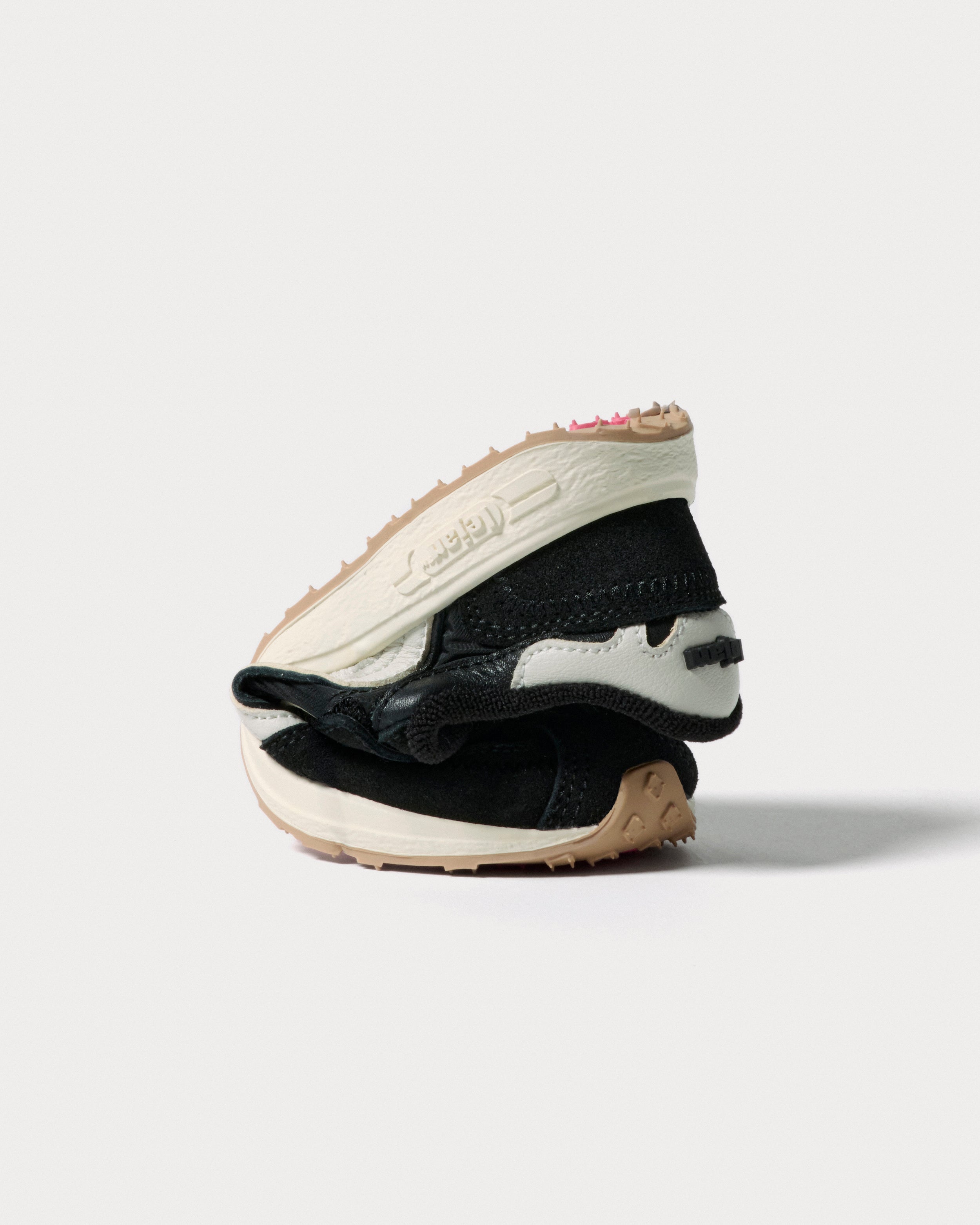
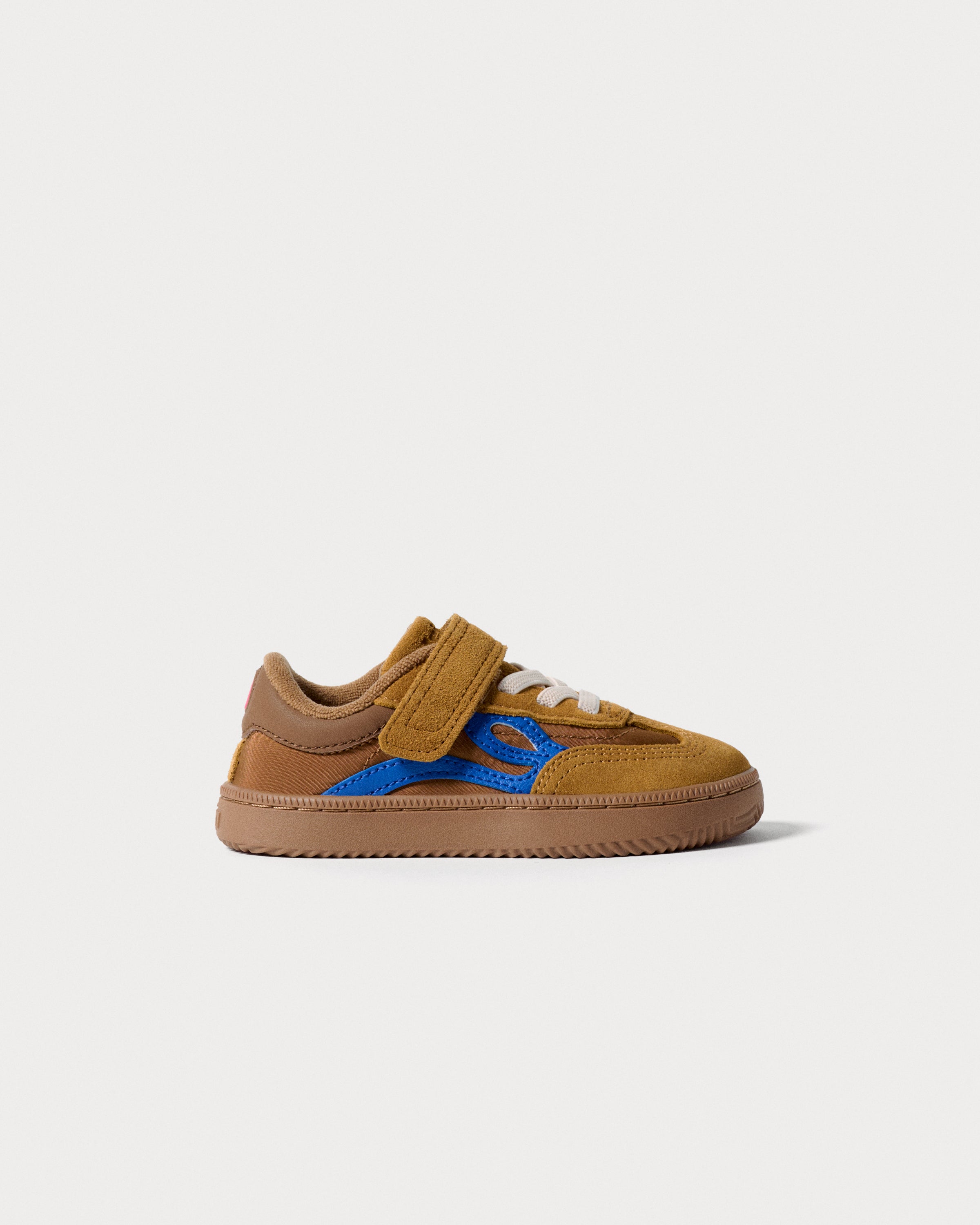
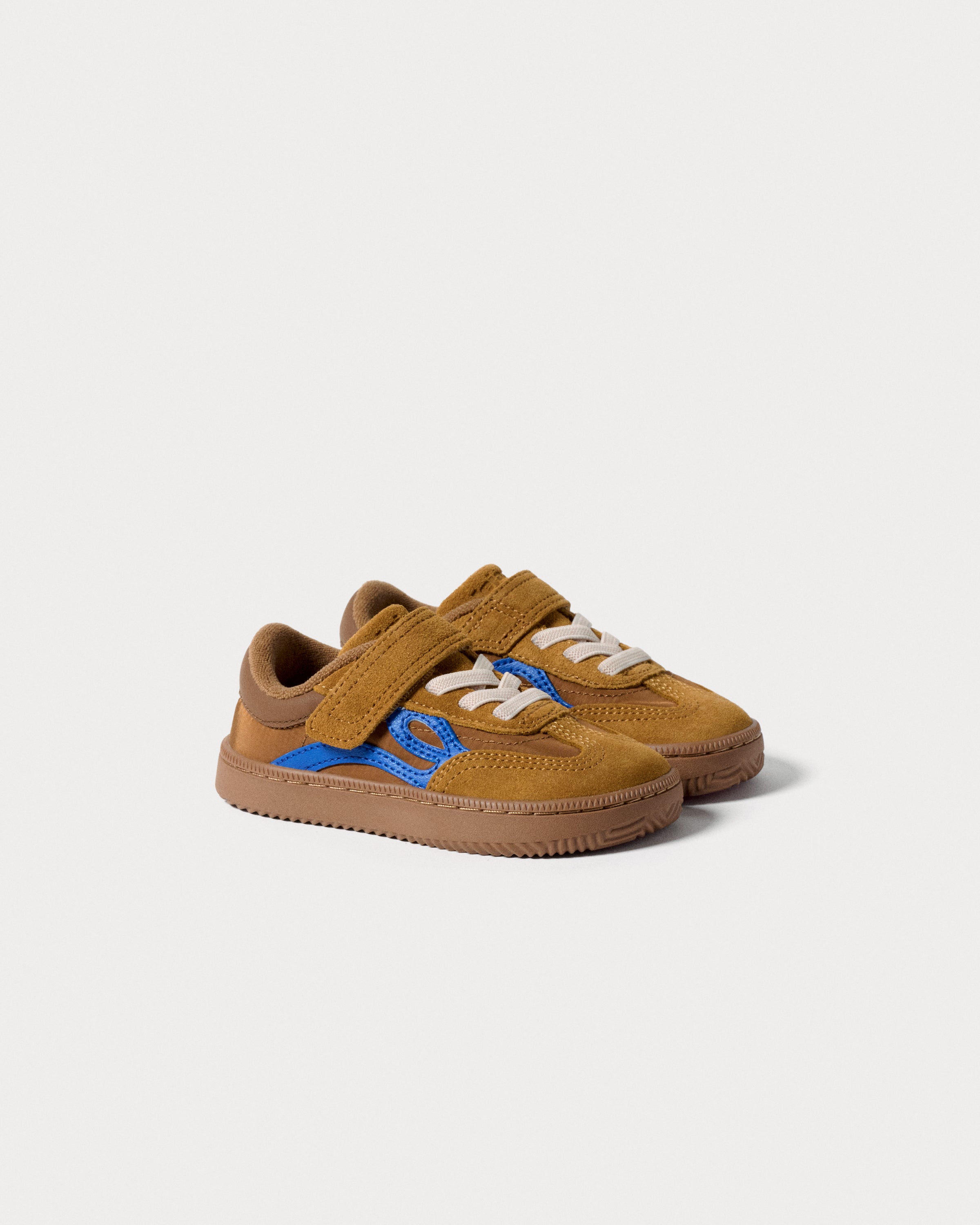
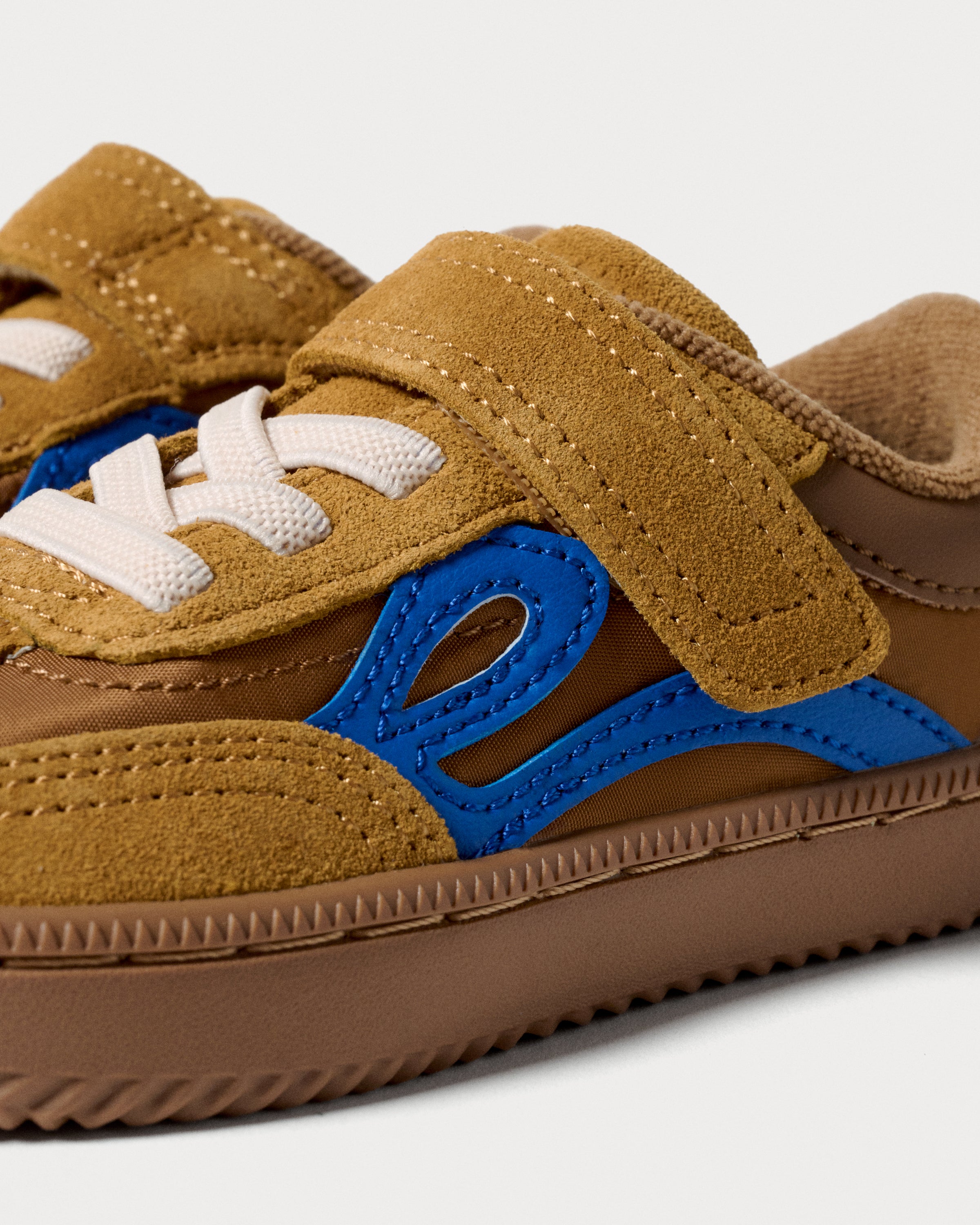
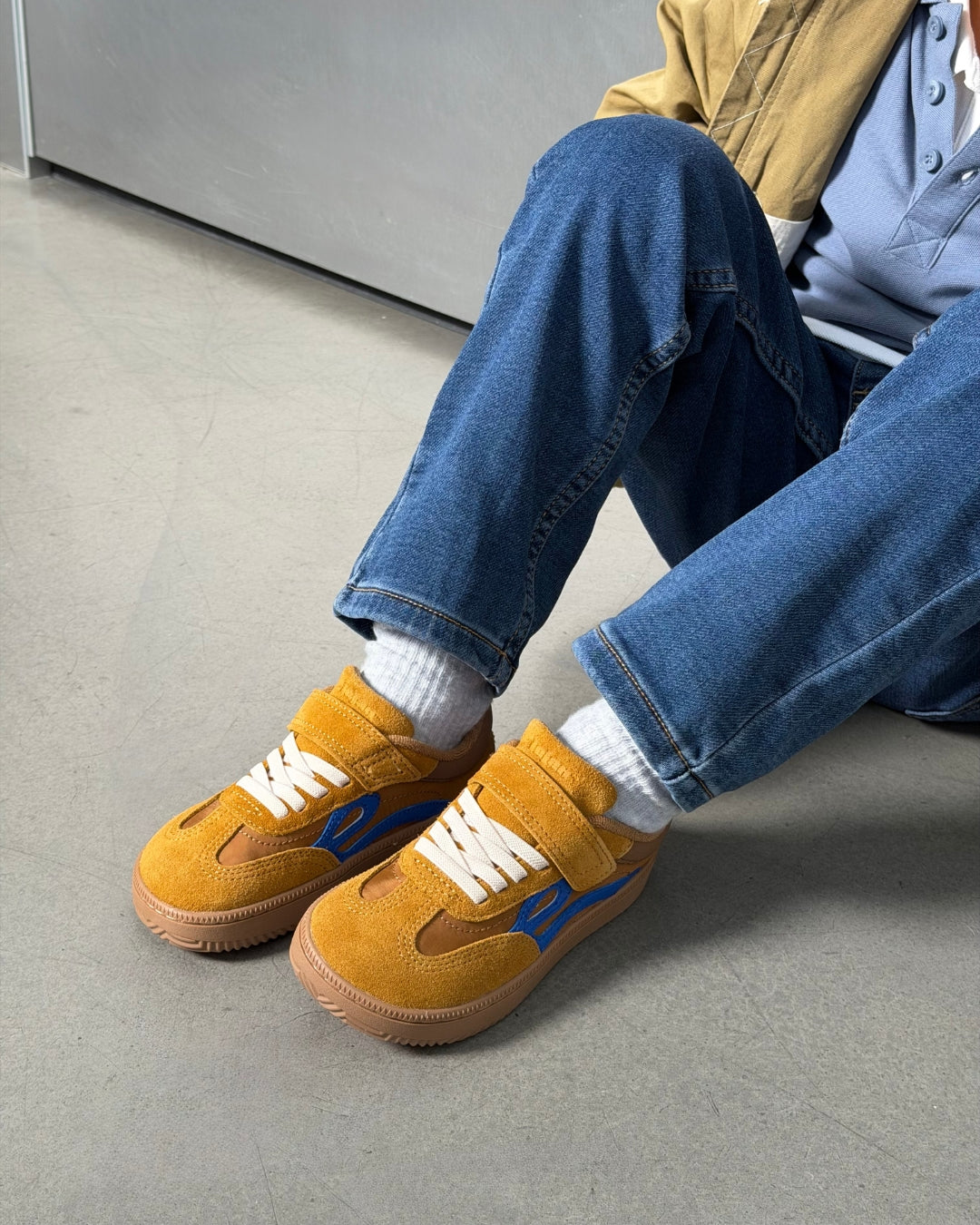
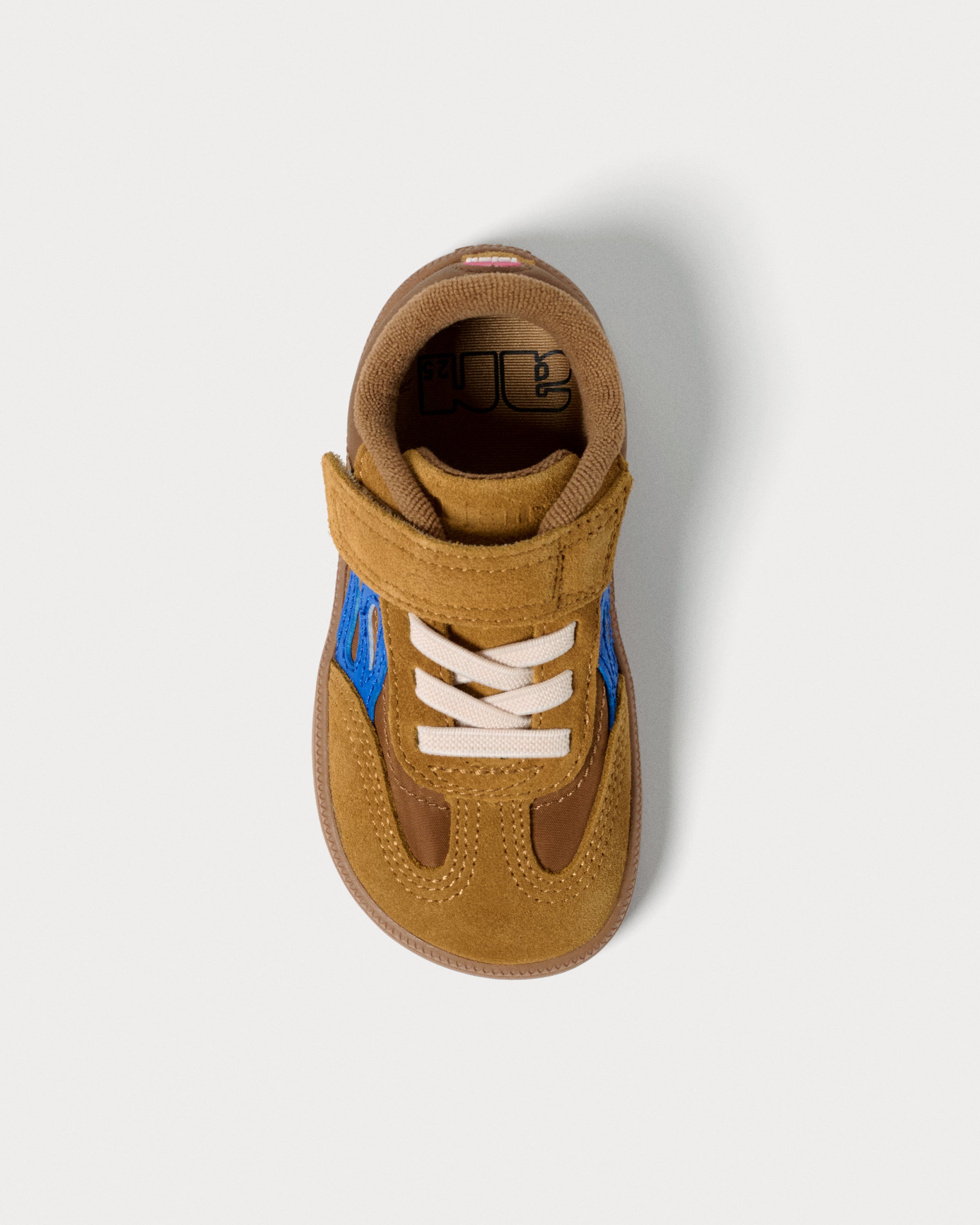
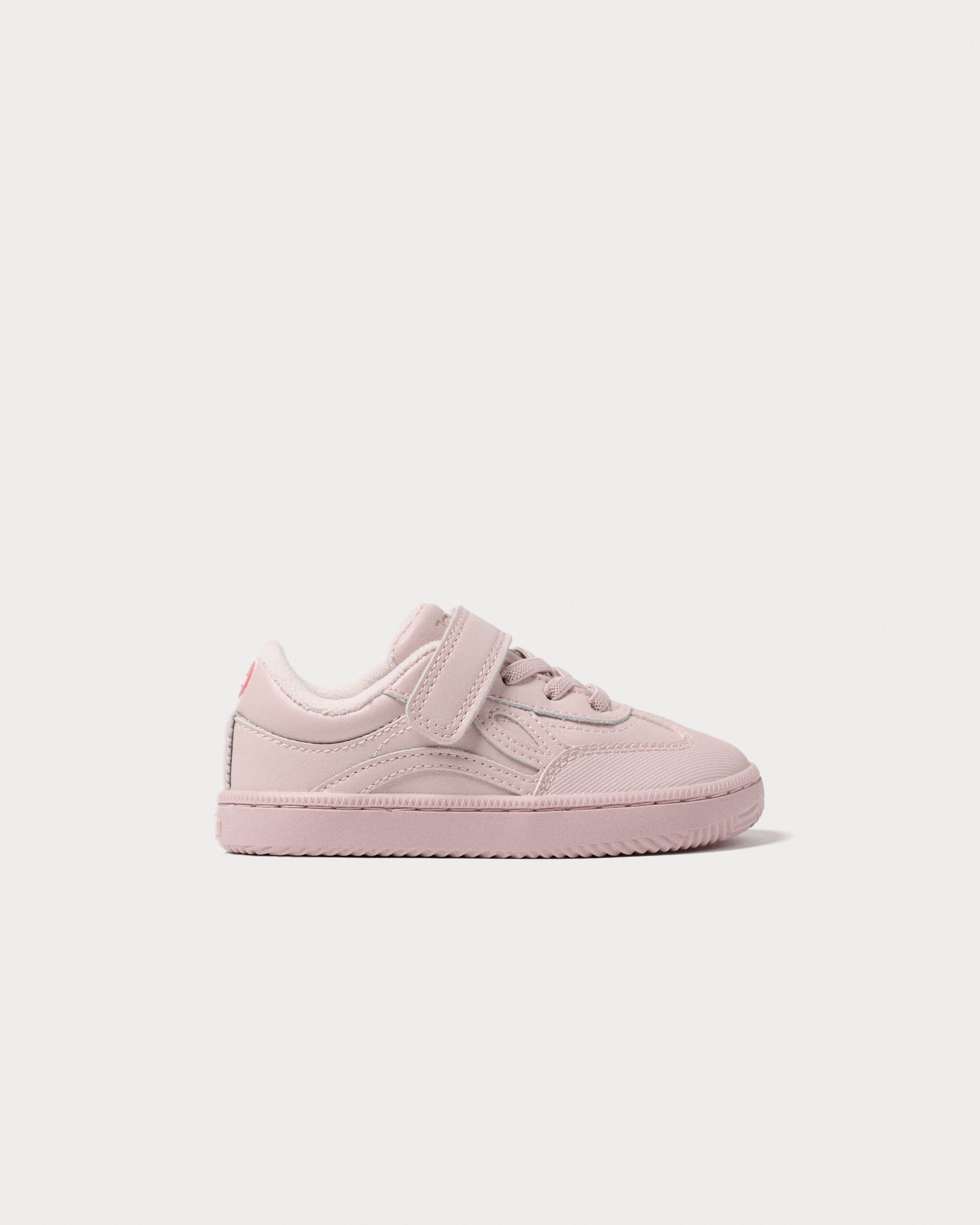
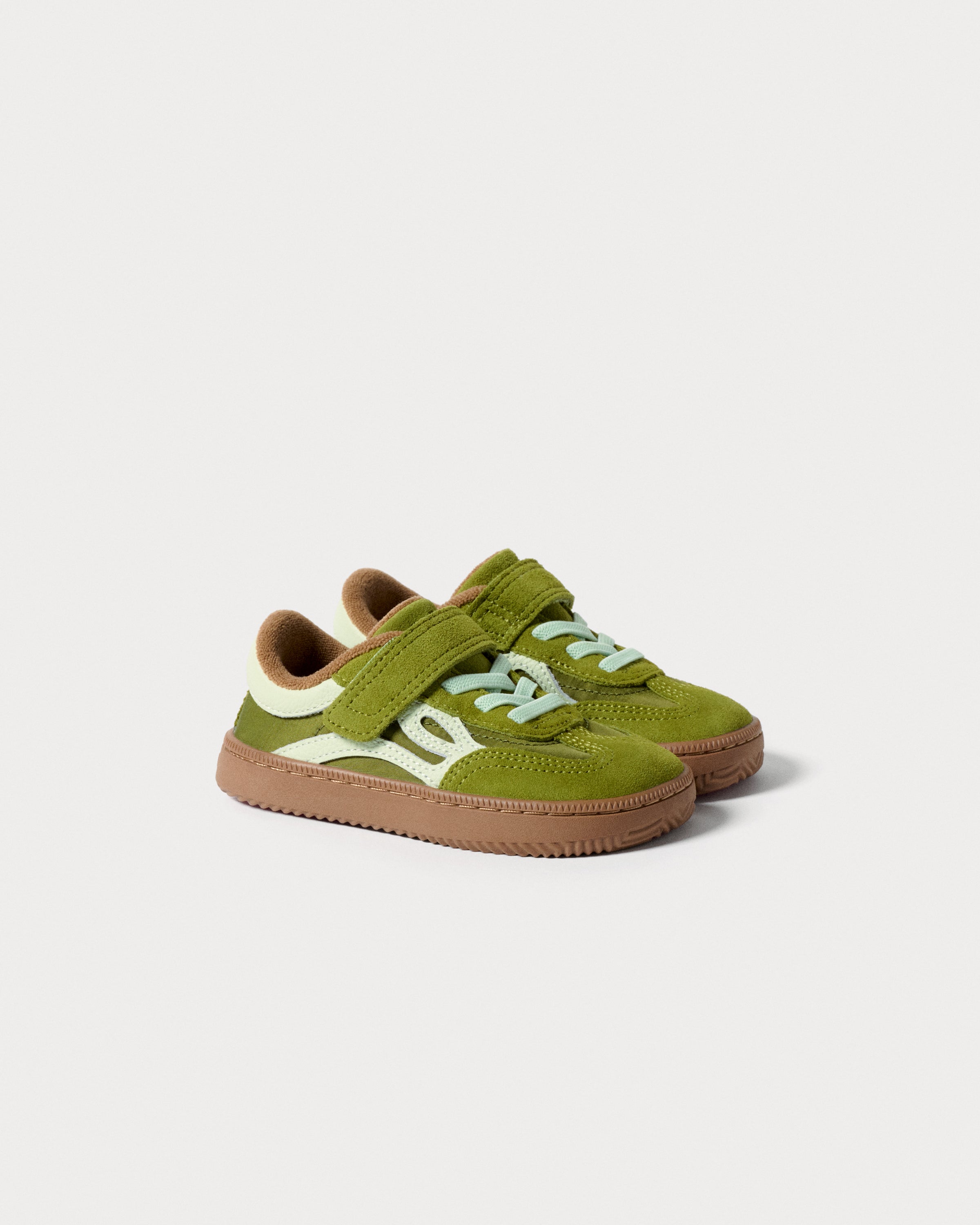
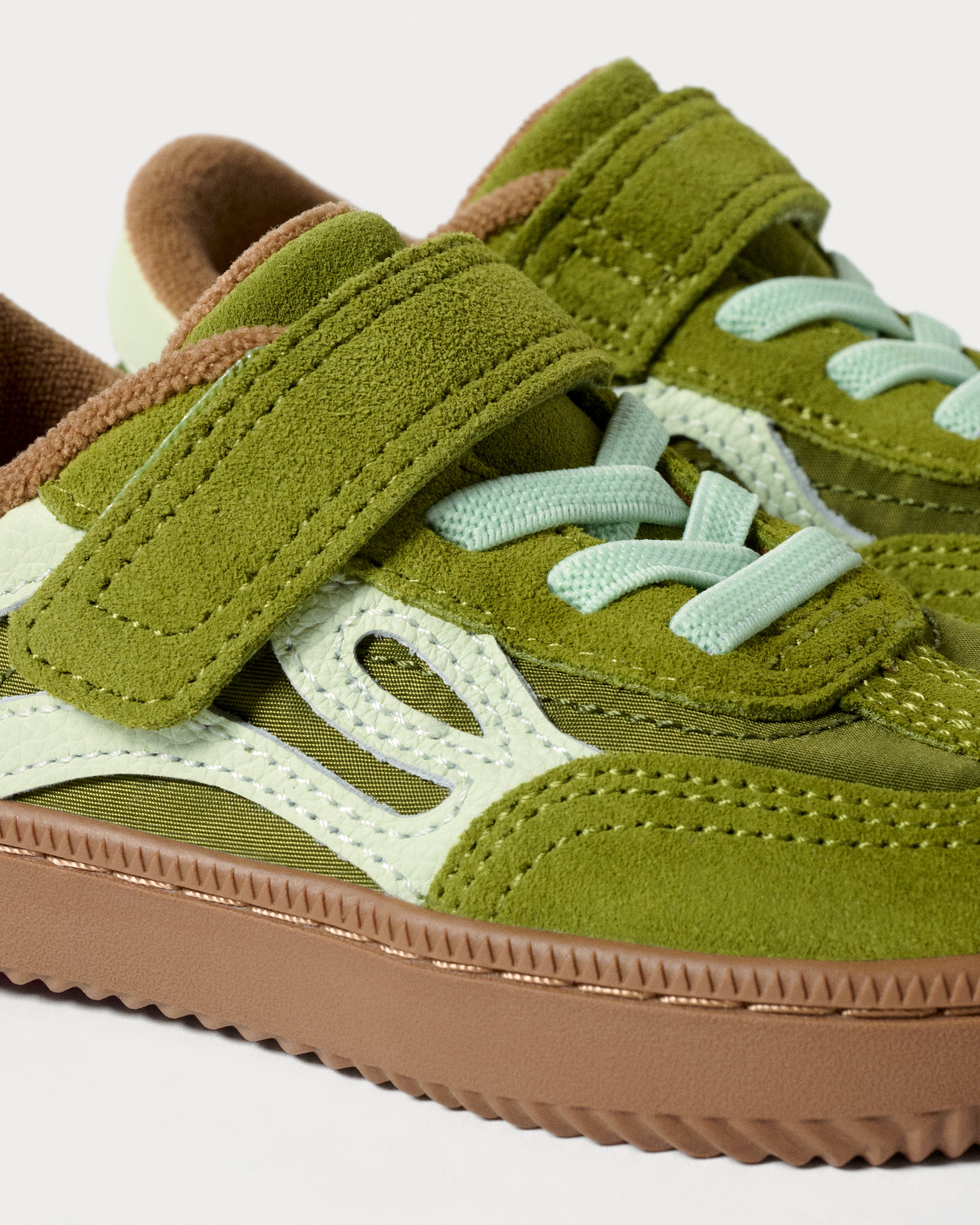
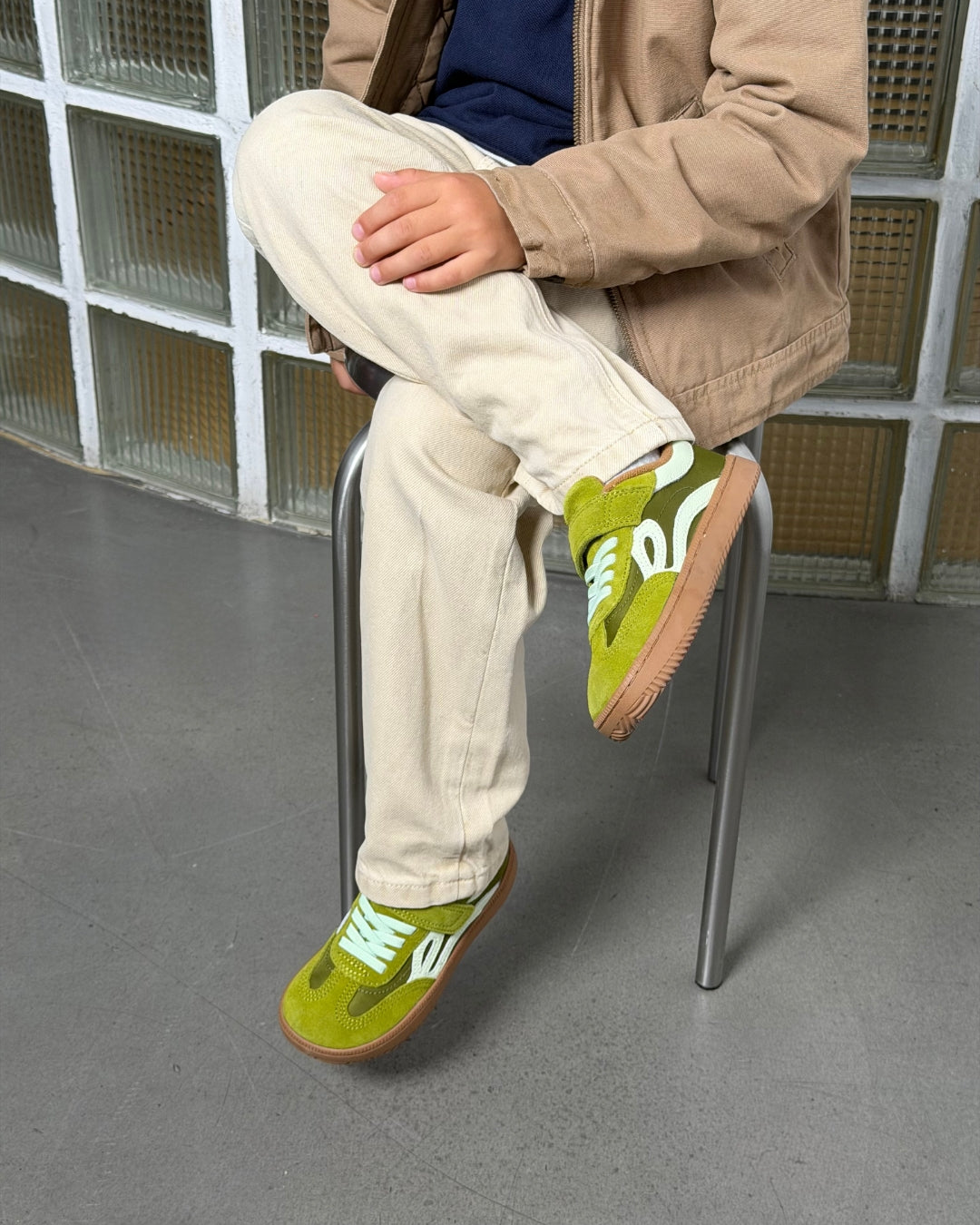
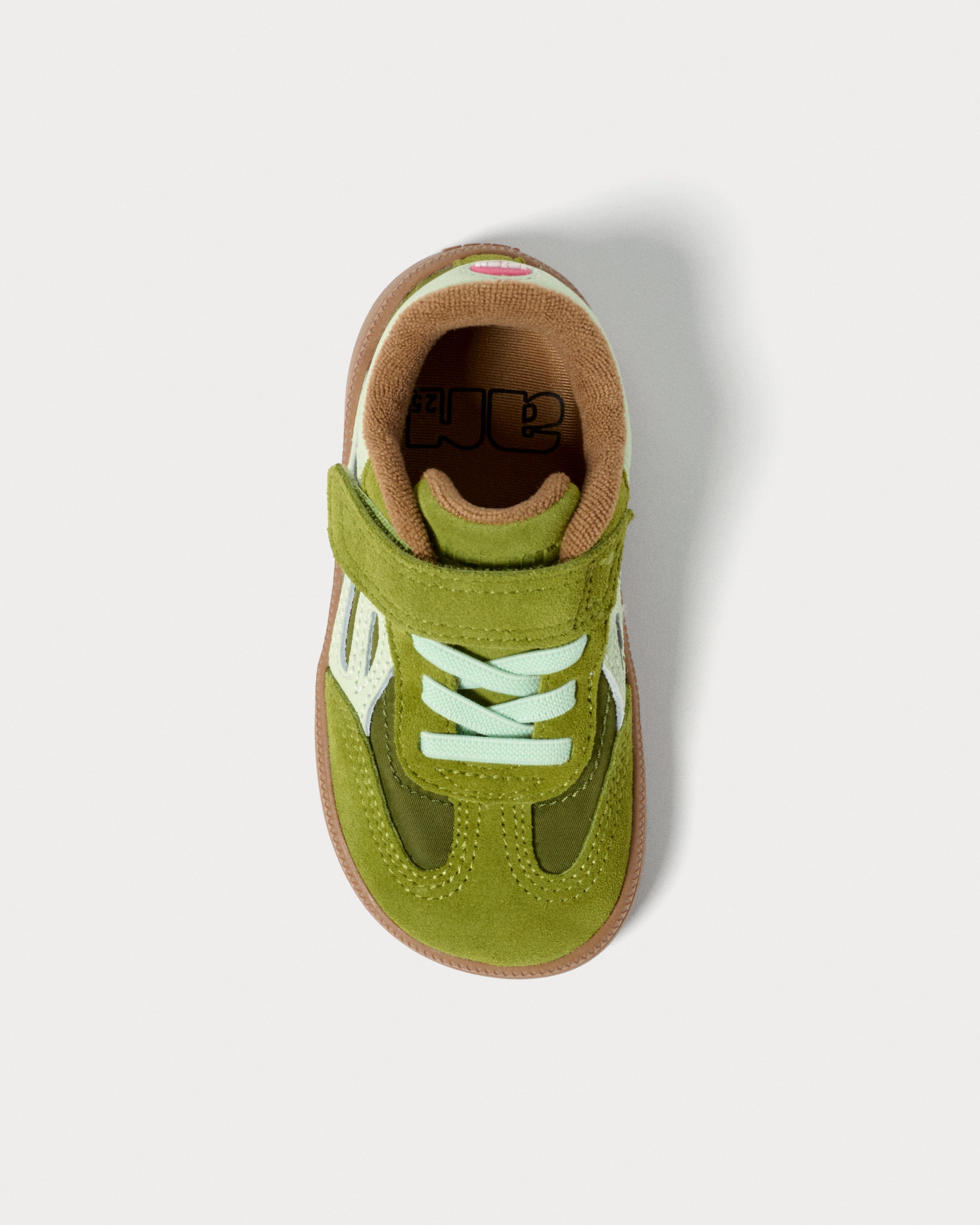
When footwear is needed (street, cold, protection), the important thing is not to block movement. The footwear should be:
- Light.
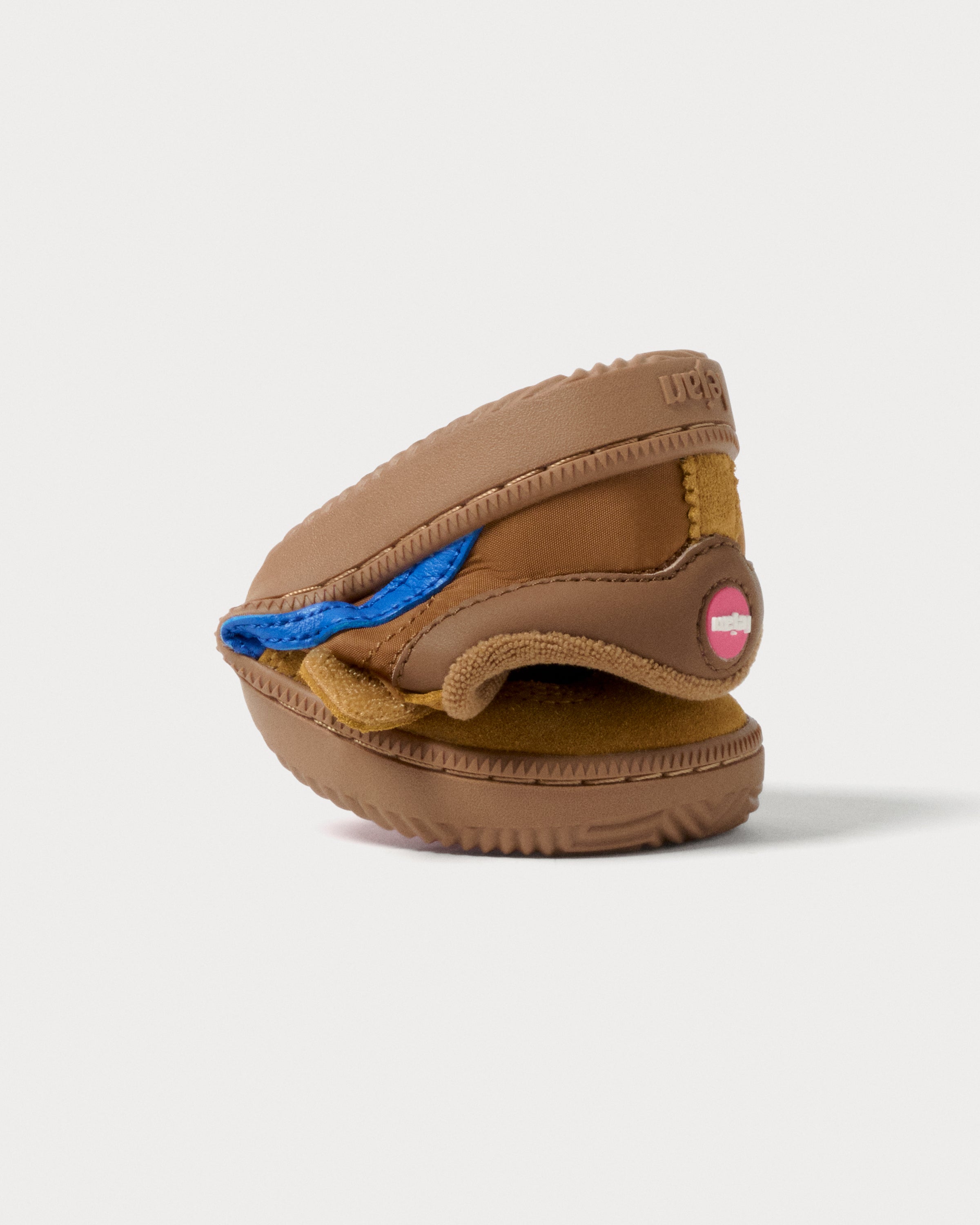
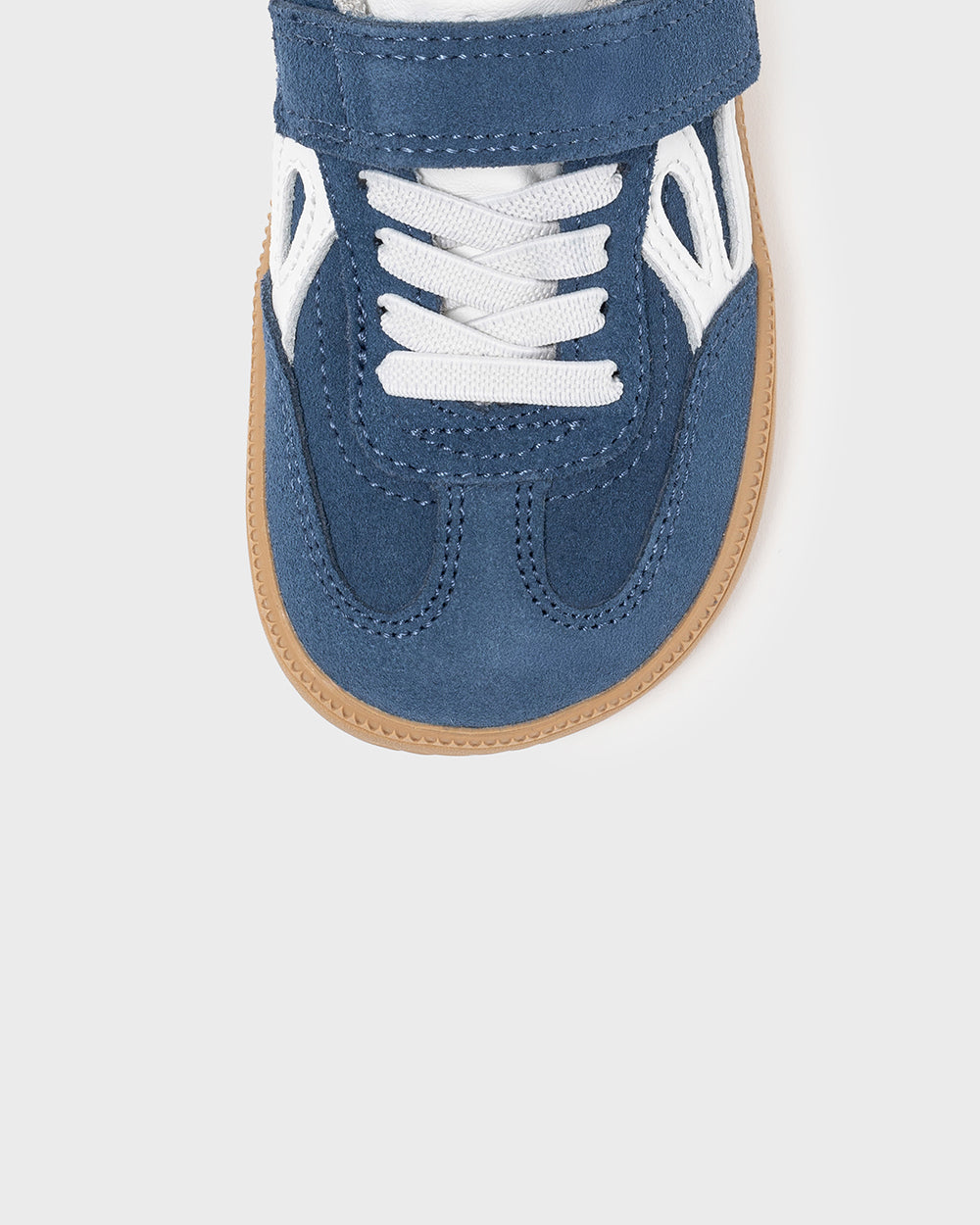
- Flexible, especially at the forefoot (it should bend where the toes bend).
- Wide toe box (real space for the toes).
- Without unnecessary rigidities that limit the foot's natural mobility.
-
Drop 0 (same height at the heel as at the toe).
Common mistakes when choosing the first shoe
- Buying based on "rigid support" (it can limit movement more than necessary).
-
Narrow toe box.
Frequently asked questions about baby walking development
Is it normal not to be walking at a year old?
Yes. There's a lot of variability. As a reference, walking without support can happen up to 18 months in many children; at 12 months they may still be in supported standing or floor movement.
What if they skip crawling?
It doesn't necessarily imply a problem. Some babies move in other ways. Even so, it usually helps to ensure floor time and varied motor play.
How long does walking take to stabilize?
It usually improves a lot during the months following the start: at first a wide base, arms up and falls; later, more coordination and efficiency.
Does the type of floor influence the way of walking?
Yes. Slippery or very soft surfaces can make the baby shorten steps, raise arms or look for more rigidity. That's why safe and grippy surfaces are recommended for practice.
Test your knowledge
Answer the questions to check how much you know about this topic.
1. What's a typical phase before walking alone?
2. In the first steps, what's usually most normal?
3. Which of these situations should be consulted if it persists?
4. About walking barefoot at home (safe surface), the most accurate is:

Share