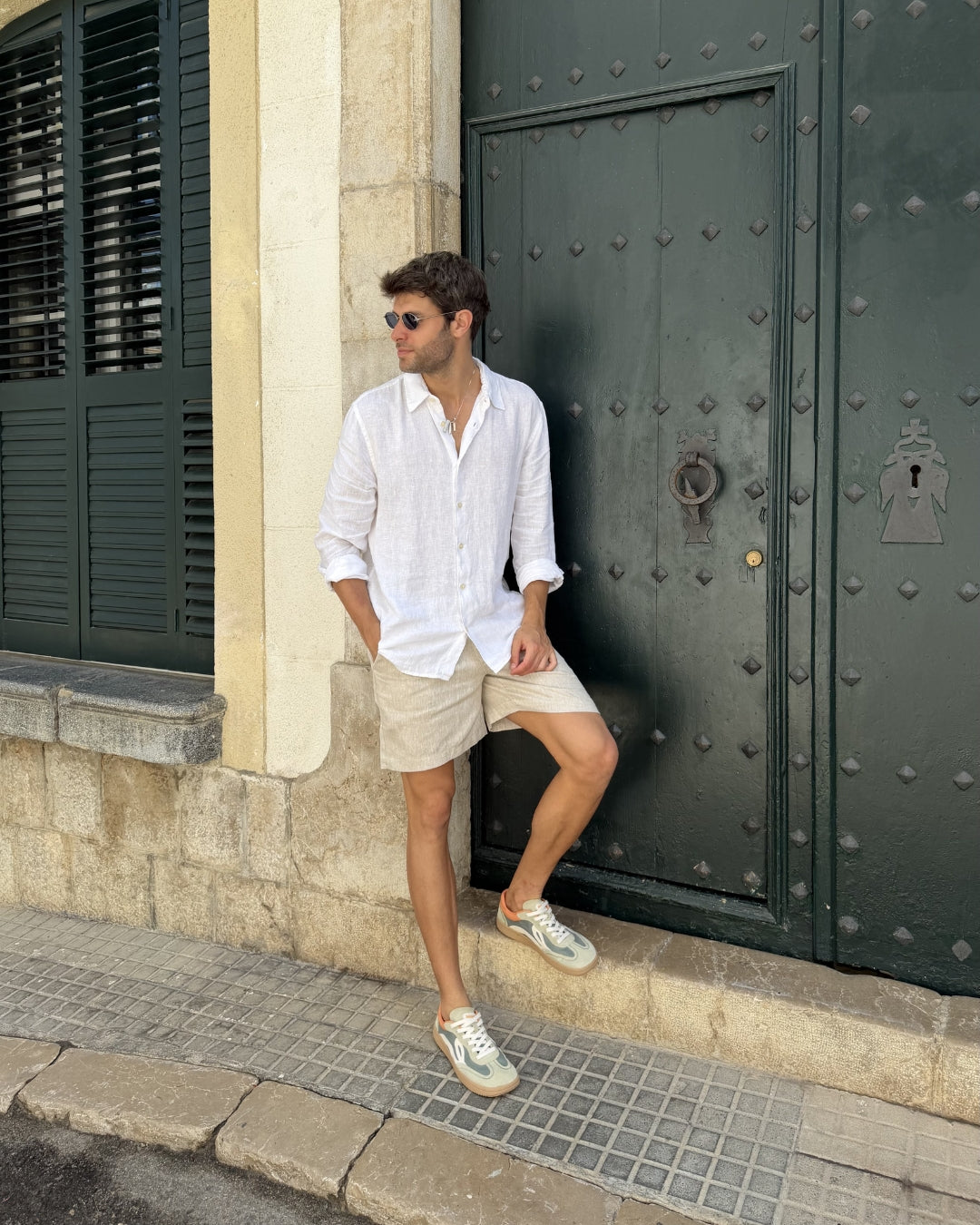
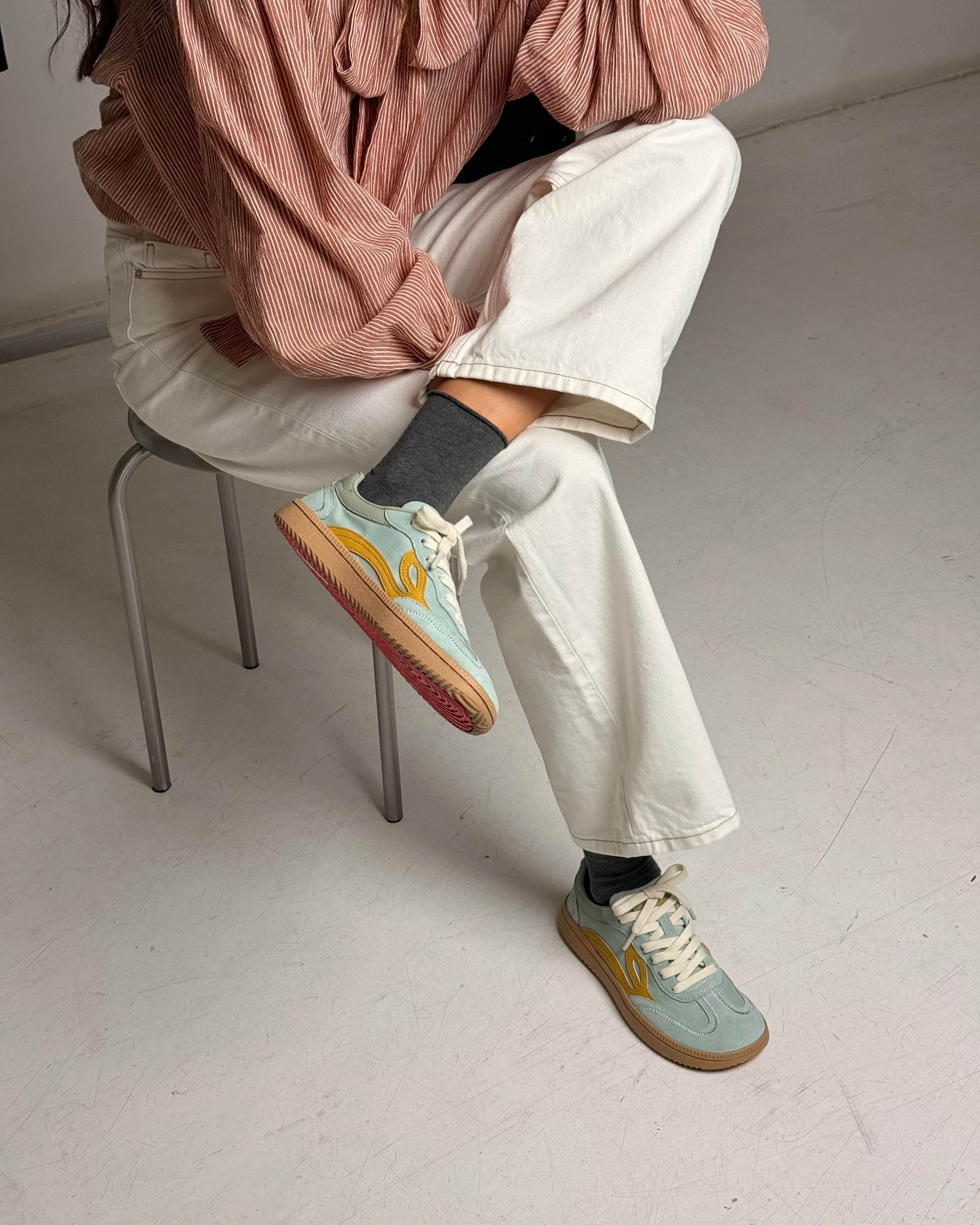
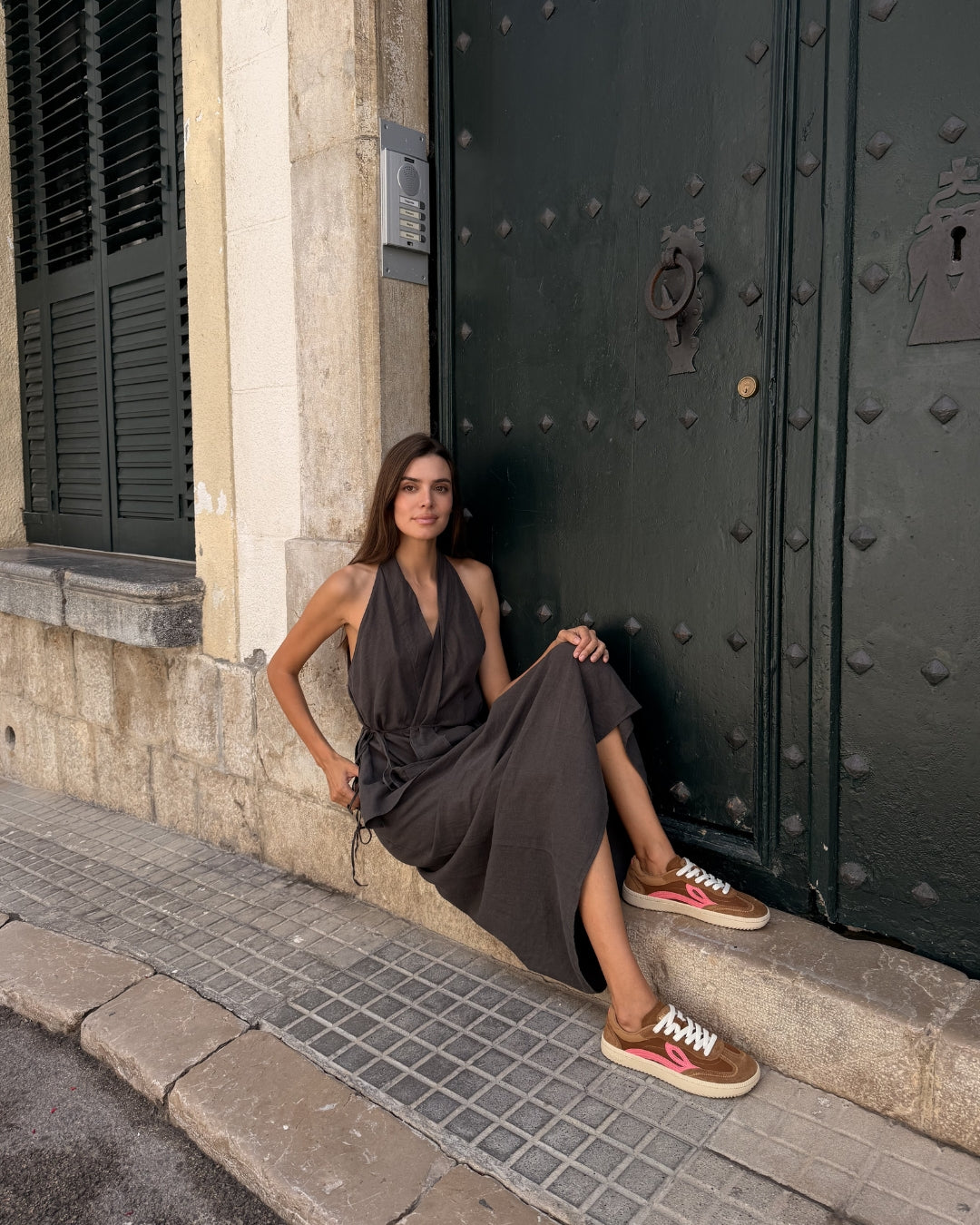
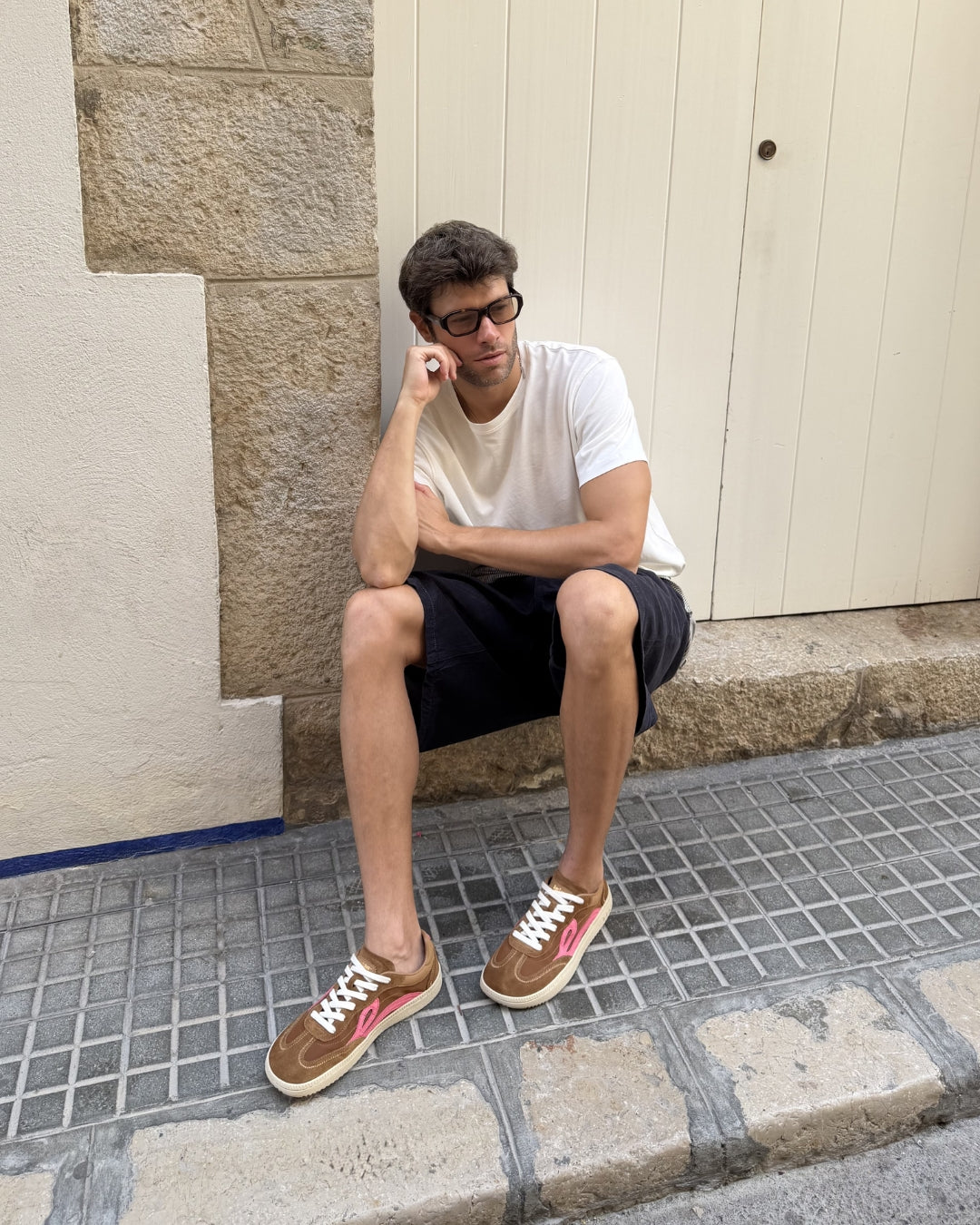
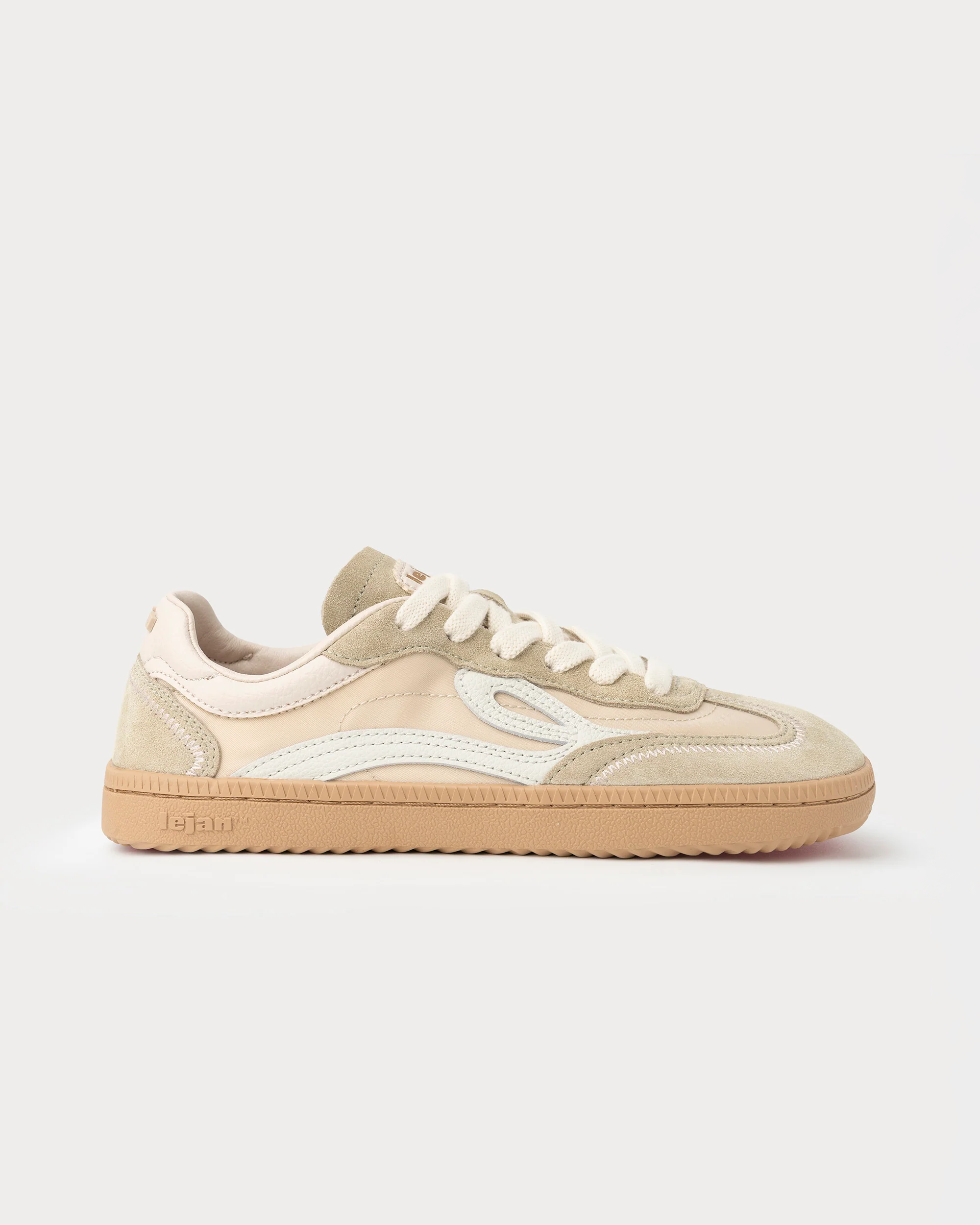
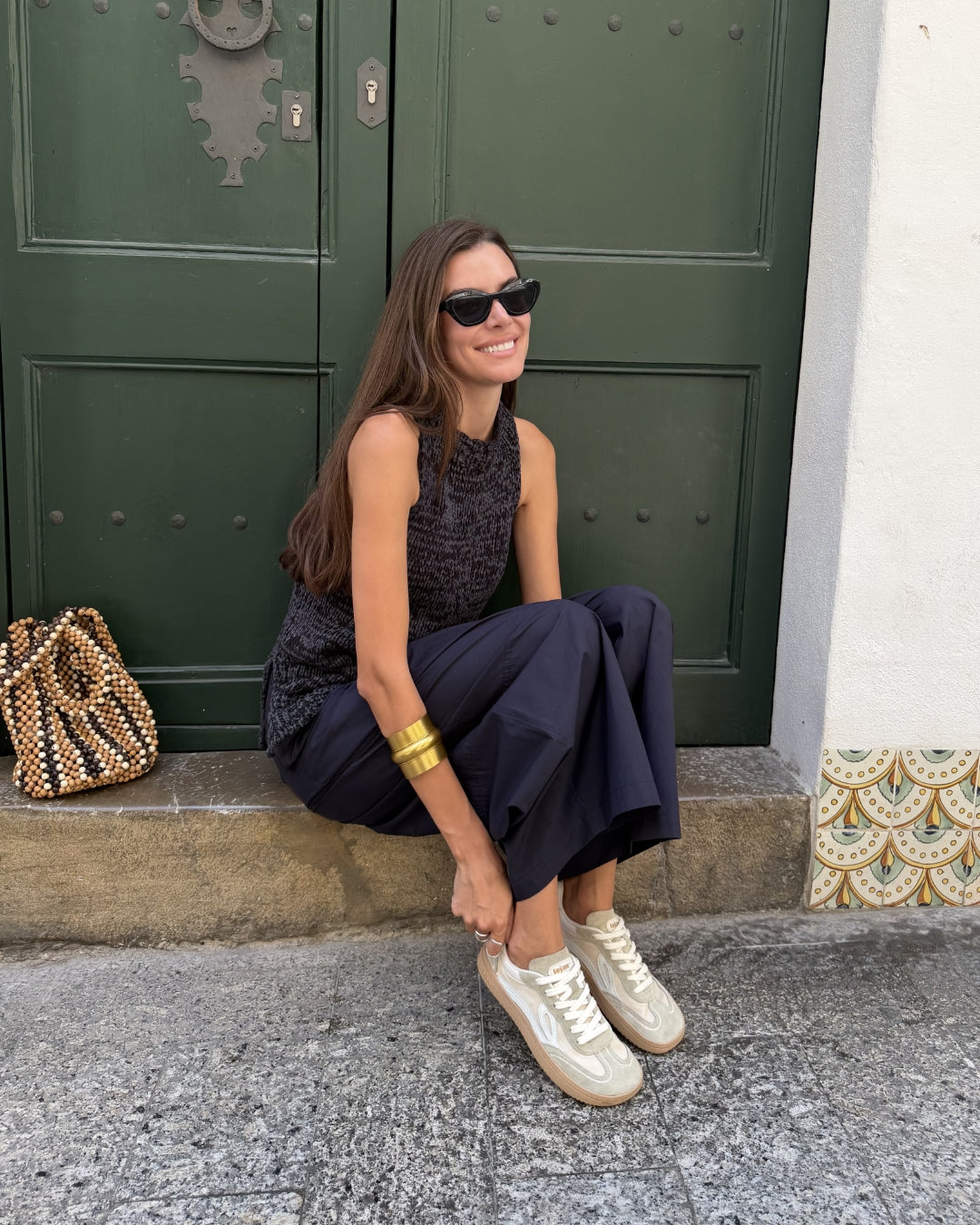
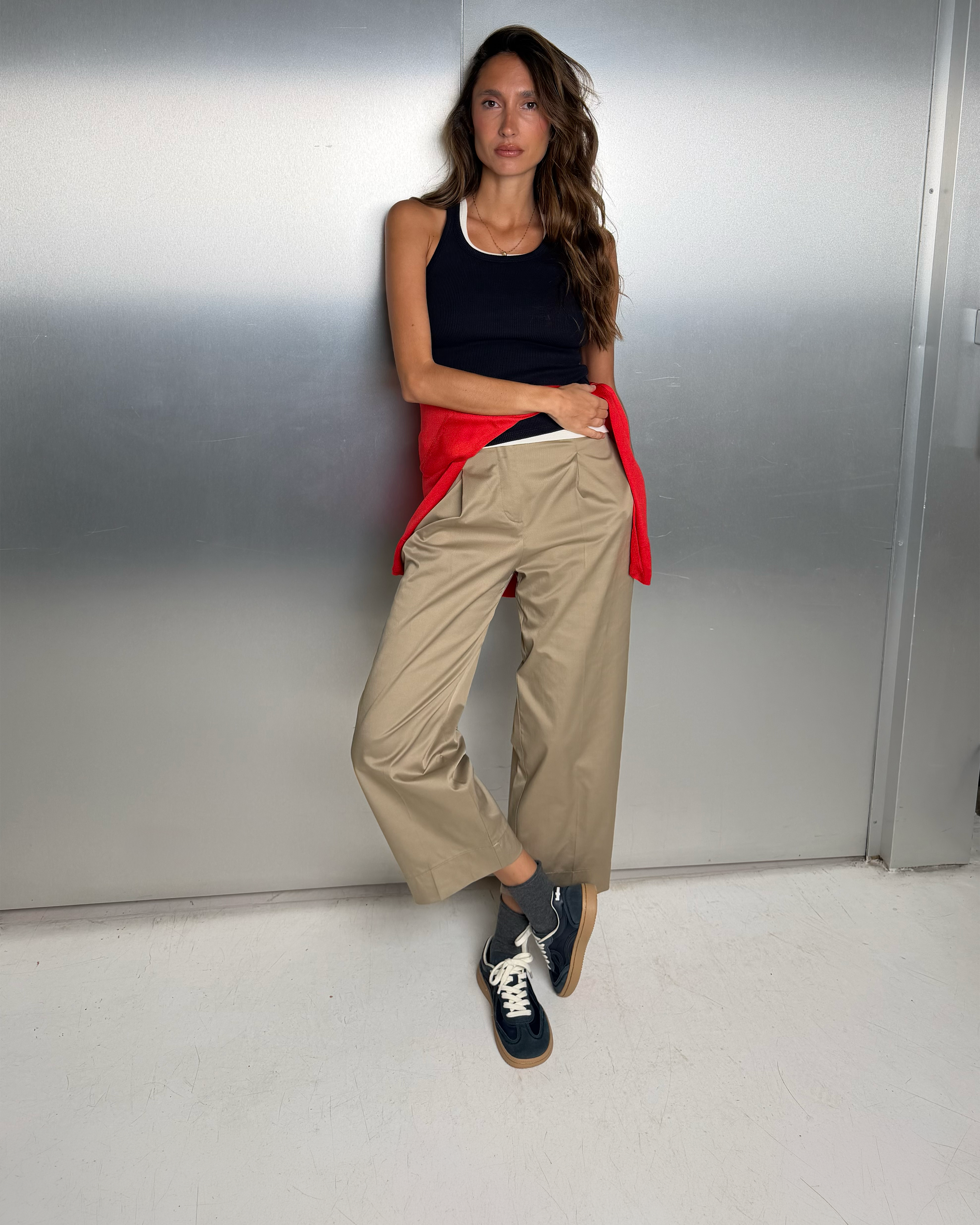
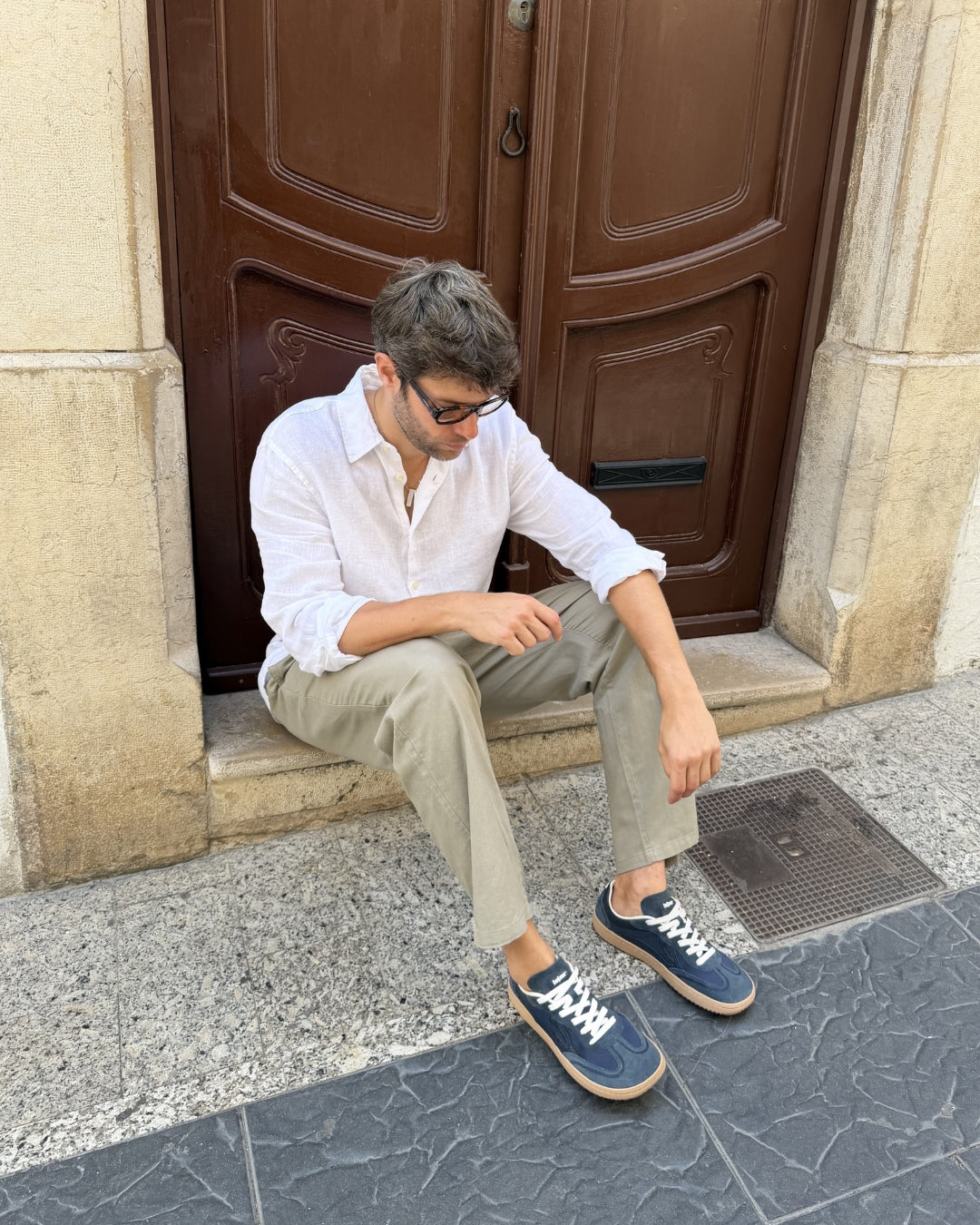
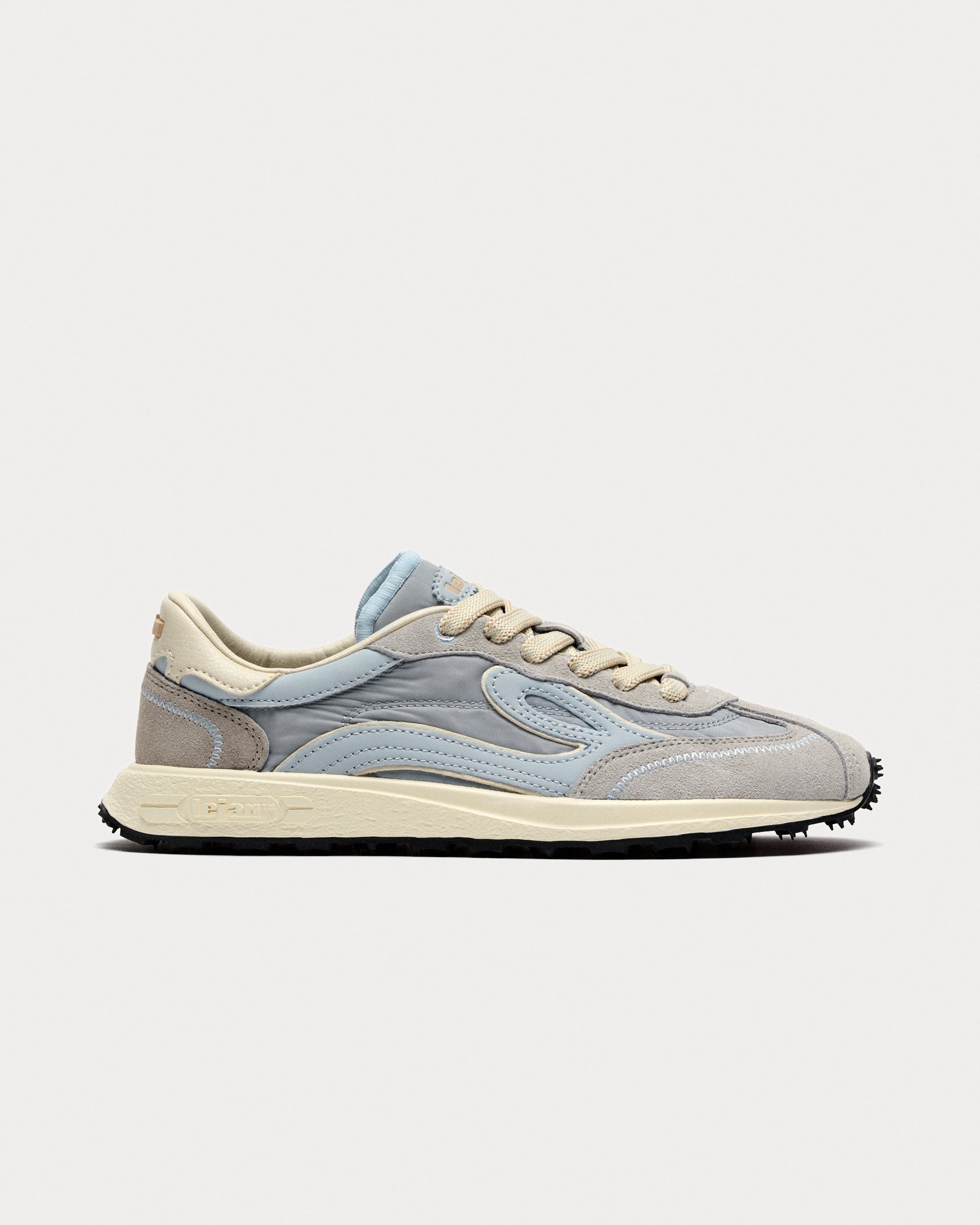
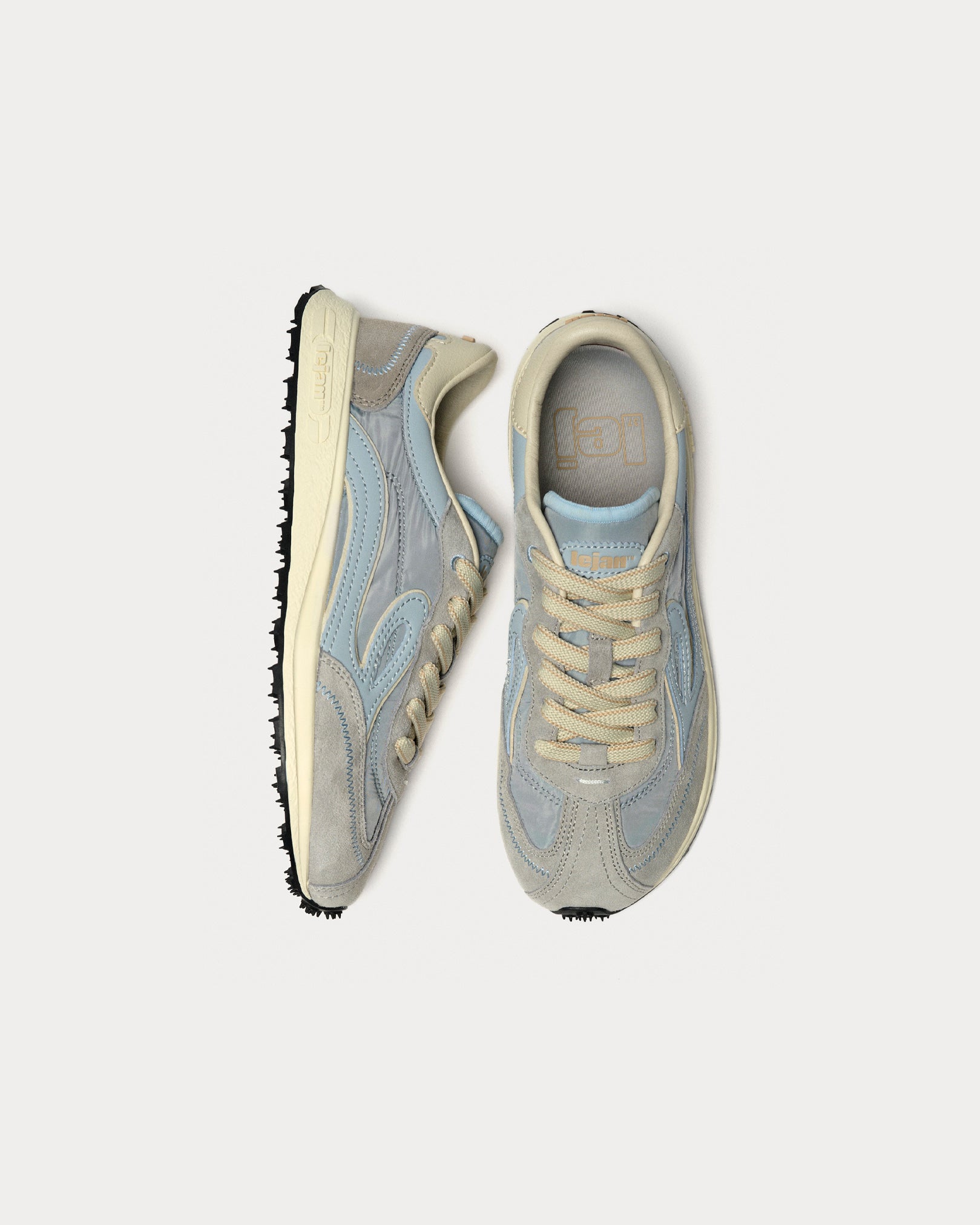
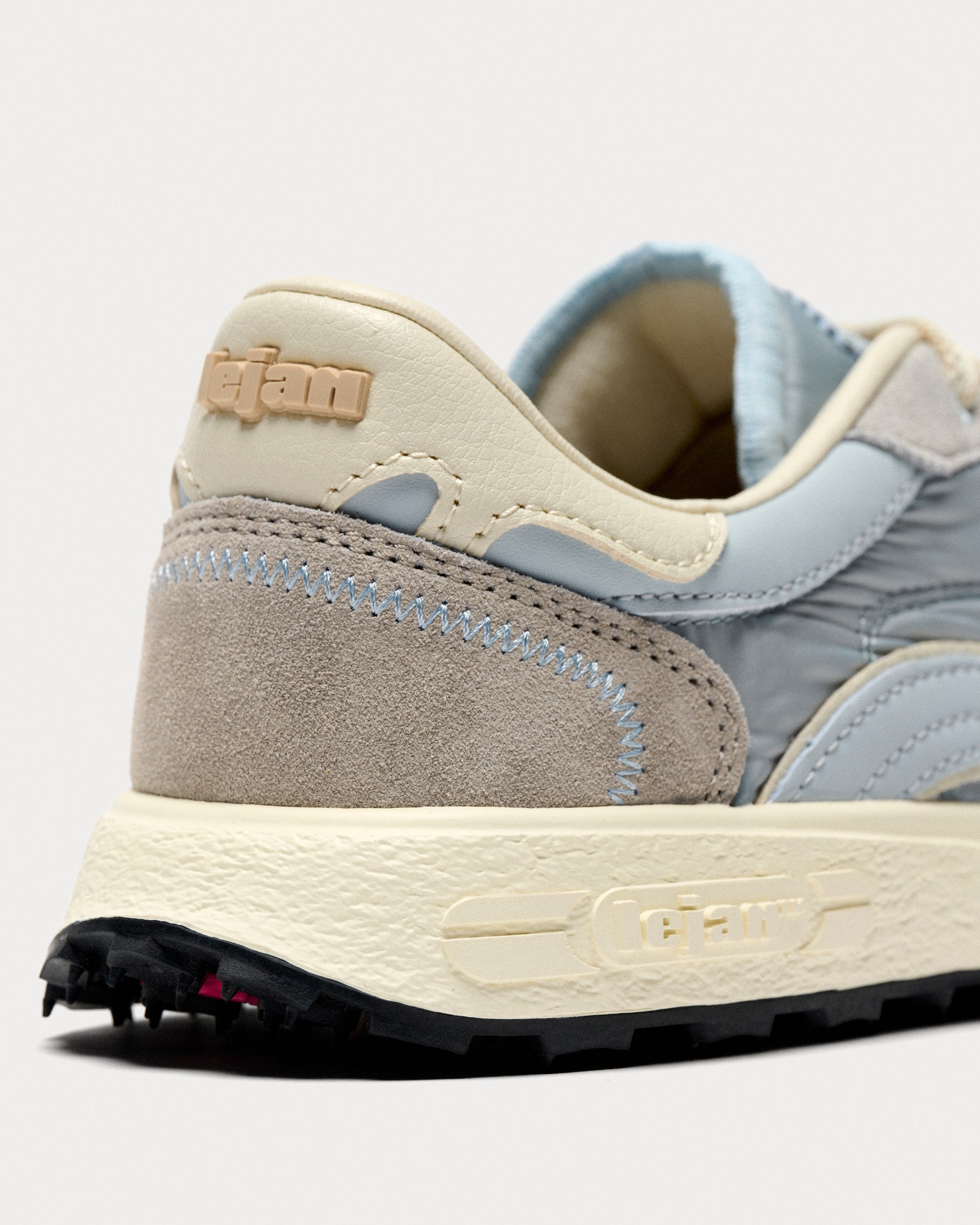
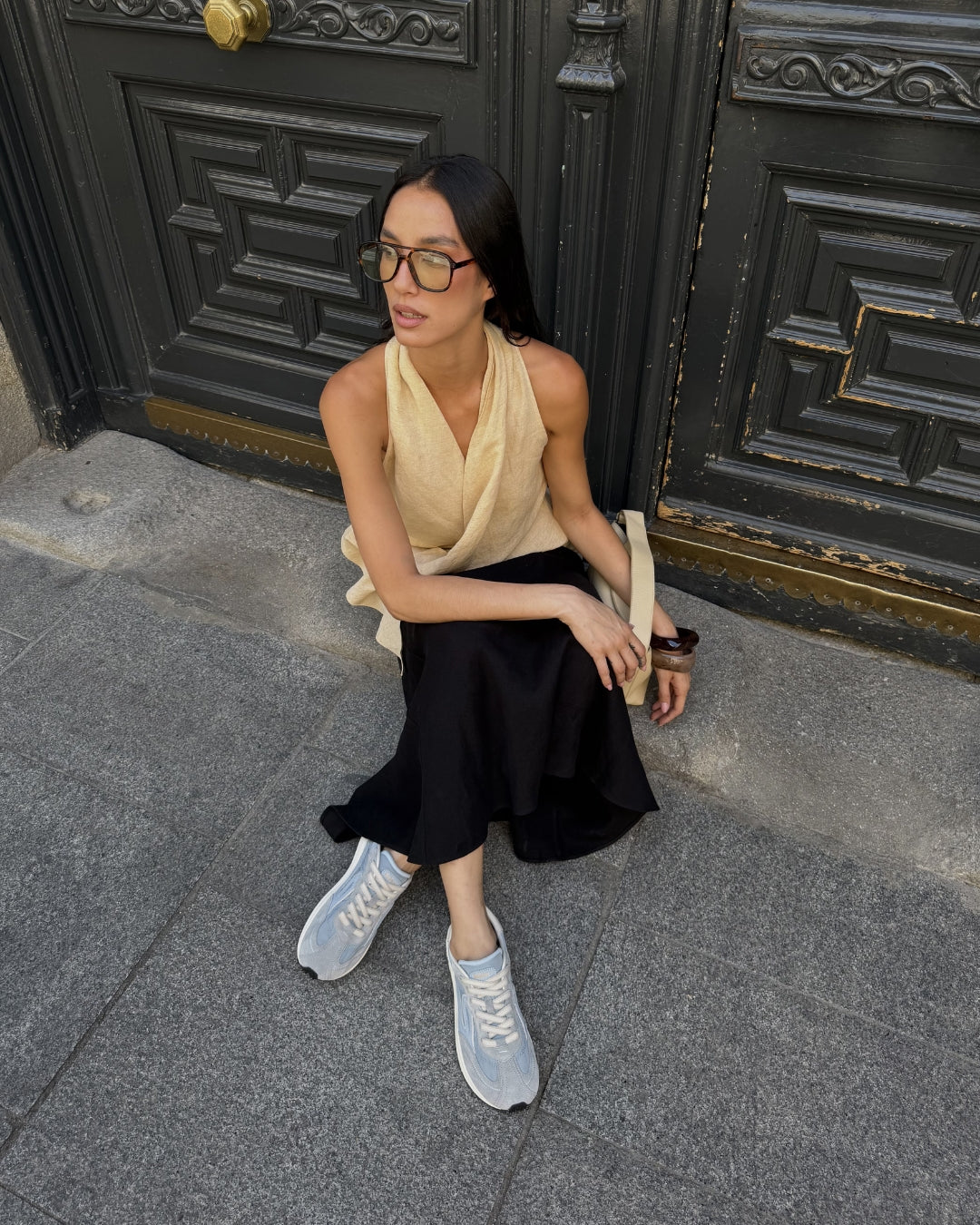
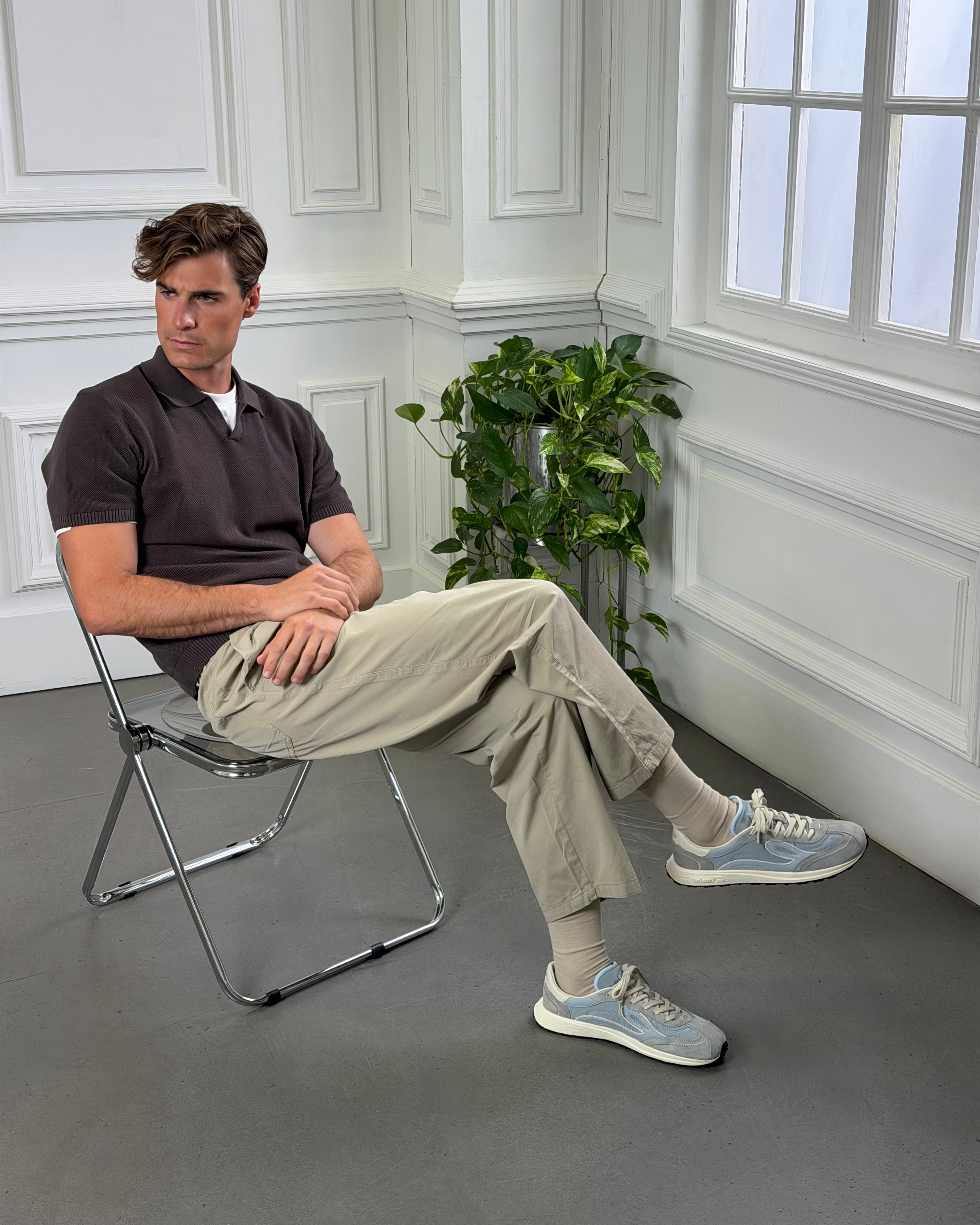
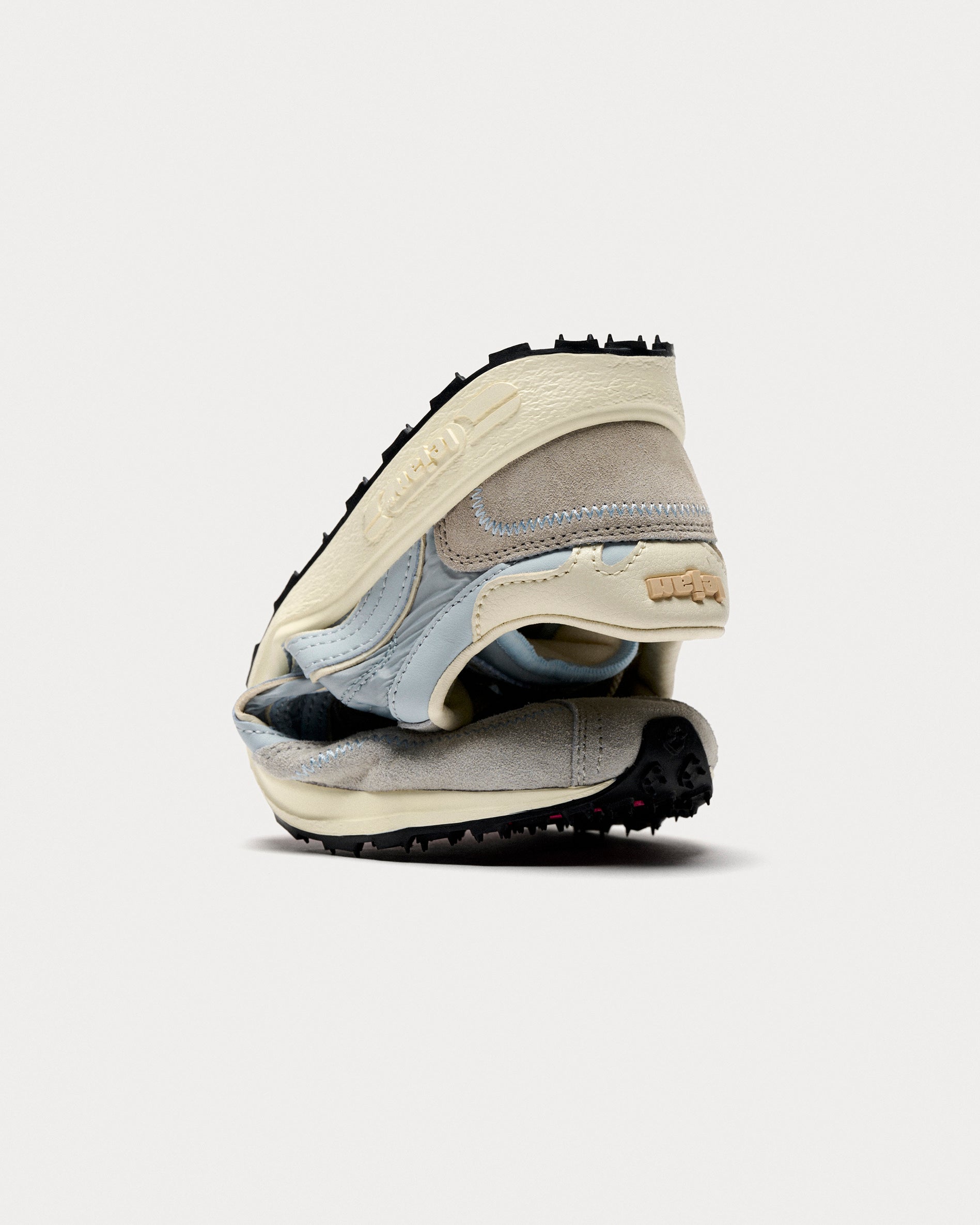
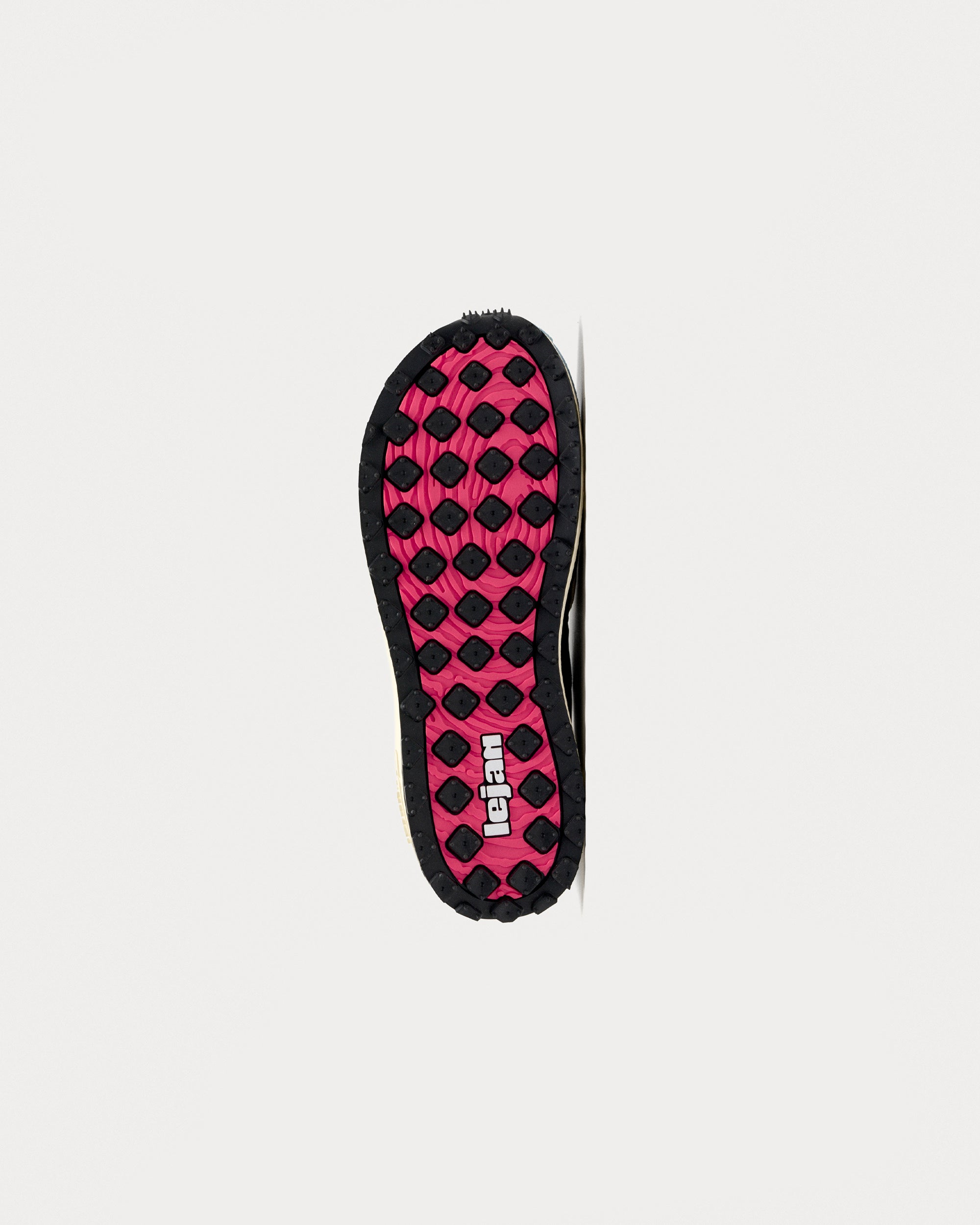
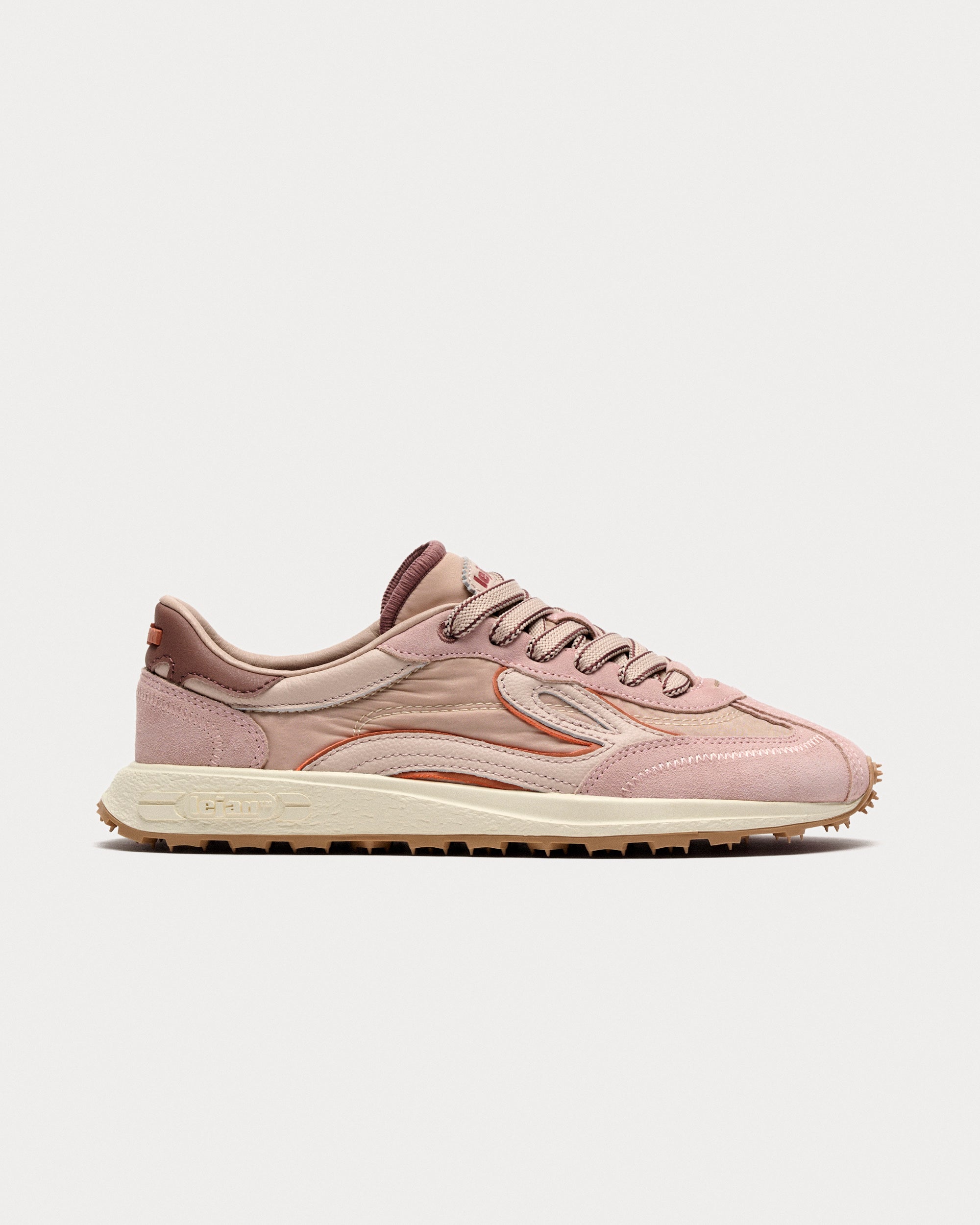
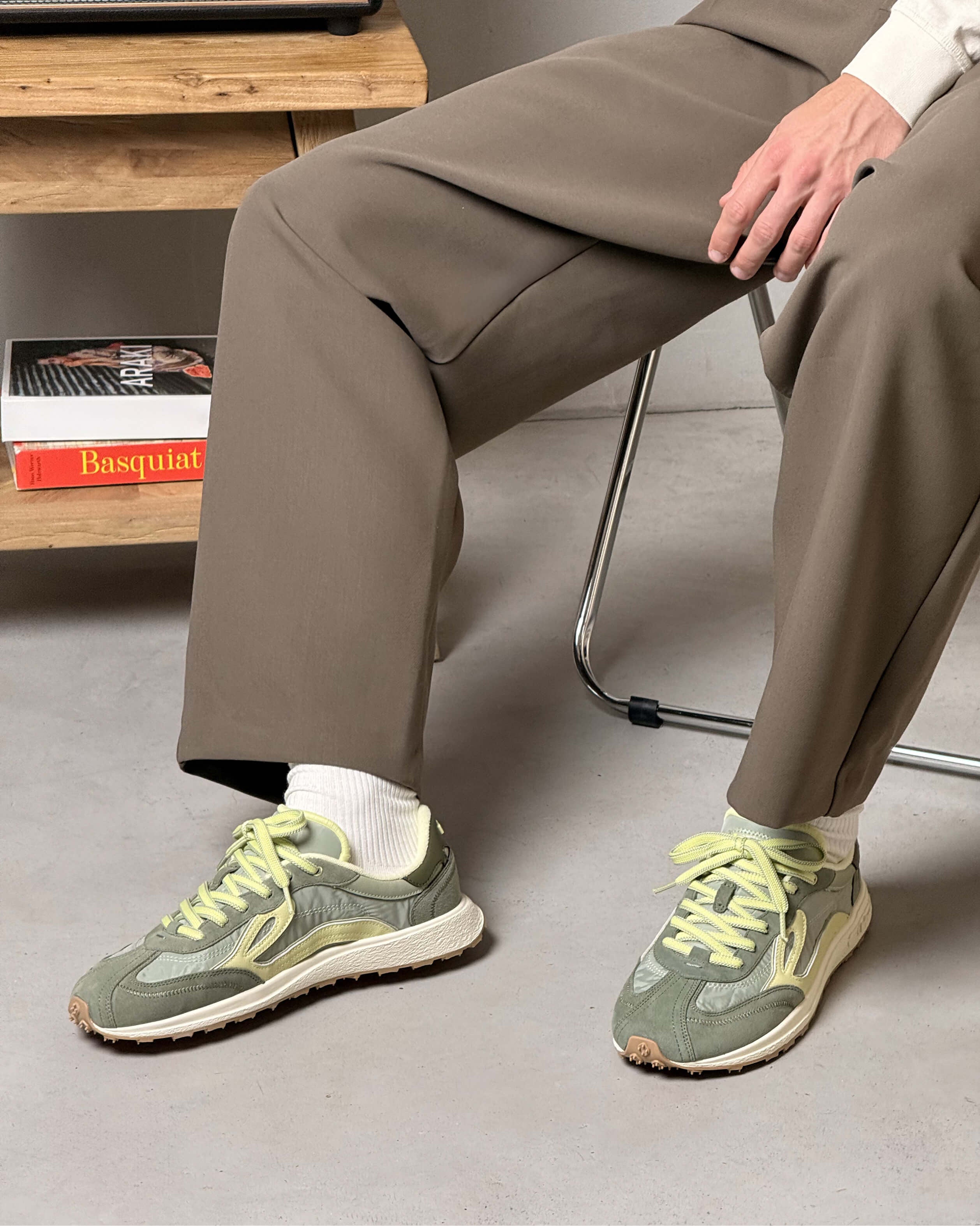
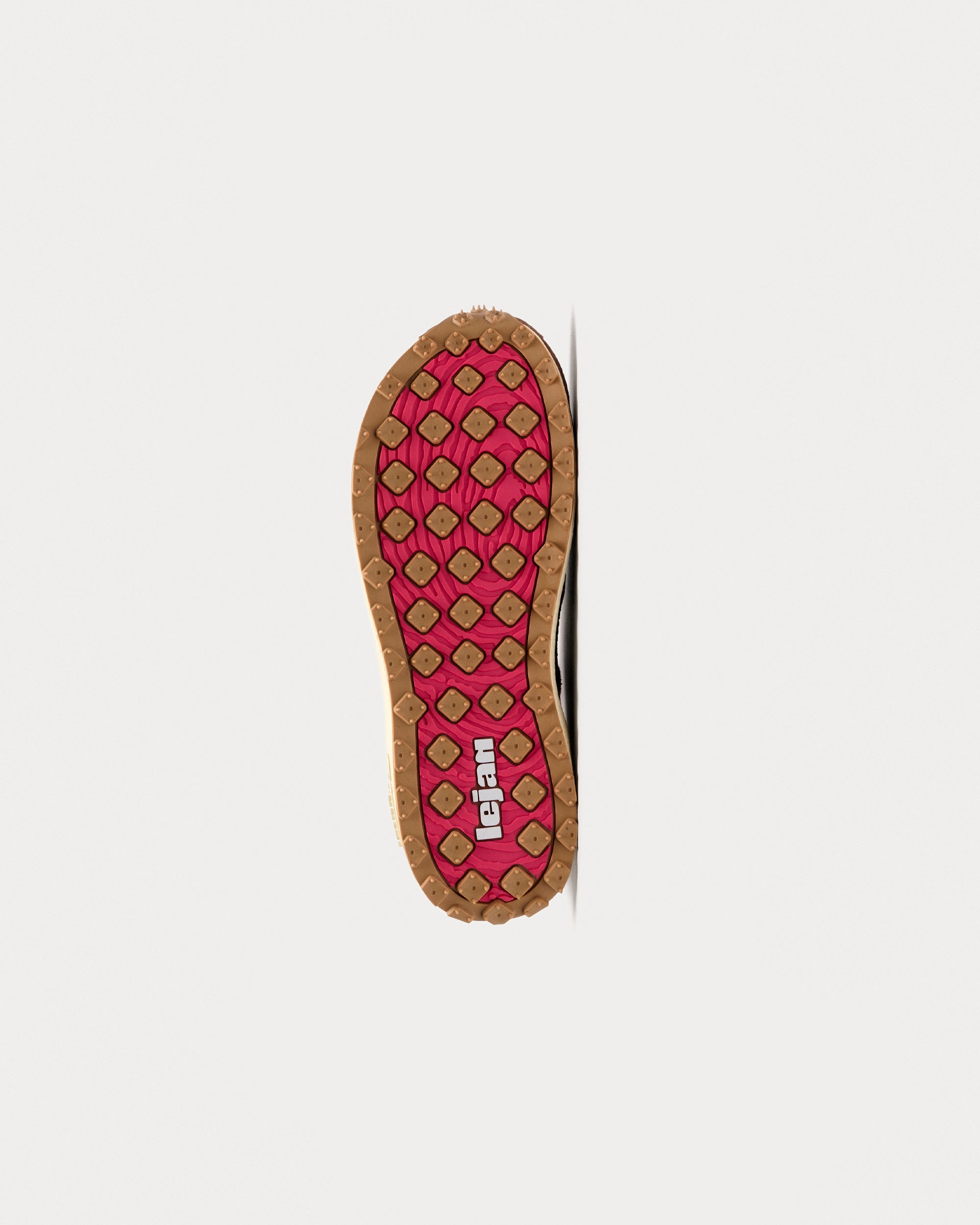
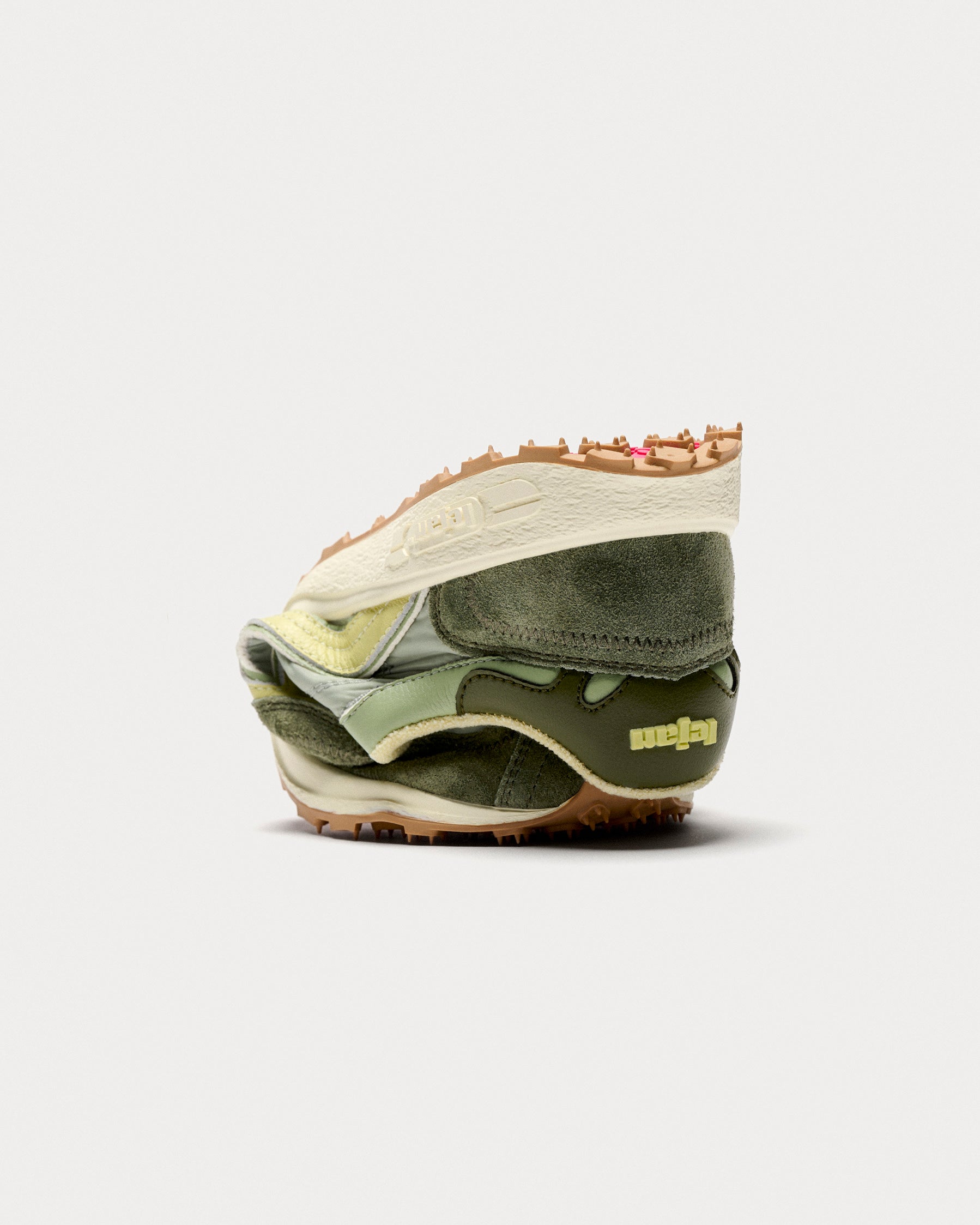
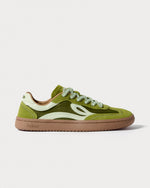
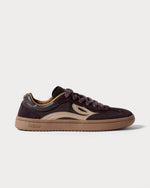
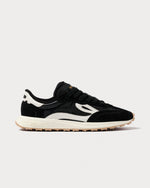
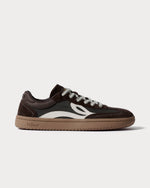
Barefoot footwear isn't about wearing “less shoe” for the sake of it. It's about letting your foot play a bigger part in every step.
For years we've understood comfort as more cushioning, more sole, more support and more structure. But the foot isn't a passive part that just needs protecting. It's a part of the body with mobility, sensitivity, strength and the ability to adapt.
That's why, when we talk about barefoot footwear, we're talking about a type of shoe that tries to interfere as little as possible with the way the foot naturally moves. It's not about walking without protection or switching overnight to a very thin sole. It's about choosing footwear that works with your foot, rather than forcing it to adapt to a shape that isn't its own.
What barefoot footwear is and why people wear it
Barefoot footwear is a type of footwear designed to better respect the shape and function of the foot. Its aim isn't to correct your gait or control every movement, but to give the foot more freedom to move, feel the ground and work more actively.
People wear it because many are looking for a more natural, more comfortable way of walking, one that's less dictated by rigid structures. Also because we're paying more and more attention to how footwear affects posture, gait and the way the body distributes load throughout the day.
Differences between minimalist, barefoot and traditional footwear
Although they're often used as if they were the same thing, there are a few nuances.
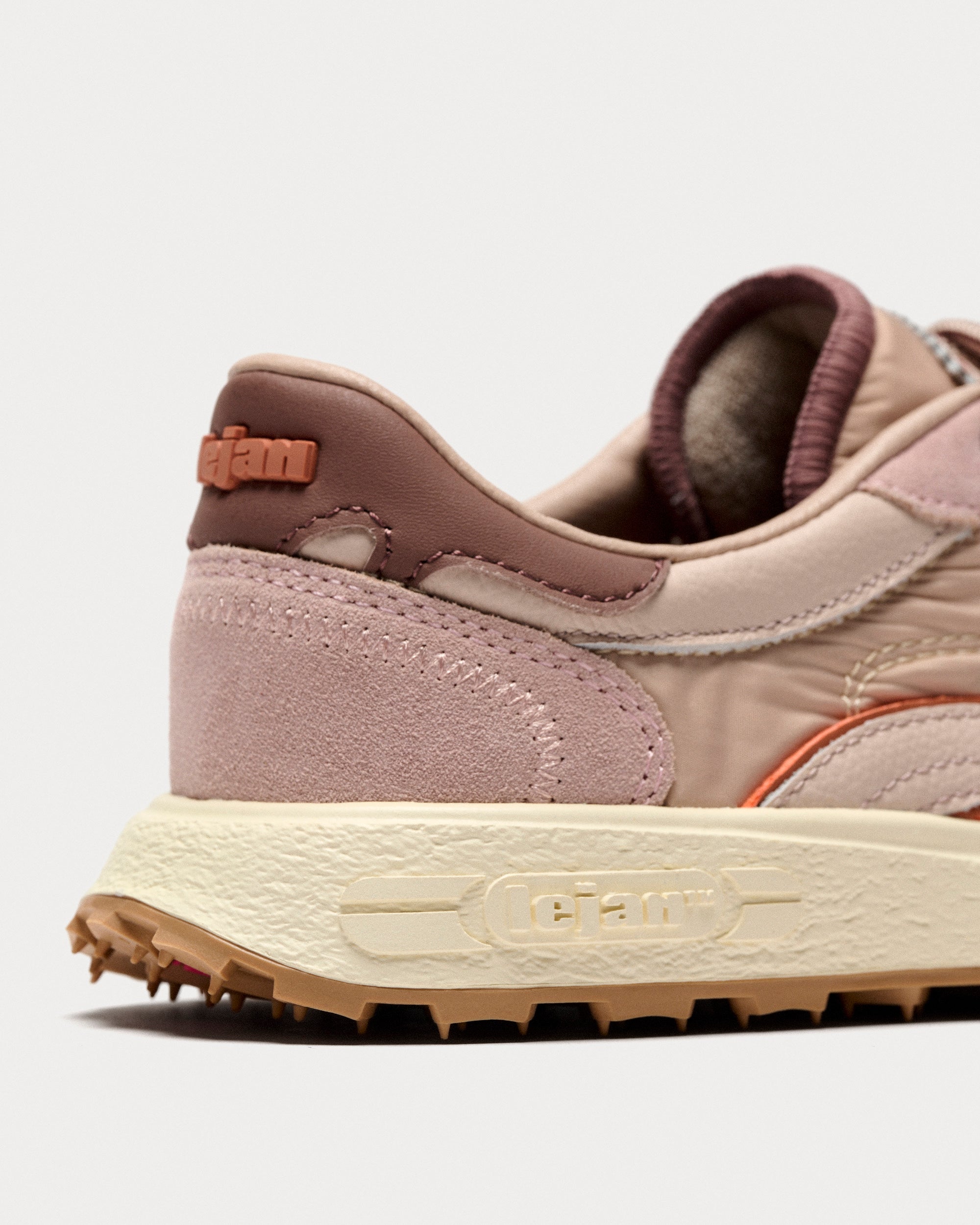
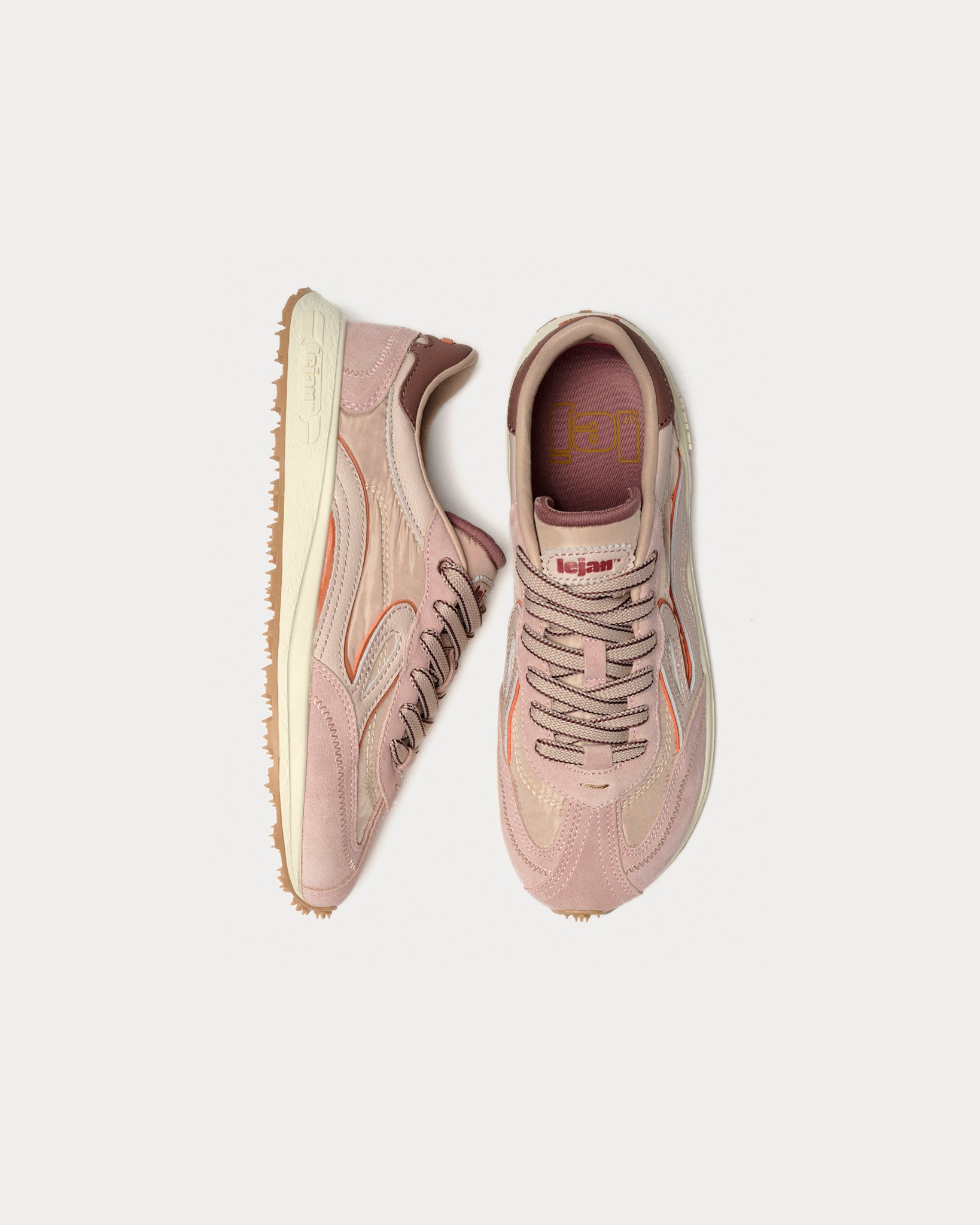
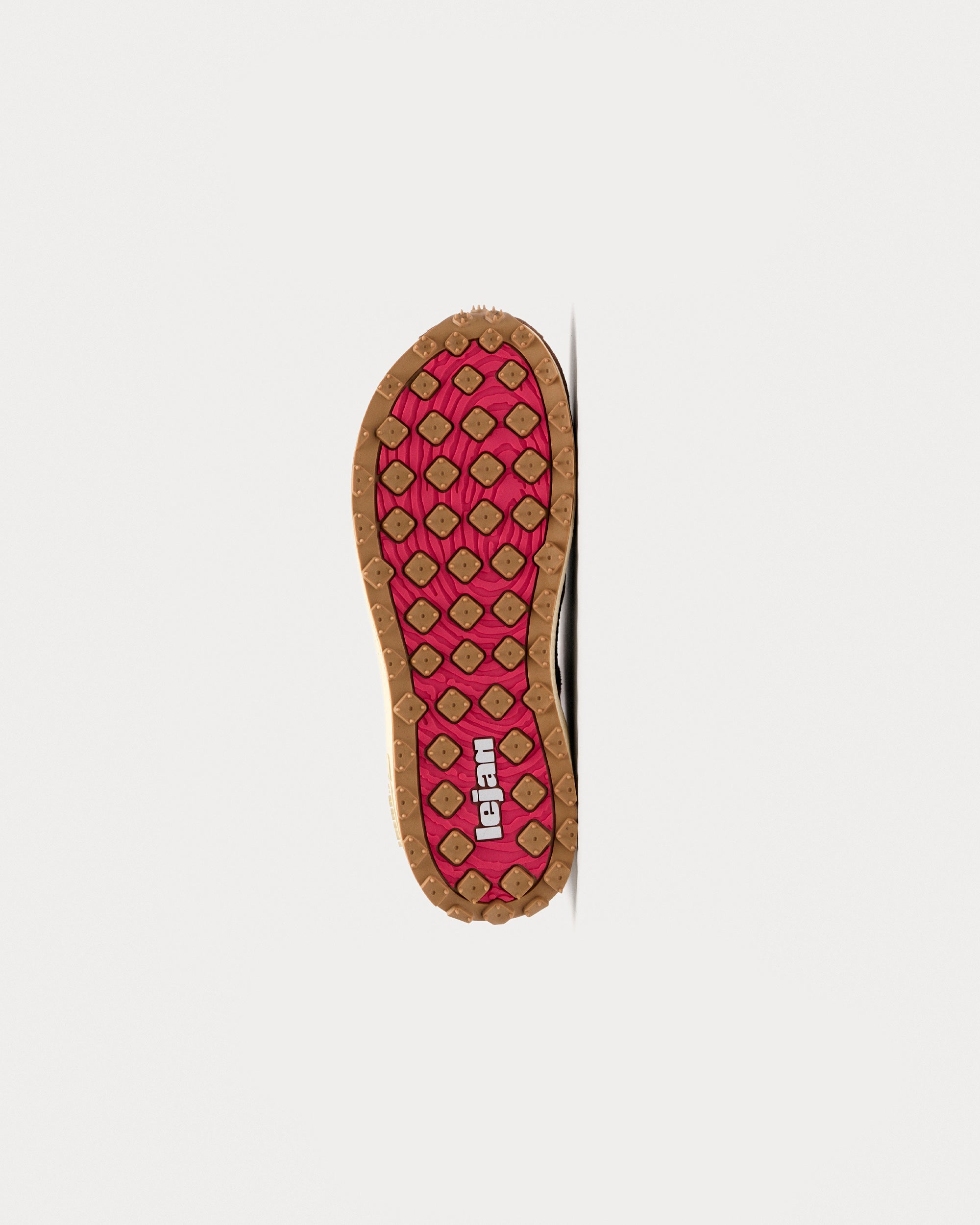
Barefoot footwear aims to reproduce, as far as possible, the feeling of walking barefoot, but with protection between the foot and the ground. It usually has a very flexible sole, zero drop, an anatomical toe box and minimal interference with movement.
Minimalist footwear shares many of those principles, although it may allow a bit more structure or thickness depending on the model. In other words, it can be a transitional option or a gentler way of moving towards a freer stride.
Traditional footwear, on the other hand, usually has more cushioning, more rigidity, a raised heel and a narrower toe box. It isn't always uncomfortable, but it can do more to change the way the foot lands, moves and receives information from the ground.
The difference isn't just in the sole. It's in the whole package: the shape of the last, the room for your toes, the heel height, the flexibility and the overall feel when walking.
Key features: wide toe box, thin sole, flexibility and zero drop
Good barefoot footwear usually brings together several important features.
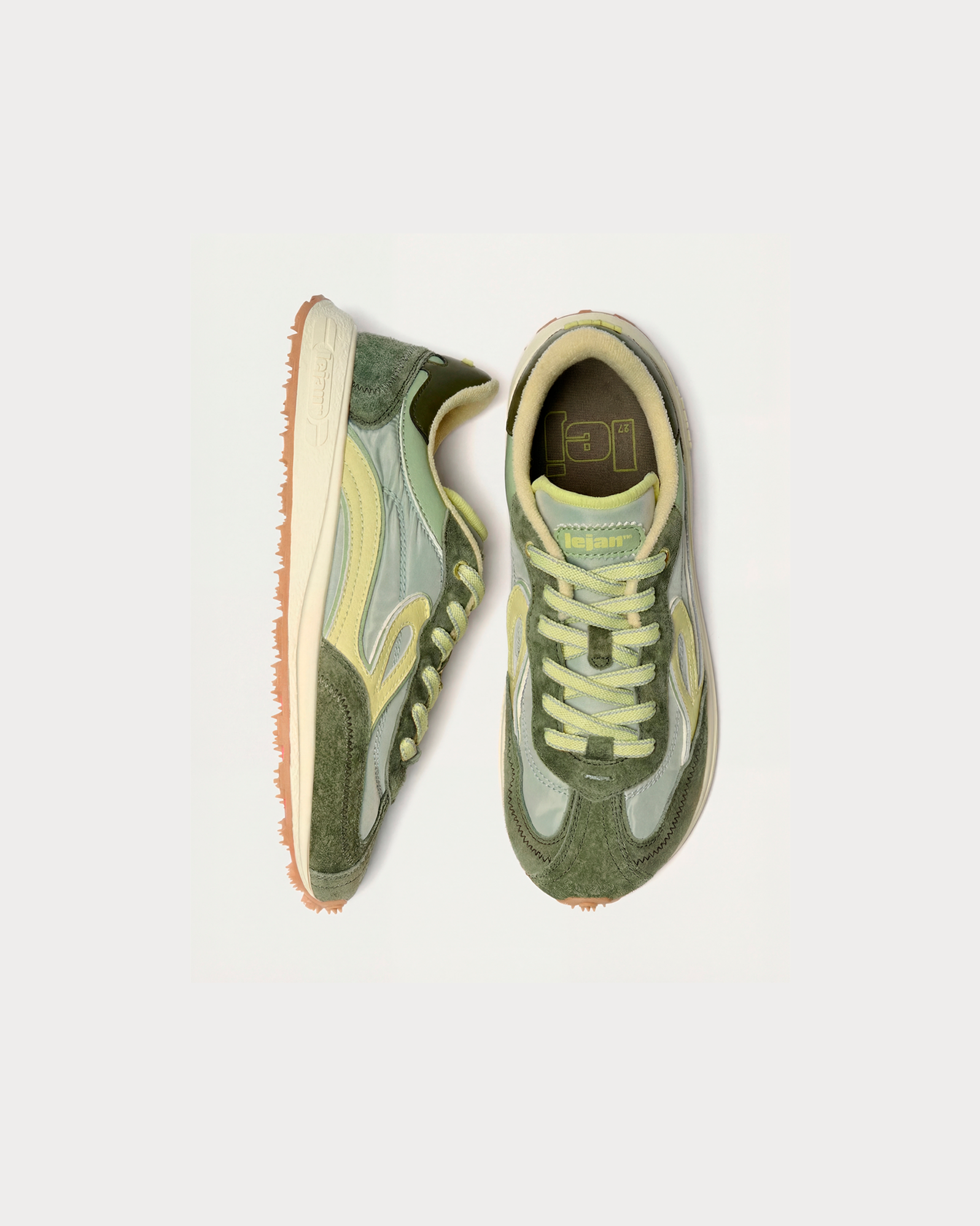
The wide toe box gives your toes real room inside the shoe. It's not about the shoe being too big, but about the front of the shoe better respecting the natural shape of the foot. Your toes need to be able to sit in place, stabilise and play their part in every step.
The thin sole lets you receive more information from the ground. That doesn't mean going unprotected, but keeping a more direct connection with the surface you're walking on. The more information the foot receives, the better the body can adjust small movements.
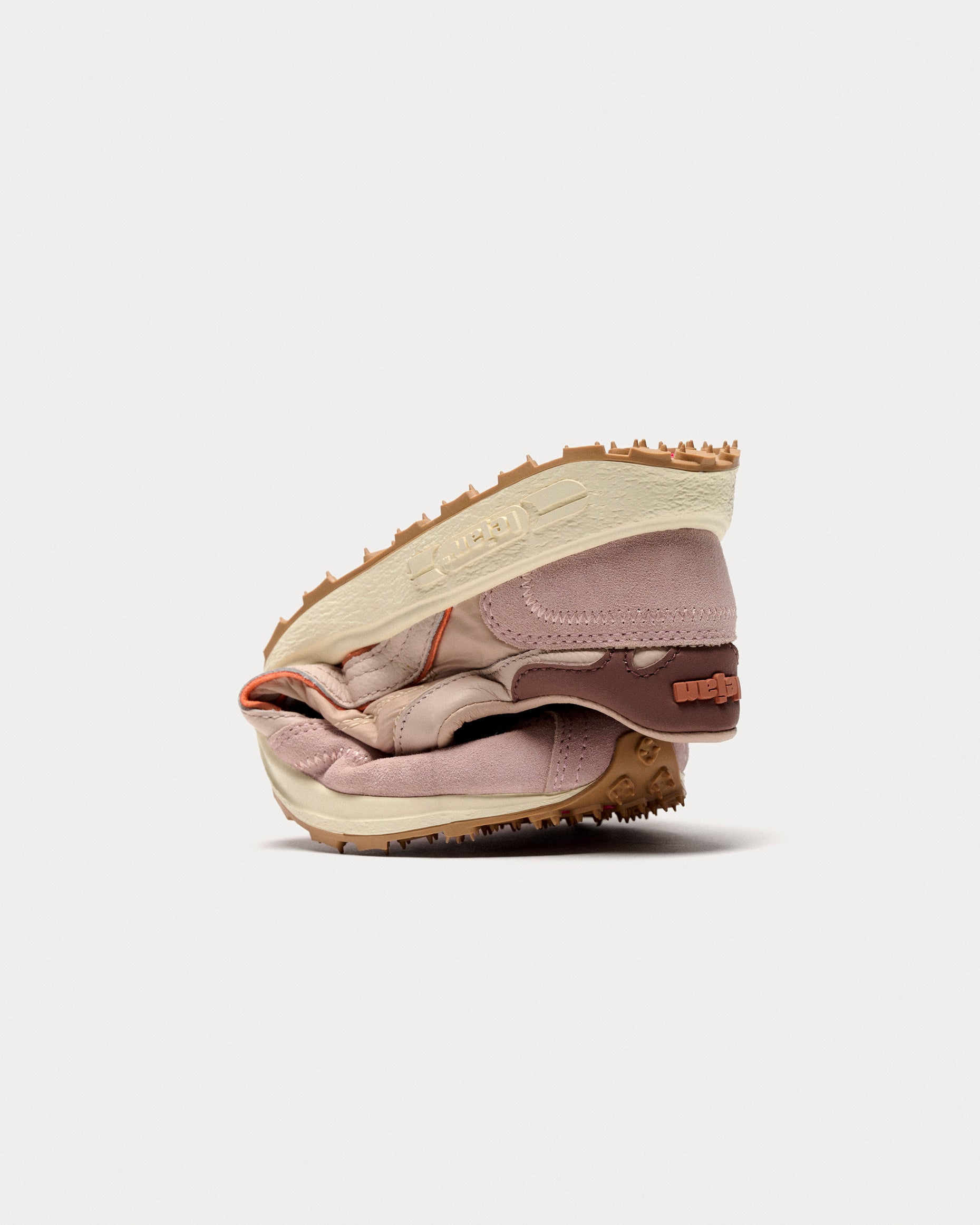
Flexibility is key because the foot doesn't move as one rigid block. When you walk it needs to flex, adapt and follow the movement. A sole that's too stiff can limit that function.
Zero drop means the heel and forefoot are at the same height. This encourages a more balanced feeling underfoot, without artificially raising the heel or tipping the body's starting point forward.

Main benefits of barefoot footwear
The benefits of barefoot footwear don't appear by magic, and they're not the same for everyone. They depend on your starting point, your foot type, how you use them and how you make the transition.
The interesting thing is that, when introduced sensibly, it can help you regain sensations that conventional footwear often pushes into the background: mobility, space, contact with the ground and muscle engagement.
More natural foot mobility
One of the clearest changes when wearing barefoot footwear is that the foot usually has more freedom to move.
In a rigid or narrow shoe, the foot works within a space that's already set. The sole decides how much it flexes, the toe box decides where the toes go and the heel structure decides how much the back of the foot moves.
With more flexible, anatomical footwear, the foot can follow the walking motion better. The toes have more room, the forefoot can flex more naturally and each step feels less locked in.
This doesn't mean the foot has to move without control. It means it doesn't need to be constantly restricted in order to work well.
Better proprioception and connection with the ground
The sole of your foot doesn't just bear weight. It also sends information.
Every time you take a step, your foot picks up stimuli from the ground: pressure, texture, slope, changes in surface. That information helps the body adjust its balance, posture and the way it distributes load.
When the sole is very thick or very stiff, part of that information is lost. The body keeps walking, of course, but it does so with less data.
With barefoot footwear, many people notice more connection with the ground. They get a better sense of how they land, how they distribute their weight and how their stride changes with the surface. It's a livelier, more present feeling, less “cut off” from the ground.
Gradual strengthening of the foot muscles
The foot has muscles of its own. And like any other muscles, if they do more, they can gradually build up their capacity for work.
When the shoe provides a lot of rigidity, cushioning or control, part of the work is taken on by the footwear. By reducing that outside help, the foot has to get more involved in stability, push-off and the small adjustments of every step.
This can be a good thing, but it has to be done gradually. A foot that has spent years inside very structured footwear isn't always ready to switch overnight to a thin sole all day long.
That's why the benefit isn't just in wearing barefoot footwear, but in letting the foot adapt little by little.
More comfort if the foot has enough room
Many people associate comfort with cushioning, but space is comfort too.
A shoe can be soft and still be uncomfortable if it squeezes the toes or doesn't respect the real width of the foot. The sense of relief many people feel with an anatomical toe box comes precisely from that: the foot is no longer trapped in a shape that isn't its own.
When the toes have room, each step usually feels more stable. The foot doesn't have to “fight” the shape of the shoe, and you notice that especially after hours of walking or at the end of the day.
Comfort shouldn't depend solely on the sole being soft. It's also about the foot being able to sit in a more natural position.
Benefits compared with traditional cushioned footwear
Traditional cushioned footwear can make sense in certain contexts, but it isn't always the best option for everyone's day-to-day.
A very thick sole can feel pleasant at first, because it reduces the sense of impact. But it can also isolate the foot more, limit part of the sensory information and encourage a less conscious stride.
Barefoot footwear proposes a different idea: less interference, more mobility and more involvement from the foot.
It's not about saying one is good and the other bad. It's about understanding what each one offers and what your body needs right now.
Comparison table: barefoot vs cushioned
|
Aspect |
Barefoot footwear |
Traditional cushioned footwear |
|
Toe box |
More anatomical, with real room for the toes |
Usually narrower or more pointed |
|
Sole |
Thinner and more flexible |
Thicker and more structured |
|
Ground feel |
More connection and information |
Less perception of the terrain |
|
Drop |
Usually 0 or very low |
Usually raises the heel |
|
Foot movement |
Allows more freedom |
Can restrict natural flexion more |
|
Stability |
Relies more on the foot doing the work |
Relies more on the shoe's structure |
|
Adaptation |
Best done gradually |
Usually needs less initial adaptation |
|
Feel when walking |
More natural and direct |
More padded and insulated |
How to get started with barefoot footwear without discomfort
The transition is one of the most important parts.
The most common mistake is thinking that, if a shoe is kinder to the foot, you can wear it all day from the start. And that's not always the case.
A foot that's used to stiff soles, heels, platforms or lots of cushioning needs time. Not because barefoot footwear is dangerous, but because it changes the amount of work the foot has to do.
The key is to listen to how it feels, build up use little by little and not turn the transition into a race.
A gradual transition if you're coming from stiff soles or heels
If you're coming from very structured footwear, the ideal is to start with short spells in easy settings.
For example, you can wear barefoot footwear at home, for short walks or at times of day when you won't be walking much. Then, little by little, you can extend the time depending on how your body responds.
If you're coming from heels or footwear with a high drop, you may feel the change more in your calves, soleus, Achilles tendon and the sole of your foot. This happens because the body was used to working from a different position.
There's no need to force it. In fact, the gentler the transition, the better the adaptation tends to be.
Signs you're going too fast
Some discomfort can appear at first because the foot is working harder. But feeling your muscles switch on is one thing; ignoring clear signs of overload is quite another.
You may be going too fast if you notice intense pain, discomfort that gets worse every day, heavy strain in your calves, persistent pain in the sole of your foot or excessive tiredness after short spells of use.
It's also worth slowing down if the body starts to compensate: you walk oddly, change your stride to avoid discomfort or feel tension in your knees, hips or back.
Adaptation shouldn't feel like a chore. It should be gradual, comfortable and manageable.
Simple exercises to get your feet and ankles ready
Backing up the transition with gentle exercises can help a lot.
You can start with toe mobility: spreading, extending and moving your toes consciously. It can be tricky at first, but that's fine. The idea is to regain control, not to do it perfectly.
You can also work on ankle mobility with slow forward and backward movements, gentle circles or gradually loading the foot in different positions.
Another useful exercise is walking barefoot around the house for short spells, as long as there's no pain and the environment is safe. This helps the foot receive more stimuli without asking too much of it.
And something very simple: massage the sole of your foot with a soft ball for a few minutes. There's no need to press hard. The aim is to wake up sensitivity and release tension.

How to choose good barefoot footwear
Not everything sold as barefoot really respects the foot. That's why it's worth looking beyond the name.
Good barefoot footwear should let the foot be comfortable, stable and free, without squeezing or locking it in. The looks can be beautifully done, but the shape of the shoe has to make sense.
Before buying, it's worth looking at three things: last, sole and fit.
Anatomical last and room for the toes
The last is one of the most important parts.
An anatomical toe box doesn't simply mean the shoe is wide. It means the front of the shoe follows the real shape of the foot better, leaving room for the toes to sit without being squashed.
The big toe shouldn't be pushed inwards by the toe box. Nor should the smaller toes end up bunched together.
To check, you can take out the insole, if it's removable, and place your foot on top. If your foot clearly spills over the sides or your toes don't fit inside the outline, that last probably isn't respecting the space you really need.
A thin, flexible sole with a good fit
The sole should protect, but also move with you.
A barefoot sole should flex especially in the forefoot area, because that's where the foot needs to bend when walking. If the sole is so stiff it barely moves, the foot is more restricted.
It's also important that it isn't overly thick if what you're after is more ground feel. The more height and material there is, the less information reaches the sole of the foot.
Fit matters too. A barefoot shoe shouldn't be tight, but it shouldn't be loose either. The foot needs room at the front, yes, but the shoe has to hold well so you don't have to grip it with your toes as you walk.
Materials, breathability and everyday use
Materials make a big difference to the experience.
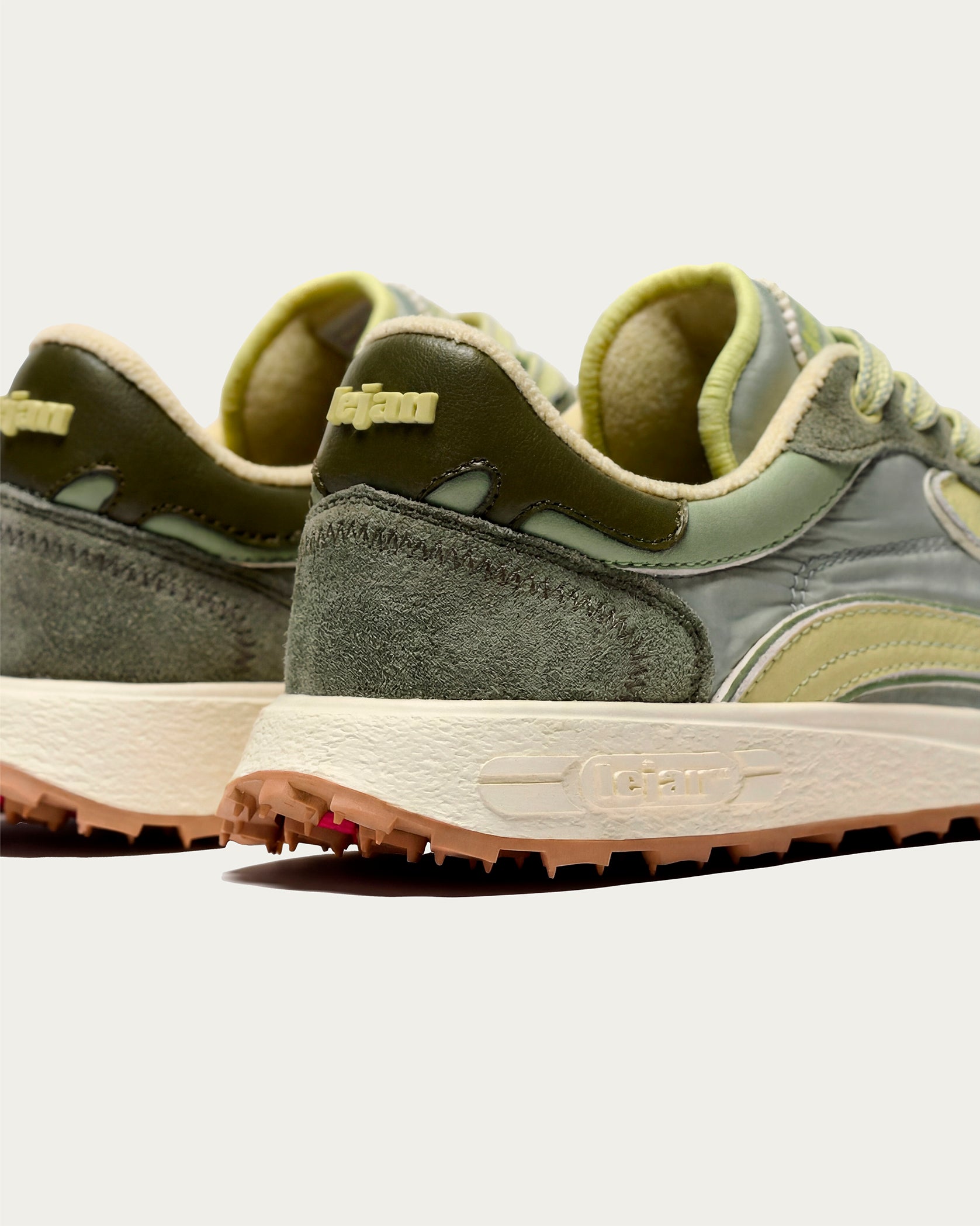
A material that's too stiff can restrict movement even if the sole is flexible. A softer, more adaptable and breathable upper, on the other hand, usually works better with the foot throughout the day.
It's also worth thinking about real-life use. Looking for footwear to walk around town, to work long hours, to do sport or to support a transition are not the same thing.
A good barefoot shoe doesn't have to be the thinnest on the market. It has to make sense for your foot, your pace and the context you're going to wear it in.

Common myths about barefoot footwear
As with anything that starts to become better known, there are quite a few oversimplified ideas around barefoot footwear.
Some people see it as something extreme. Others think it works for everyone in the same way. And others think wearing barefoot footwear means giving up protection, style or comfort.
The reality is simpler: it's a type of footwear that aims to respect the foot more, but it needs to be approached with some judgement.
Is it only for athletes?
No. Barefoot footwear isn't just for running or training.
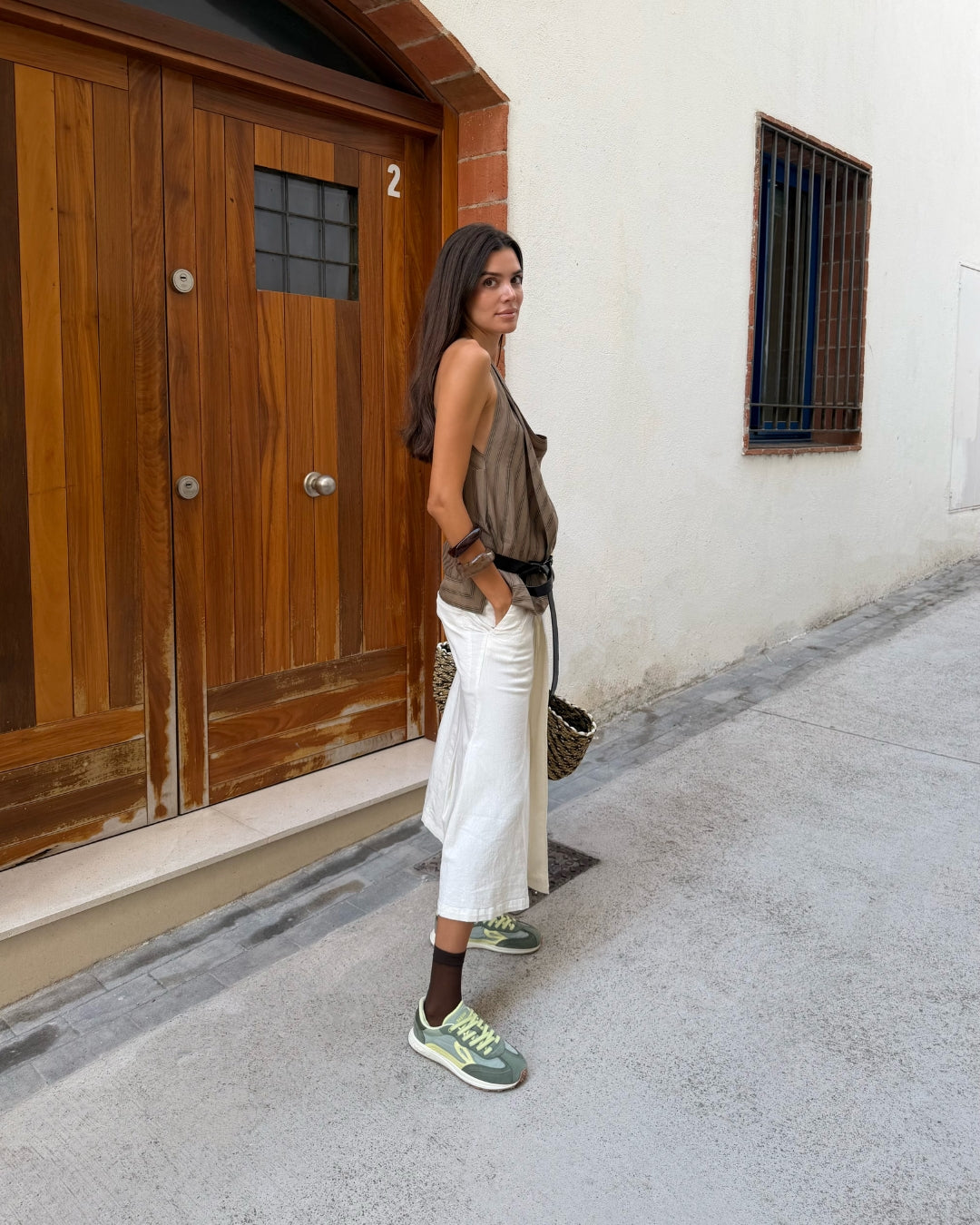
In fact, many people start with everyday use: walking, working, travelling, running errands or spending long hours on their feet. In those contexts, having more room for the toes and a less rigid sole can make quite a difference.
That's why, for specific sports, it may be advisable to use specific footwear, even if it doesn't always have to be barefoot. What matters is that the footwear suits the type of movement, the terrain, the intensity and each person's level of adaptation.
For sport, the transition should be even more gradual, and it's always worth listening to how your body responds.
Does it mean walking without protection?
No. Barefoot doesn't mean going without protection.
It means wearing lighter, more flexible and less intrusive protection. The foot is still covered, but not locked inside a structure that decides for it how it should move.
The idea isn't to step on stones without feeling anything, or to wear a sole that's barely there. The idea is to find a balance between protection and freedom.
Is it suitable for children and adults?
It can work for both children and adults, although their needs aren't exactly the same.
For children, foot-friendly footwear makes a lot of sense because the foot is still developing and needs space, mobility and stimuli. A shoe that's too stiff or narrow can limit functions that are still forming.
For adults, the focus is usually different: often it's about regaining mobility, improving comfort or reducing reliance on overly rigid structures.
In both cases, what matters is choosing the right size, last and level of flexibility. Not everything is fit for purpose just because it carries the barefoot label.
Frequently asked questions about barefoot footwear
How long does it take to adapt to barefoot footwear?
It depends a lot on the individual.
Some people adapt within a few weeks because they already walk barefoot often, wear flexible footwear or have good mobility. And some need several months because they're coming from heels, very stiff soles, insoles or heavily cushioned footwear.
It's normal for the body to need a period of adjustment. What matters isn't doing it fast, but doing it well. If you notice your foot responds comfortably, you can keep increasing the time. If clear discomfort appears, it's best to cut back and move forward more slowly.
Can it help if I have tired feet?
It can help in some cases, especially if your feet get tired because they're squeezed, have little mobility or are inside footwear that doesn't let them work naturally.
A wider toe box, a flexible sole and a more balanced footing can improve how your feet feel at the end of the day. Many people notice less pressure on their toes and a more comfortable stride when the foot has enough room.
Even so, tired feet can have many causes: long hours standing, overload, lack of mobility, poor circulation, unsuitable footwear or even medical factors. Footwear can help, but it isn't always the only piece of the puzzle.
What discomfort is normal during the transition?
During the transition you may feel a certain sense of effort in the sole of your foot, calves or ankles. You may also notice mild muscle soreness if the foot starts doing more than usual.
That's part of a normal adaptation as long as it's mild, temporary and easing off.
What you shouldn't treat as normal is intense pain, discomfort that gets worse, swelling or the feeling that you're walking worse and worse. In that case, it's better to cut down the time you wear them, reconsider the model you've chosen and think about whether you need a more gradual transition.
Barefoot footwear isn't about forcing the foot. It's about the exact opposite: giving it space, movement and information so it can do its job better.
Test your knowledge
Answer the questions to check how much you know about this topic.
1. ¿Cuál es una de las características principales del calzado barefoot?
2. ¿Qué cambio puedes notar al empezar a caminar con calzado barefoot?
3. ¿Por qué se recomienda hacer una transición progresiva hacia el calzado barefoot?
4. ¿Qué señal puede indicar que estás yendo demasiado rápido en la transición?

Share