What are claw toes and hammer toes
Claw toes and hammer toes are deformities that affect the toes of the foot, usually from the second toe onwards. In both cases, the toe loses its natural alignment and adopts a flexed position that should not become permanent.
Although at first glance they may look the same, they are not. Understanding the difference helps you identify the problem better and act before it progresses.
If you have any doubts, consult your specialist.
Key differences between the two deformities
A hammer toe appears when the toe bends mainly at the middle joint. That is why, seen from the side, the toe looks like it forms a sort of “peak” or upward angle.
A claw toe, on the other hand, usually affects more areas of the toe. The base of the toe tends to lift up, while the middle and tip joints bend downward. That is why the toe appears more curled, as if trying to grip the floor.
Put simply: in a hammer toe the problem is concentrated mainly in the middle part of the toe; in a claw toe, the toe retracts more and also involves the base and the tip.
What happens at the toe joints
Each toe has several joints that allow it to move. When there is an imbalance, these joints stop working in a coordinated way.
The tendons that flex and extend the toe begin to “pull” in opposite directions without control, which ends up locking the toe in an abnormal position. At first it may be flexible (it can be corrected by hand), but over time it can become rigid.

Causes of claw toes and hammer toes
These deformities do not usually appear overnight. They are typically the result of a combination of factors sustained over time.
Wearing narrow or unsuitable footwear
One of the most common factors is wearing footwear with a narrow toe box or with little space for the toes. When the toes cannot extend, they adapt to the shape of the shoe.
That sustained position encourages the muscles and tendons to adapt to that posture, making deformity more likely.

Muscular and biomechanical imbalances
The foot works as a system in balance. When some muscles work harder than others or lose strength, control of the toe is disrupted.
This can be related to:
-
Lack of strength in the intrinsic foot muscles
-
Alterations in gait
-
Changes in mobility of the ankle or forefoot
Neurological problems or associated conditions
Some conditions can encourage this type of deformity, such as:
-
Neuropathies
-
Diabetes
-
Neuromuscular diseases
-
Arthritis
In these cases, muscle control or joint structure are already compromised, which makes it easier for the toe to adopt abnormal positions.
Most common symptoms
Flexed toes or abnormal position
The most obvious sign is the shape of the toe. It may look curled, lifted at the base, or with the tip resting differently.
Pain, chafing and the appearance of calluses
When the shape of the toe changes, the pressure points change too. This can cause:
-
Chafing against the shoe
-
Calluses on the top or tip of the toe
-
Discomfort when walking
Difficulty walking or wearing shoes
As the deformity progresses, finding comfortable footwear can become complicated. A feeling of instability or fatigue while walking may also appear.
How to prevent claw and hammer toes
Choosing footwear with enough space
Footwear should allow the toes to stay aligned and have real room. Not only in length, but also in width and height.
A wide, uncompressed toe box helps the toes avoid adapting to a shape that isn’t their own.
Exercises to strengthen and mobilise the toes
Active foot work can make a difference, especially in early stages. Some examples:
-
Actively spreading and moving the toes
-
Picking up objects with the toes
-
Forefoot mobility exercises
Habits that help maintain natural alignment
Small day-to-day changes add up:
-
Avoid many hours in a row in narrow footwear
-
Alternate types of footwear
-
Give the foot time to move freely

Treatment of claw toes and hammer toes
Conservative measures and footwear changes
In early or moderate stages, the approach is usually conservative:
-
Adapt the footwear
-
Reduce pressure points
-
Maintain toe mobility
Use of protectors or separators
They can help reduce chafing or improve toe position temporarily. They do not correct the deformity on their own, but they can ease discomfort.
When surgery is needed
When the toe is rigid, hurts constantly or limits daily life, the surgical option may be considered. It is always an individual decision that requires professional evaluation.
What footwear to choose if you have this deformity
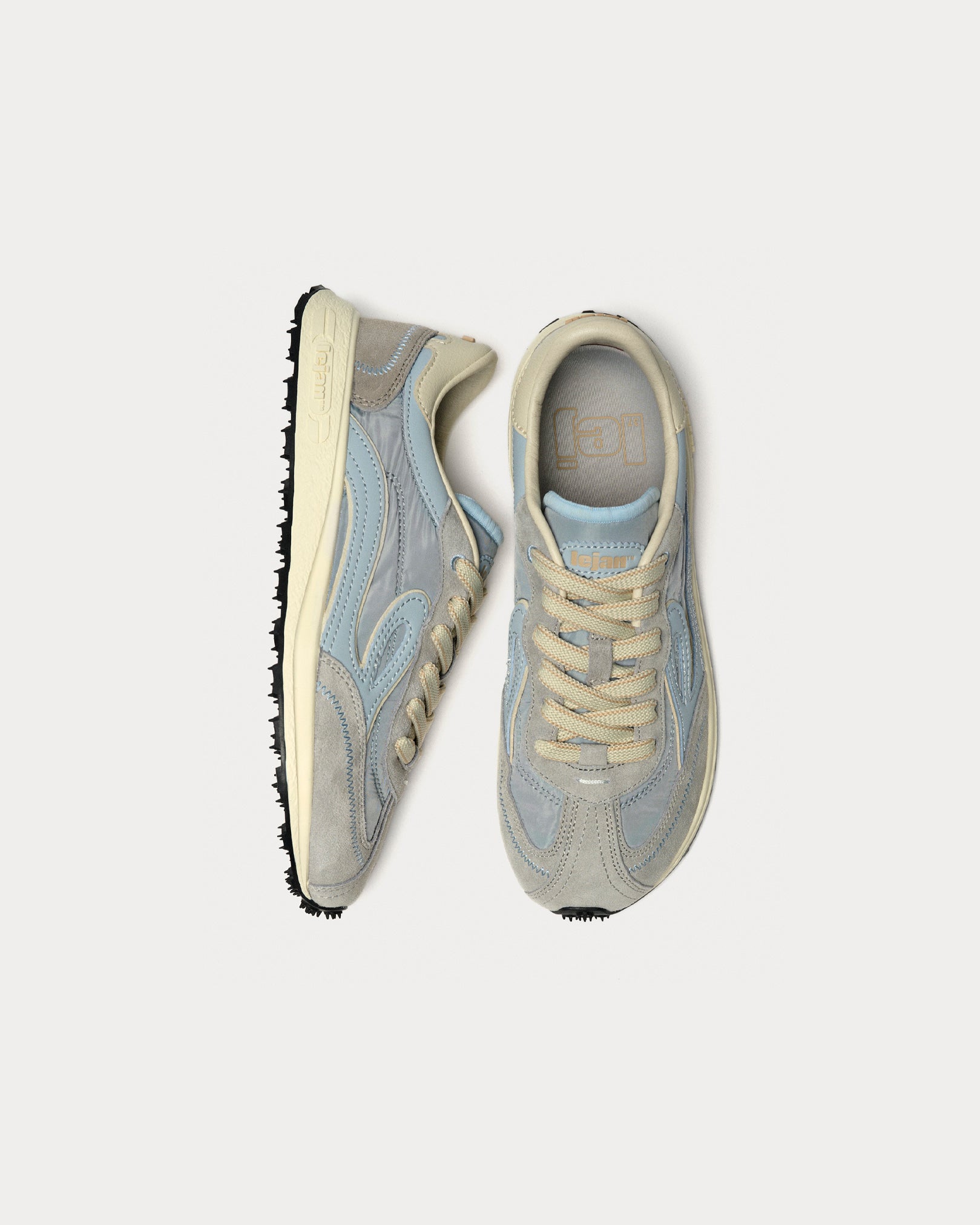
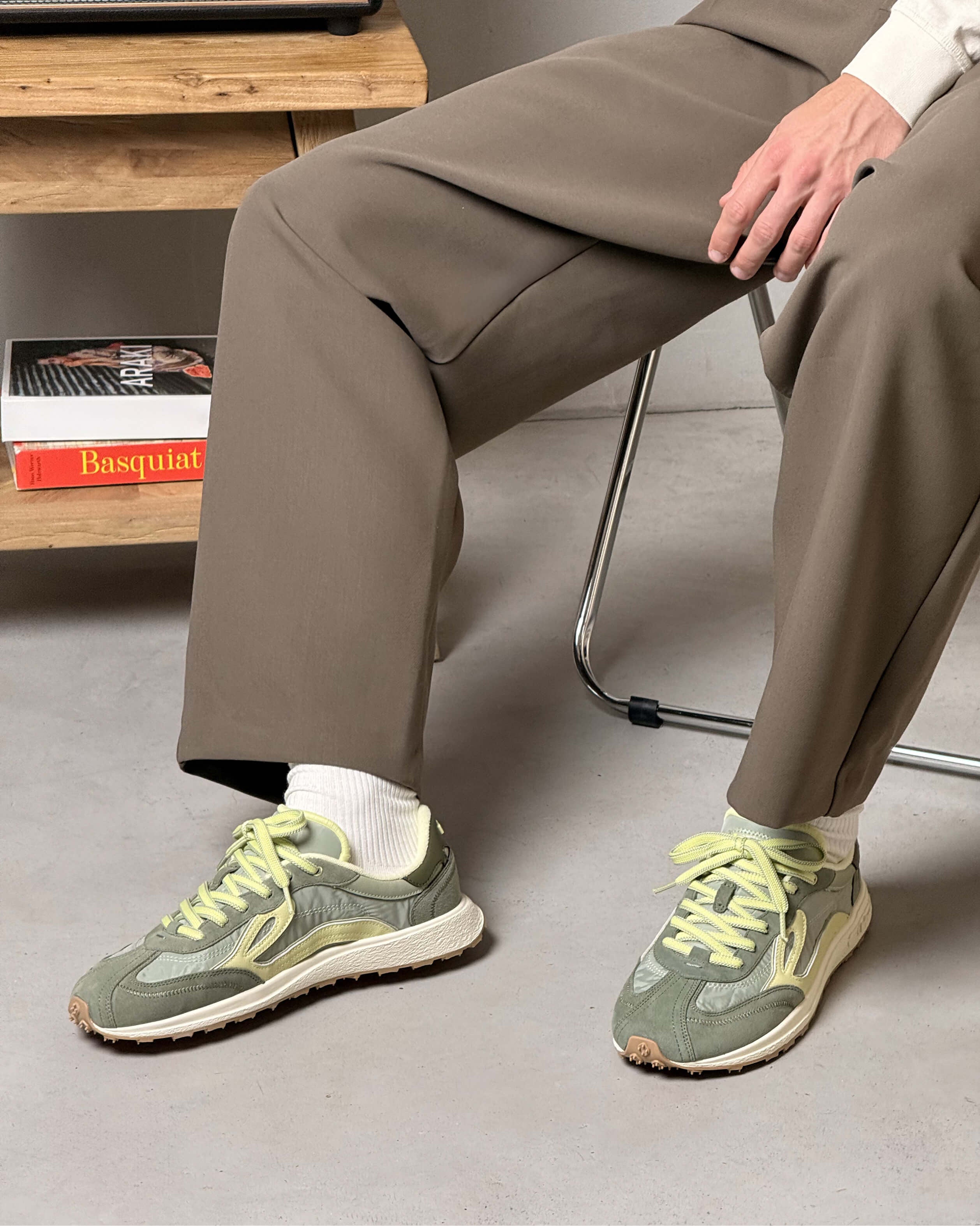
The importance of a wide, flexible toe box
The goal is clear: the toe should not be compressed.
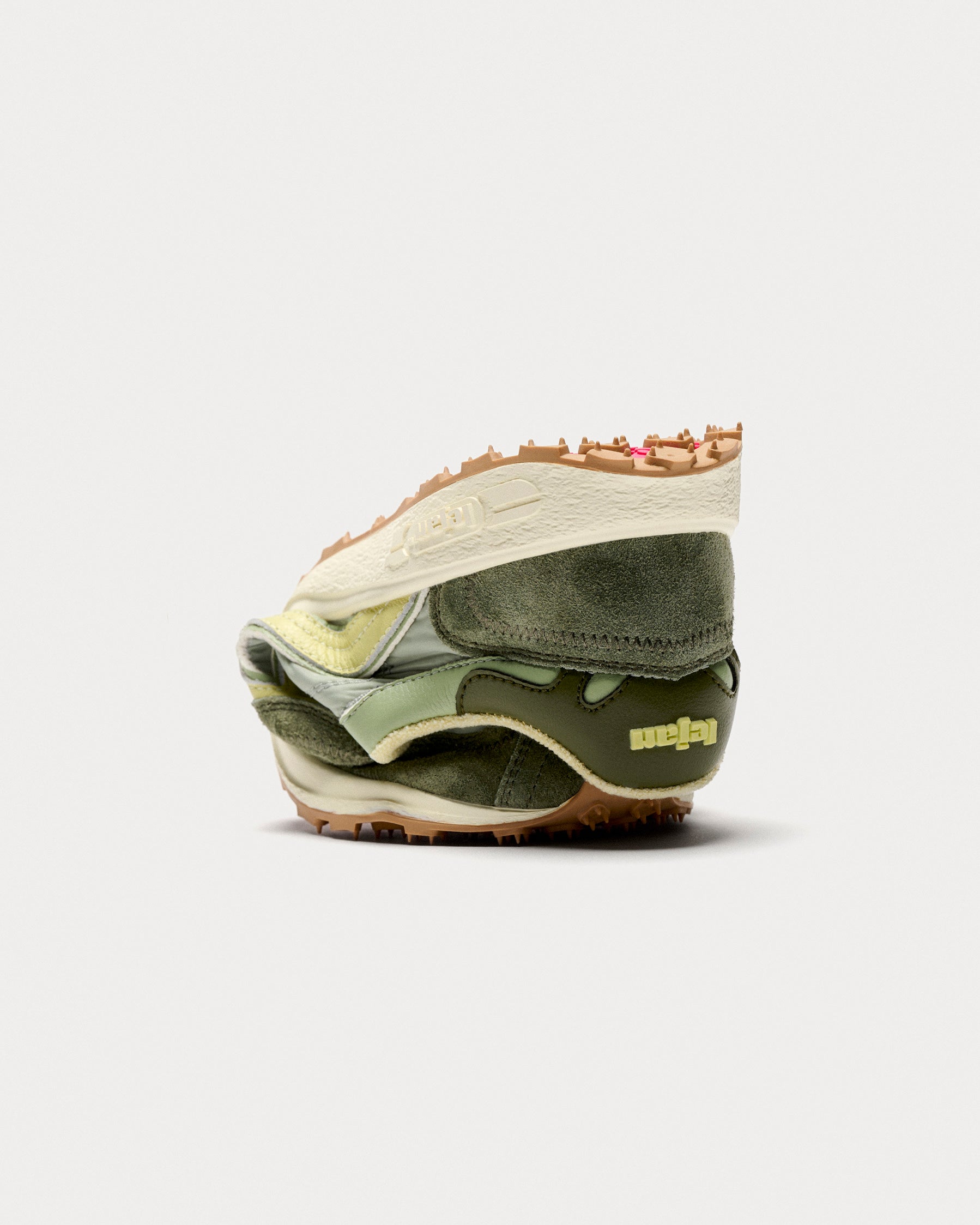
A wide toe box allows the toes to regain space. If the footwear is also flexible, it doesn’t block the foot’s natural movement.
Materials and fit that reduce pressure
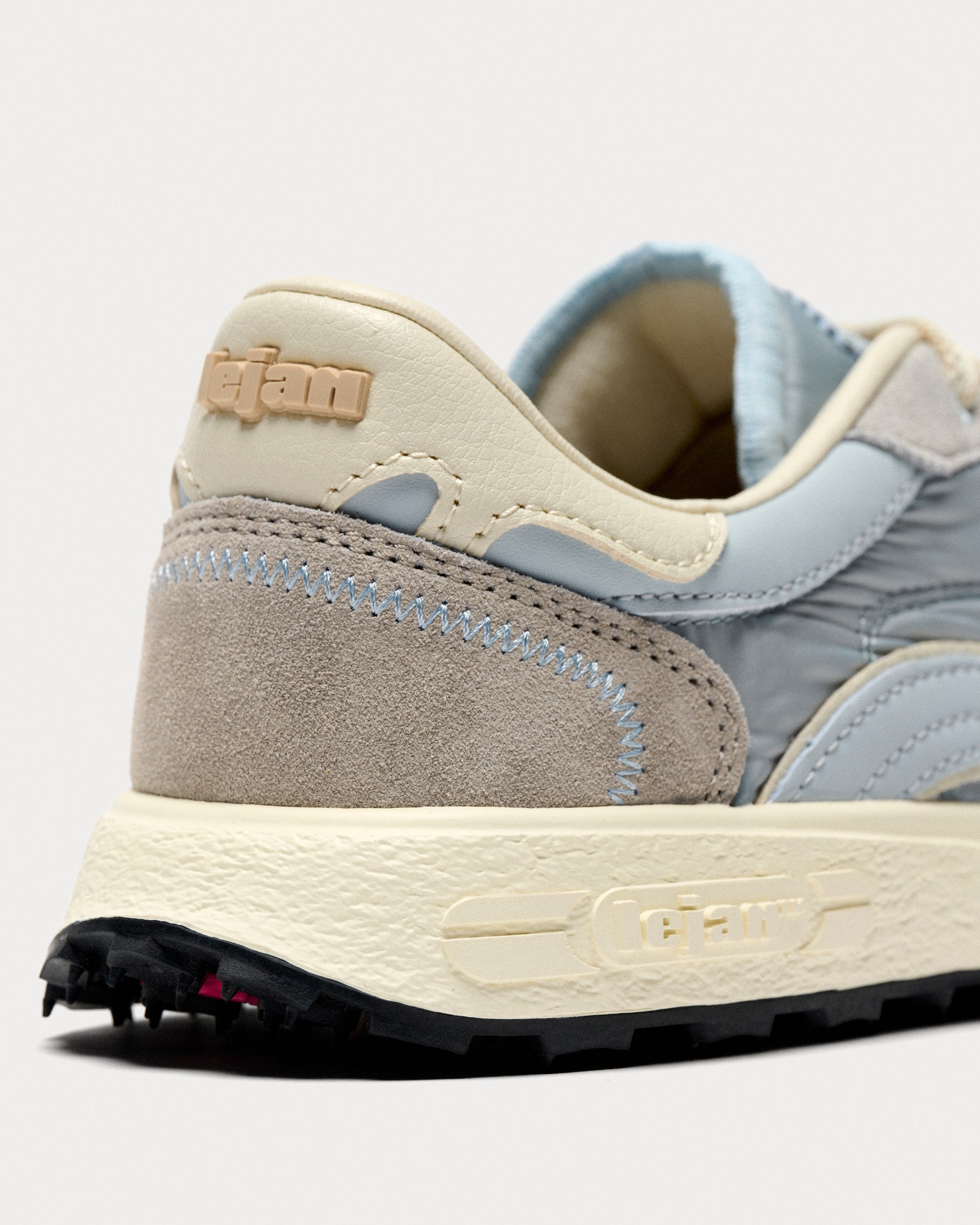
Soft, adaptable materials in the forefoot area help reduce friction. The fit should hold the foot without squeezing it.
What to avoid so the deformity doesn’t get worse
It’s best to avoid:
-
Narrow or pointed toe boxes
-
Rigid materials in the toe area
-
Footwear that pushes the toes upward or inward
When to see a specialist
Persistent pain or progressive worsening
If the pain doesn’t improve or the deformity progresses, it’s time to have the case assessed individually.
Limitation when walking or doing activities
When it affects your day-to-day, there’s no point waiting for it to get worse.
Professional assessment and diagnosis
A professional can determine:
-
Type of deformity
-
Degree (flexible or rigid)
-
Most suitable treatment options
Frequently asked questions about claw and hammer toes
Can they be corrected without surgery?
It depends on the stage. In early phases (when the toe is still flexible), function can be improved and progression slowed with exercises, footwear changes and load control. When the deformity is rigid, full correction without surgery is more limited.
Do they get worse over time?
They can, if the factors causing them are maintained, such as wearing narrow footwear or lack of mobility. They don’t always progress the same way in everyone.
Can claw toes cause pain in other areas of the foot?
Yes. By changing the way you bear weight, they can increase load on the forefoot, which may cause discomfort in the sole of the foot.
Test your knowledge
Answer the questions to check how much you know about this topic.
1. What is a common difference between hammer toe and claw toe?
2. What type of footwear can encourage the appearance of claw or hammer toes?
3. What symptom is common in these deformities?
4. Which feature can help reduce pressure on the toes?

Share